
Mammotion LUBA mini 2 AWD LiDAR Robot Mower Review: Premium Wire-Free Mowing for Complex Yards
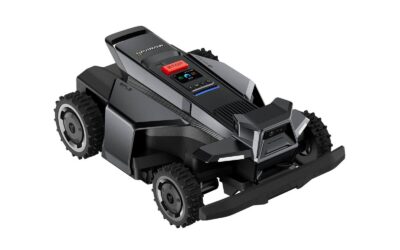
The Mammotion LUBA mini 2 AWD LiDAR Robot Mower is a premium wire-free robot mower aimed at small-to-medium residential lawns up to 0.37 acres, priced at $2,399, and currently rated 4.1 out of 5 stars from 16 reviews. It combines 360° LiDAR with dual-camera AI vision, all-wheel drive, 80% slope handling, and support for up to 20 mowing zones — a feature set few competitors match at this lawn size.

Mammotion LUBA mini 2 AWD 1500H Robot Lawn Mower
As an Amazon Associate we earn from qualifying purchases. Product prices and availability are accurate as of the date/time indicated.
Quick Verdict
Bottom line: The LUBA mini 2 AWD is one of the most capable compact robot mowers you can buy for challenging, multi-zone yards. The LiDAR + vision sensing stack, 80% slope climbing, dedicated edge-cutting disc, and wire-free setup with DropMow mode make it a genuine time-saver for complex terrain. The main caveats: it is expensive, the review count is still small (16 ratings), and 0.37 acres of coverage means larger lawns should look at the bigger LUBA 3 AWD models instead.
Buy it if you have a sloped, uneven, or multi-zone lawn and want true set-and-forget mowing without boundary wire. Skip it if your lawn is flat, simple, and under a quarter acre — a cheaper vision-only mower will do the job.
Already own a Mammotion mower? Our 2026 winterization guide walks you through proper off-season storage step by step.
Key Specs
| Specification | Mammotion LUBA mini 2 AWD |
|---|---|
| Coverage area | Up to 0.37 acres |
| Price | $2,399 |
| Customer rating | 4.1 / 5 (16 reviews) |
| Navigation | 360° LiDAR (45° FOV) + dual-camera AI vision |
| Drive system | AWD with 2 independently driven 88W motors |
| Max slope | 80% climbing ability |
| Obstacle clearance | Adaptive suspension, steps over objects up to 45 mm |
| Cutting system | Dual cutting discs, including dedicated edge-cutting disc |
| Cutting height | 2.2″ to 4.0″, app-controlled automatic adjustment |
| Mowing zones | Up to 20 independent zones |
| Per-charge capacity | 350 m² (~40% boost over previous generation) |
| Battery management | Custom charge limits + off-peak charging |
| Special mode | DropMow — temporary no-map mowing tasks |
How It Compares to Typical Alternatives
| Category | LUBA mini 2 AWD LiDAR | Typical Boundary-Wire Mower | Typical GPS-Only Wire-Free Mower |
|---|---|---|---|
| Setup | Wire-free, plus DropMow for temporary jobs | Requires boundary wire installation | Wire-free, but dependent on open-sky GPS |
| Obstacle sensing | LiDAR + dual-camera AI vision + bumper | Basic bump sensors | Camera or GPS-based, rarely redundant |
| Slope handling | Up to 80% | Commonly much lower on steep ground | Varies; often struggles on challenging terrain |
| Multi-zone mowing | Up to 20 zones | Supported, but heavy setup burden | Supported, reliability depends on mapping |
| Edge performance | Dedicated edge-cutting disc | Often weak at edges | Varies; many still miss borders |
| Battery management | Custom charge limit + off-peak scheduling | Basic charge scheduling | Scheduled charging, little tuning |
Where the LUBA mini 2 AWD Genuinely Strong
1. Redundant LiDAR + vision sensing should mean fewer interruptions
The headline feature is the combination of 360° LiDAR with a 45° field of view and dual-camera AI vision. According to the listing, this redundant sensing stack “greatly improves obstacle detection and stability” and enables “fewer stops” by detecting distant objects earlier for smoother path planning.
This matters more than most buyers realize. A robot mower is only as useful as its ability to avoid false stops, missed toys and hoses, and constant rescues. Redundant sensing — where two independent systems cross-check each other — is the approach autonomous vehicles use for exactly this reason. In daily use, that should translate to a mower that behaves like an appliance rather than a gadget you babysit.
2. 80% slope handling is a genuine differentiator
With 80% climbing ability, two independently driven 88W wheel motors, and adaptive suspension that steps over curbs, roots, and thresholds up to 45 mm, the mini 2 AWD targets yards that would stall or slip lesser mowers. Most wire-free competitors in this size class quote far more modest slope ratings, and boundary-wire models frequently lose traction or skip zones on irregular ground.
What this means for you: if your property has embankments, drainage swales, or uneven sections you currently dread mowing, this is one of the few compact machines rated to handle them autonomously.
3. Edge cutting and multi-zone flexibility
Edges are the classic weak point of robot mowers — most leave a strip of uncut grass along fences and walls. The mini 2 AWD includes a dedicated edge-cutting disc alongside its main disc, which should reduce or eliminate string-trimmer cleanup. Add up to 20 independent mowing zones and DropMow Mode (temporary no-map mowing for areas like a side yard you rarely mow), and the mower is clearly designed for real, messy properties rather than showcase rectangles.
4. Smarter battery ownership
Custom charge limits and off-peak charging sound like small features, but they extend battery lifespan and cut charging costs — useful for a mower that will cycle hundreds of times per season. The 350 m² per charge capacity, described as a 40% boost, also means fewer return trips to the dock on dense or tall grass.
Pros & Cons
Pros
- 360° LiDAR + dual-camera AI vision for redundant obstacle detection
- 80% slope climbing with AWD and independently driven 88W motors
- Dedicated edge-cutting disc reduces trimmer cleanup
- Up to 20 mowing zones plus DropMow for temporary tasks
- Fully wire-free setup — no boundary wire installation
- Adaptive suspension crosses obstacles up to 45 mm
- Custom charge limits and off-peak charging protect battery life
Cons
- Premium price at $2,399 for a 0.37-acre coverage limit
- Small review base (16 reviews, 4.1 stars) — long-term reliability is still unproven
- 4.1-star average suggests some early buyers hit friction
- Overkill (and poor value) for small, flat, simple lawns
- Advanced features carry a learning curve for app setup and mapping
Who Should Buy It?
The LUBA mini 2 AWD LiDAR makes sense for three buyer profiles:
- Sloped or uneven yards: if terrain defeats conventional robot mowers, the 80% climbing rating and AWD are the reason to pay up.
- Multi-zone properties: front yard, back yard, side strips, and around obstacles — 20 zones with wire-free mapping handles layouts boundary wire makes painful.
- Buyers who refuse boundary wire: rental properties, landscaped beds, and hardscaped edges make wire installation impractical; LiDAR navigation eliminates it entirely.
If your lawn is a simple flat rectangle under a quarter acre, you are paying for capability you will not use — a mid-range vision-only mower is the smarter spend. And if you need more than 0.37 acres covered, step up to the LUBA 3 AWD 5000, which shares the same design philosophy at a larger coverage class.
Frequently Asked Questions
Does the LUBA mini 2 need boundary wire or RTK antennas installed?
No. Navigation is handled by onboard 360° LiDAR and dual-camera AI vision, so there is no boundary wire to bury and no dependence on open-sky GPS. You map zones through the app, and DropMow Mode even allows temporary mowing tasks without creating a map at all.
How steep a slope can it actually mow?
Mammotion rates the mini 2 AWD at 80% climbing ability (roughly a 38.7° incline), driven by two independently powered 88W wheel motors and adaptive suspension. That is among the highest slope ratings in the compact robot mower class. Real-world grip still depends on grass condition — wet, slick slopes reduce any mower’s effective limit — but this is one of the few machines explicitly built for steep ground.
Will it cut right up to fences, walls, and edges?
It is designed to. The dual cutting disc setup includes a dedicated edge-cutting disc, which is Mammotion’s answer to the uncut strips most robot mowers leave along borders. You should still expect to check tricky corners occasionally, but routine string-trimmer cleanup along straight edges should drop significantly.
Is 0.37 acres enough coverage?
0.37 acres covers most urban and suburban lots’ actual turf — remember that figure refers to grass, not total property size. If your lawn area exceeds that, or you plan to expand into more zones later, the larger LUBA 3 AWD models are the better fit. Buying a mower at its coverage ceiling means longer overall mowing cycles per day.
Why is the rating only 4.1 stars with 16 reviews?
Two reasons. First, the product is new, so the sample size is small — a handful of early issues can move an average noticeably. Second, premium robot mowers typically see complaints about app setup, firmware updates, and connectivity rather than cutting performance. Watch how the rating trends as the review count grows before drawing long-term conclusions, and factor warranty support into a purchase this size.
Can it handle obstacles like garden hoses, toys, and pets?
The redundant LiDAR + dual-camera AI system is built to detect and avoid obstacles earlier than single-sensor mowers, and it carries a physical bumper as a final failsafe. As with any robot mower, best practice is still to clear the lawn of small items before scheduled runs — no vision system reliably catches every low-lying, soft object.
Planning year-round robot mower care? See our how to store robot lawn mower: 2026 winterization guide before the off-season.