

Introduction
The WORX Landroid M 20V Robotic Lawn Mower w/GPS WR143 is designed for homeowners who want to automate routine lawn care without stepping up to a premium, high-cost robotic mower. On paper, it promises a lot: autonomous mowing for lawns up to 1/4 acre, GPS-based theft tracking, app control, obstacle handling, rain awareness, and integration with WORX’s broader Power Share battery ecosystem. That combination makes it sound like a smart, modern solution for busy homeowners.
But the real question is not whether the feature list looks impressive — it is whether the product actually solves the problem it claims to solve. In other words: does this WORX Landroid M 20V GPS Robotic Lawn Mower for 1/4 Acre deliver dependable mowing convenience for everyday users, or is it a gadget that looks better in marketing copy than in a real yard?
The short answer is that this mower can absolutely be valuable for the right buyer, especially someone with a relatively simple yard and a willingness to spend time on setup and maintenance. However, it is not a “set it and forget it” miracle machine, and its value depends heavily on your lawn layout, expectations, and tolerance for robotic mower quirks. This review breaks down the strengths, weaknesses, customer feedback patterns, and the type of buyer who is most likely to be satisfied.
Product Overview
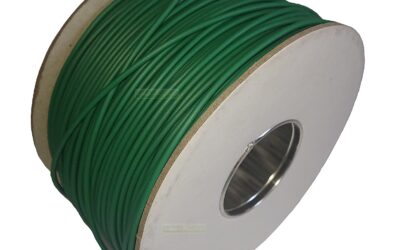
The WORX Landroid M 20V GPS Robotic Lawn Mower for 1/4 Acre is a robotic lawn mower built for lawns up to roughly 1/4 acre or 10,890 square feet. It uses a boundary wire system, which means installation requires placing wire around the mowing area so the mower knows where to stay. WORX also includes app-based control, automatic scheduling, and the company’s “Find My Landroid” GPS cellular module with this model.
Marketing highlights include:
- Fully automated mowing for medium-sized lawns
- GPS theft tracking through the included module
- Power Share battery compatibility with other WORX tools
- App control for monitoring and scheduling
- Obstacle handling using WORX’s AIA navigation technology
- Rain sensor that sends the mower back to charge during wet conditions
- Cut-to-edge design aimed at reducing trim work
Those are useful features, but they should be understood in practical terms. Robotic mowers are not autonomous in the same way a robot vacuum is. You still need to set up boundaries, inspect the yard for trouble spots, and occasionally intervene. The real value of the WORX Landroid M 20V GPS Robotic Lawn Mower for 1/4 Acre is convenience over time, not total elimination of lawn care responsibility.
With a price of around 1,065, this model sits in a competitive but not ultra-premium segment. That pricing makes sense if you value automation and already own or plan to buy WORX Power Share tools. If you only want a mower that cuts grass cheaply and reliably with minimal effort, a traditional mower may still be the better deal.
Pros
-
1. Genuine time savings for routine maintenance
The biggest advantage of the WORX Landroid M 20V GPS Robotic Lawn Mower for 1/4 Acre is simple: it can reduce how often you need to physically mow. For lawns that are relatively even and clearly defined, the mower can keep grass trimmed on a regular schedule, which helps avoid the “overgrown weekend chore” problem.
-
2. Included GPS theft protection adds peace of mind
The included “Find My Landroid” GPS cellular module is a meaningful bonus, especially because robotic mowers are portable and potentially attractive to thieves. While this does not make the mower theft-proof, it does give owners a better chance of locating it if it is removed from the property.
-
3. Compatible with WORX Power Share batteries
If you already use WORX tools, this is one of the most practical selling points. Battery compatibility across multiple tools can reduce clutter and simplify charging. Even for new buyers, the Power Share ecosystem can be attractive if you want to build around one battery platform.
-
4. App control improves convenience
The app lets you check mowing status, start or stop the mower, and receive software updates. That does not sound revolutionary, but it is useful. Being able to monitor the mower remotely is a real benefit, especially if you want to adjust schedules based on weather or your own routine.
-
5. Handles narrow passages better than many basic robotic mowers
WORX’s AIA navigation is designed to manage tighter pathways and more complex layouts. For yards with side yards, narrow connections, or irregular sections, this can make a noticeable difference compared with cheaper robotic mowers that struggle with routing.
-
6. Rain sensor adds sensible automation
The rain sensor is a practical inclusion rather than a gimmick. Wet grass can clog mowers and create an uneven cut, so having the mower return to the charger during rain helps protect the machine and preserve lawn quality.
-
7. Less trimming around edges than some competitors
The offset cutting disc aims to get closer to edges, which can reduce how much hand trimming you need afterward. It will not eliminate trimming completely, but it may reduce the time spent finishing the lawn with a string trimmer.
Cons
-
1. Boundary wire setup is still time-consuming
One of the biggest limitations of the WORX Landroid M 20V GPS Robotic Lawn Mower for 1/4 Acre is that it is not wire-free. You still need to install a boundary wire, and that setup can be tedious depending on your yard shape, landscaping, and obstacles. For some buyers, this is the biggest barrier to entry.
-
2. Complex yards may reduce the “easy” factor
Robotic mower marketing often implies a hands-off experience, but yards with steep slopes, many obstacles, tight transitions, or separate mowing zones can require extra planning. If your lawn has a lot of complexity, expect more setup and more fine-tuning.
-
3. The price is not low for a mid-tier mower
At around 1,065, this product is not an impulse purchase. That cost may be justified if you truly want automation and value the GPS module, but it is still a major investment compared with a conventional push mower or even many self-propelled models.
-
4. “Fully automated” is a marketing oversimplification
This is where the hype needs to be stripped away. The mower may run on its own, but you are still responsible for setup, maintenance, blade changes, wire management, cleaning, and occasional troubleshooting. It automates mowing, not lawn ownership.
-
5. Customer satisfaction appears mixed
A 3.8-star rating suggests solid but uneven performance. That usually means some customers love the convenience while others run into problems with connectivity, navigation, installation, or expectations. This is not a universally loved product.
Customer Reviews Analysis
The customer response pattern for the WORX Landroid M 20V GPS Robotic Lawn Mower for 1/4 Acre appears to be a classic mix of enthusiasm and frustration. The average rating of 3.8 out of 5 stars across 388 reviews suggests that the mower has a meaningful fan base, but it also falls short of being a near-universal winner.
Positive reviews tend to focus on convenience. Many buyers appreciate that the mower keeps grass under control without requiring them to spend weekend time pushing a mower around. Customers who have straightforward lawns — especially medium-sized, mostly open yards — are more likely to describe the experience as worthwhile. The app features, GPS module, and battery ecosystem also appear to be appreciated by people who already use WORX tools or like connected home products.
At the same time, critical reviews typically revolve around setup complexity, navigation limitations, and the reality gap between marketing promises and day-to-day use. Robotic mowers can be sensitive to yard layout, and customers with slopes, obstacles, or uneven terrain are more likely to report inconsistency. Some buyers likely expected a more effortless experience than the product can deliver. That is an important warning sign for anyone reading the product page too literally.
The review score suggests that this mower is good for the right user, not great for everyone. In practical terms, that means buyers with a simple, defined lawn are the most likely to enjoy it, while buyers with complicated terrain or perfectionist expectations may feel underwhelmed. This is a product where fit matters more than brand hype.
One more thing stands out: the included GPS theft module adds a premium feel, but customers may care more about consistent mowing performance than about tracking features. A flashy feature only matters if the core task — mowing the lawn well — is handled reliably. That is the standard this product still has to meet.
Frequently Asked Questions
1. How big of a lawn can the WORX Landroid M 20V GPS Robotic Lawn Mower for 1/4 Acre handle?
The mower is designed for lawns up to 1/4 acre or about 10,890 square feet. That makes it suitable for many suburban yards, but results will depend on layout, obstacles, and terrain complexity.
2. Does it need a boundary wire?
Yes. The mower uses a boundary wire system, which means installation requires laying out wire around the mowing area. This is important to understand before buying, because wire installation is one of the more time-consuming parts of ownership.
3. Can it work on slopes?
According to the product description, the mower can handle slopes up to 20°. That may be enough for mild grading, but steeper or uneven yards may still pose problems depending on traction and layout.
4. Is the GPS tracking included?
Yes, this model includes the Find My Landroid GPS cellular module, which is a notable value addition. It is intended to help locate the mower if it is removed from your property.
5. Is this mower suitable for complicated lawns?
It can work on moderately complex lawns, especially with narrow passages, but very intricate layouts may require more setup and monitoring. If your yard has many obstacles, disconnected areas, or difficult transitions, you should expect a more involved experience.
Who Should Buy This Product
The WORX Landroid M 20V GPS Robotic Lawn Mower for 1/4 Acre is best for homeowners who want to reduce routine mowing work and are comfortable investing time in setup. It is a strong fit for:
- Busy homeowners who want a more automated lawn care routine
- WORX Power Share users who already own compatible batteries or tools
- Medium-yard owners with lawns close to the 1/4-acre range
- Tech-friendly buyers who do not mind app-based management
- People with relatively simple lawn layouts and clear boundaries
This is not the ideal choice for buyers who want the cheapest possible mowing solution, or for those expecting a robotic mower to work perfectly with zero maintenance. If your yard is highly complex, very steep, or constantly changing, you may find the product more frustrating than helpful.
In other words, the right buyer is someone who values convenience, automation, and ecosystem compatibility more than absolute simplicity or the lowest purchase price.
Final Verdict
The WORX Landroid M 20V GPS Robotic Lawn Mower for 1/4 Acre is a smart, useful robotic mower that offers real convenience — but only if your lawn and expectations match what it is built to do. Its strengths are clear: automated mowing, included GPS theft tracking, app control, battery ecosystem compatibility, and better-than-basic navigation features. Those are legitimate benefits, not just marketing fluff.
However, the hype needs to be kept in check. “Fully automated” does not mean effortless, and “works up to 1/4 acre” does not guarantee a smooth experience in every yard. Boundary wire installation, occasional troubleshooting, and yard-specific limitations are part of the ownership experience. That is the tradeoff you make for robotic convenience at this price point.
Overall, this is a good buy for the right homeowner — especially someone with a modestly sized, fairly straightforward lawn who wants to save time and already values the WORX platform. If that sounds like you, the WORX Landroid M 20V GPS Robotic Lawn Mower for 1/4 Acre can be a genuinely useful purchase. If you want the simplest path to mowing with the least setup and the lowest cost, a traditional mower may still be the better choice.
Bottom line: the WORX Landroid M 20V GPS Robotic Lawn Mower for 1/4 Acre delivers real value, but it is best seen as a convenience upgrade rather than a flawless autonomous lawn-care replacement.