
Are Lawn Mowers Diesel or Petrol? Direct Answer
Most domestic lawn mowers use petrol, while some small models use electricity or batteries. Diesel lawn mowers do exist, but they are usually large ride-on or commercial machines designed for extensive grounds. Checking the fuel cap, engine label, and owner’s manual prevents expensive damage caused by using the wrong fuel.
Expert Summary>
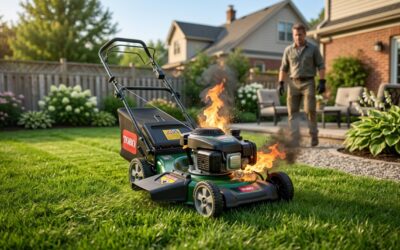
– Most walk-behind, self-propelled, and residential ride-on lawn mowers with combustion engines use unleaded petrol, not diesel. – Diesel engines are mainly found in commercial ride-on mowers, front mowers, and compact tractors used on large properties. – Never choose fuel based only on the mower’s size or appearance; verify it using the fuel label, engine identification plate, or owner’s manual. – Putting diesel in a petrol mower—or petrol in a diesel mower—can stop the engine and damage its fuel system. – If the wrong fuel has been added, do not start the mower. Drain and flush the system or ask a qualified technician to do it.
Step 1: Understand Whether Lawn Mowers Are Diesel or Petrol
Identify the mower category first. Most household lawn mowers are petrol-powered if they have an internal combustion engine, while diesel is more common in heavy-duty professional equipment.
An internal combustion engine burns fuel inside the engine to create power. It works much like the engine in a conventional car, although a mower engine is usually smaller and simpler.
Are lawn mowers petrol or diesel in normal household use?
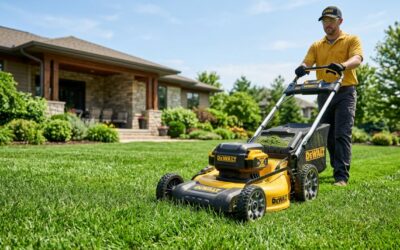
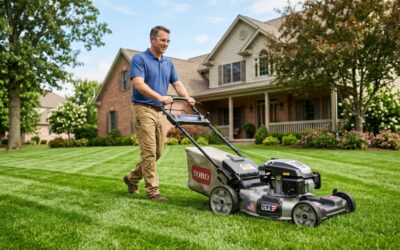
Most fuel-powered domestic lawn mowers take unleaded petrol. This includes many:
- Walk-behind rotary mowers
- Self-propelled lawn mowers
- Residential ride-on mowers
- Zero-turn mowers intended for homeowners
- Older cylinder or reel mowers with small engines
Diesel is uncommon in ordinary walk-behind models because a diesel engine is generally heavier, more expensive, and more complex than a small petrol engine.
Are there diesel lawn mowers?
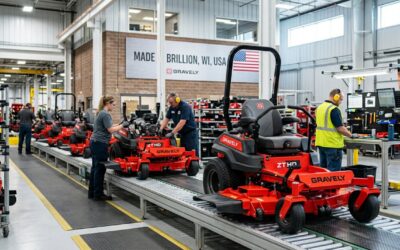
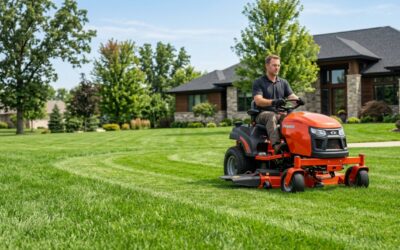
Yes, there are diesel lawn mowers. They are normally built for commercial landscaping, estates, sports grounds, parks, farms, golf courses, and other sites where a machine may operate for several hours each day.
Common diesel-powered machines include:
- Commercial front mowers
- Large zero-turn mowers
- Professional ride-on rotary mowers
- Compact tractors fitted with mowing decks
- Wide-area mowers
- Some high-end garden tractors
A mowing deck is the metal housing underneath or beside the machine that contains the cutting blades. On large commercial equipment, the deck may be wider than an entire domestic walk-behind mower.
Step 2: Check What Fuel Your Lawn Mower Takes
Inspect the machine before buying or adding fuel. The safest answer to “do lawn mowers take petrol or diesel?” must come from the specific mower’s manufacturer, not from its colour, size, or brand.
You do not need mechanical experience to perform these checks. In most cases, the correct information is printed directly on the mower or listed clearly in its manual.
Tools and information needed
| Item | Why you need it | Where to find it |
|---|---|---|
| Owner’s manual | States the approved fuel type and grade | Supplied with the mower or available on the manufacturer’s website |
| Model number | Identifies the exact mower specification | Frame, deck, seat base, or rating plate |
| Engine model number | Confirms the engine’s fuel requirements | Engine casing or identification label |
| Clean cloth | Helps reveal a dirty fuel label or cap marking | Any lint-free workshop cloth |
| Phone camera | Records labels before you visit a fuel station or dealer | Photograph the fuel cap and model plate |
| Approved fuel container | Stores and transports fuel safely | Hardware, garden machinery, or automotive retailer |
Check the fuel cap
Look for wording or symbols on or near the fuel cap. A petrol mower may display:
- Petrol
- Gasoline
- Unleaded fuel
- A specified minimum octane rating
- A crossed-out diesel symbol
A diesel mower may display:
- Diesel
- Diesel fuel only
- A diesel fuel-pump symbol
- A warning against using gasoline or petrol
An octane rating describes petrol’s resistance to uncontrolled burning inside an engine. Think of it as a compatibility grade: use the minimum grade specified by the manufacturer rather than assuming a higher number is always necessary.
Read the engine label
If the cap is unmarked, inspect the engine housing. The label often includes the manufacturer, model, displacement, and fuel requirements.
Engine displacement is the total internal space swept by the engine’s pistons, normally shown in cubic centimetres or litres. It indicates engine size, but it does not reliably tell you whether the engine uses petrol or diesel.
Record the full engine number rather than relying only on the mower’s model number. A mower manufacturer may use engines from another company, and similar mower models can have different engines.
Consult the owner’s manual
The manual is the most reliable source because it explains:
- Correct fuel type
- Minimum fuel grade
- Whether ethanol-blended petrol is permitted
- Fuel storage recommendations
- Engine oil specification
- Starting and refuelling procedures
Fuel and engine oil are not the same thing. Fuel is burned to create power, while engine oil circulates inside the engine to reduce friction and heat.
Search by the exact model number
If the manual is missing, search the manufacturer’s official website using the full mower and engine model numbers. Add the phrase “operator’s manual” rather than depending on forum guesses or second-hand sales listings.
Be careful with used mowers. A previous owner may have replaced the fuel cap, engine, or labels, so the cap alone may no longer be conclusive.
Step 3: Tell a Petrol Mower from a Diesel Mower
Use several clues together rather than relying on one feature. A diesel mower is usually larger and heavier, but appearance alone cannot confirm its fuel type.
The following comparison provides a practical starting point.
| Feature | Petrol lawn mower | Diesel lawn mower |
|---|---|---|
| Typical use | Home lawns and light professional work | Commercial, municipal, agricultural, or estate work |
| Common mower size | Small to medium | Medium to very large |
| Engine weight | Generally lighter | Generally heavier |
| Purchase price | Usually lower | Usually higher |