
Best Ways to Get Rid of Lawn Mowers in 2026: Top Options Ranked
Getting rid of a lawn mower — whether it runs or not — is easier than most people think. The best overall method is donating or selling a working mower, while recycling or scrap metal disposal is the top choice for broken or non-functional units.
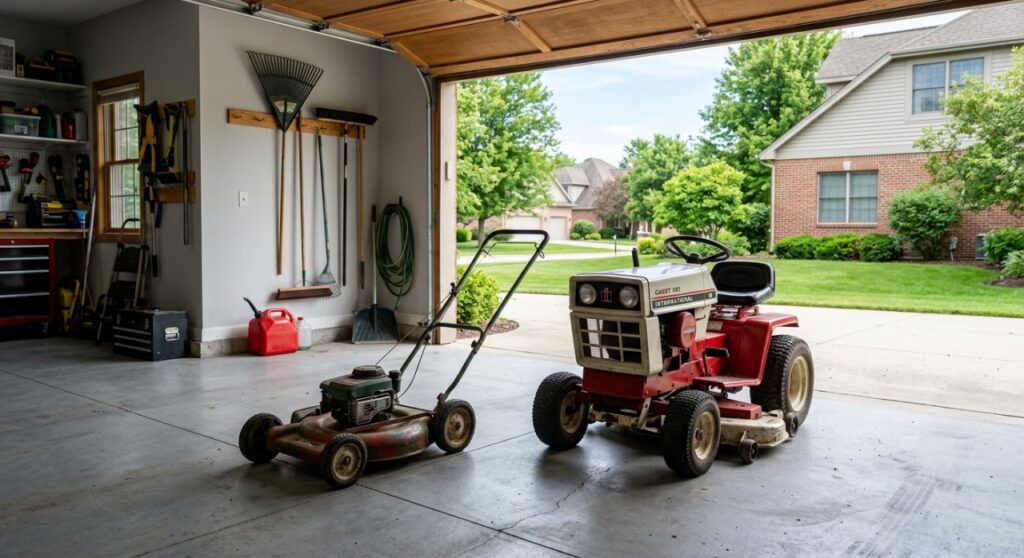
This guide ranks every practical option by cost, effort, environmental impact, and speed — so you can act today.
Quick Answer: Top Pick for Getting Rid of a Lawn Mower
Best Overall: Selling on Facebook Marketplace or Craigslist gets you cash fast with zero cost.
Best for Broken Mowers: Metal recycling or scrap yards accept old broken lawn mowers and may even pay you.
Best Free Option: Curbside bulk trash pickup — check your local municipality schedule.
Best Eco-Friendly: Donate to Habitat for Humanity ReStores or local nonprofits.
Best for Monroeville, PA Residents: Allegheny County’s bulky waste program or local scrap yards on Route 22.
Comparison Table: How to Get Rid of Old Lawn Mowers
| Method | Cost to You | Effort Level | Works for Broken? | Speed | Best For |
|---|---|---|---|---|---|
| Sell on Facebook Marketplace | $0 | Low | Sometimes1–3 days | Working mowers | |
| Donate to Habitat ReStore | $0 | Low | No | Same day | Running mowers |
| Scrap Metal / Recycling | $0–$10 haul fee | Medium✅ Yes | Same day | Broken/dead mowers | |
| Curbside Bulk Trash | $0–$30 | Very Low | ✅ Yes | 1–2 weeks | All types |
| Junk Removal Service | $50–$150 | Very Low | ✅ Yes | Same day | Convenience-first |
| Equipment Dealer Trade-In | $0 | Low | Sometimes | Same day | Upgrading buyers |
| Frecycle / Nextdoor | $0 | Low | Sometimes1–5 days | Non-urgent disposal | |
| Local Repair Shop Donation | $0 | Low | ✅ Yes | 1–2 days | Mowers neding work |
| Municipal Hazardous Waste | $0 | Medium | ✅ Yes | Scheduled | Gas/oil disposal |
| Retailer Recycling Program | $0 | Low | ✅ Yes | Same day | New mower buyers |
Sell It on Facebook Marketplace or Craigslist
Best For: Anyone with a working mower who wants cash fast.
This is the fastest way to profit from an old mower. Working riding mowers sell for $100–$800 on Facebook Marketplace depending on brand and condition. Push mowers typically fetch $20–$150.
Pros:
- Free to list, zero platform fees on local pickup
- Fast turnaround — most mowers sell within 72 hours
- You set the price and negotiate directly
Cons:
- Requires photos, listing effort, and meeting strangers
- Won’t work well for broken or non-starting units
- No-shows and lowball offers are common
Main Trade-Off: Highest potential return, but demands your time and patience.
What this means for you is if your mower starts and cuts, posting it online for $75–$200 is almost always worth the15minutes it takes to create a listing.
Verdict: The #1 method for anyone with a functional mower. If it runs, list it first — you’ll almost certainly get a buyer within a week. Skip this option if the mower is rusted out or won’t start.
Donate to Habitat for Humanity ReStore
Best For: Working mowers you want gone quickly without the hassle of selling.
Habitat for Humanity ReStores accept lawn equipment in working condition and resell it to fund affordable housing projects. Many locations offer free pickup for riding mowers.
Pros:
- Tax-deductible donation (get a receipt)
- Free pickup available at many locations
- Supports a well-known charitable cause
- Removes the hassle of dealing with buyers
Cons:
- Mower must be in working condition
- Not all ReStore locations accept outdoor power equipment
- You lose any potential resale value
Main Trade-Off: You trade cash for convenience and a tax write-off.
What this means for you is if you’re in a higher tax bracket, a documented donation of a mower valued at $150–$400 can generate a meaningful deduction at tax time.
Verdict: Ideal for homeowners who value simplicity and social impact over profit. Call your local ReStore first to confirm they accept mowers — policies vary by location.
Scrap Metal Yard or Recycling Center
Best For: Getting rid of old broken lawn mowers that no longer run.
This is the top-rated method for how to get rid of old broken lawn mowers. Scrap yards pay by the pound for steel, aluminum, and copper. A typical push mower weighs 30–70 lbs; a riding mower weighs 300–600 lbs.
Current scrap steel rates: approximately $0.05–$0.12 per pound (varies by region and market).
Pros:
- Pays cash for metal — even completely dead machines
- Environmentally responsible — metals are recycled
- No need to repair or clean the mower
- Fast and simple drop-off process
Cons:
- Low payout — expect $5–$25 for a push mower
- You may need to drain gas and oil first
- Requires transportation to the yard
Main Trade-Off: Low financial return, but it’s one of the only options that works for truly dead mowers.
What this means for you is a broken riding mower can yield $30–$80 in scrap value just from its steel frame — not much, but it beats paying for disposal.
Verdict: The best practical option for how to get rid of old broken lawn mowers. Anyone with a non-running machine should make this their first call. Not worth it if you have a working mower worth $200+.
Schedule a Curbside Bulk Item Pickup
Best For: Homeowners who want zero effort and don’t care about getting paid.
Most municipalities offer bulk or oversized item pickup once or twice per year — some on request. This method requires zero transportation on your part.
Pros:
- Completely hands-off — leave it at the curb
- Usually free or very low cost ($0–$30 depending on city)
- Accepts broken and non-working mowers
- No scheduling hassles beyond a phone call
Cons:
- May have a long wait time (days to weeks)
- Pickup schedules vary significantly by municipality
- Some cities don’t accept items with fuel still inside
Main Trade-Off: Maximum convenience, minimum speed.
What this means for you is if you’re not in a rush, this is the lowest-effort disposal method available — just check your city’s website or call the public works department.
Verdict: Perfect for non-urgent disposal with no budget and no vehicle. Just confirm your city accepts lawn equipment and drain any remaining fuel first. Not ideal if you need the mower gone immediately.
Hire a Junk Removal Service (e.g., 1-800-GOT-JUNK)
Best For: Anyone who wants same-day removal with zero physical effort.
1-800-GOT-JUNK, Junk King, and local haulers will remove a lawn mower from your garage or backyard with no work required. Typical cost: $50–$150 for a single item.
Pros:
- Same-day or next-day availability
- They handle all heavy lifting and transportation
- No need to drain fluids yourself (some services handle it)
- Works for all mower types and conditions
Cons:
- Most expensive disposal option
- Pricing is not always transparent upfront
- Overkill for a single mower unless combined with other junk
Main Trade-Off: You pay a premium for pure convenience.
What this means for you is if you’re doing a full garage cleanout anyway, adding a mower to a junk removal haul often costs little to nothing extra.
Verdict: Best for time-poor homeowners, elderly residents, or anyone clearing out multiple large items at once. Avoid if you’re disposing of just one mower and cost is a concern.
Trade It In at a Lawn Equipment Dealer
Best For: Homeowners actively shopping for a new mower.
Many John Deere, Husqvarna, and STIHL dealers accept old equipment as trade-ins when you purchase a new unit. Trade-in value typically ranges from $50–$300 depending on the machine’s condition and brand.
Pros:
- Offsets the cost of a new purchase
- No separate trip required — one-stop transaction
- Dealer handles disposal or refurbishment
- Can apply to both working and some non-working machines
Cons:
- Only useful if you’re buying a replacement
- Trade-in values are often lower than private sale
- Dealer discretion varies widely
Main Trade-Off: Convenient if you’re upgrading, but you’ll leave money on the table versus a private sale.
What this means for you is trading in a working mower worth $300on the private market might only net you $100 at dealer — but it saves two separate transactions.
Verdict: Smart move if you’re already buying new. Not recommended as a standalone disposal strategy since you’ll almost always get more from a private sale or donation tax deduction.
Post on Freecycle, Nextdoor, or Buy Nothing Groups
Best For: People who want free, easy disposal and don’t need cash.
Freecycle and Facebook’s “Buy Nothing” groups connect neighbors looking to give and receive items for free. Broken mowers are commonly claimed by tinkerers and small engine repair hobyists.
Pros:
- Completely free — no fees, no transaction needed
- Broken mowers are often accepted by DIY enthusiasts
- Keeps the mower out of landfill
- Minimal effort — one post is all it takes
Cons:
- No financial return
- Pickup coordination can be slow or unreliable
- Not available in all neighborhoods or rural areas
Main Trade-Off: Eco-friendly and simple, but requires patience and reliable neighbors.
What this means for you is posting “free broken mower — needs repair” in a local Buy Nothing group often attracts a taker within 24–48 hours, no questions asked.
Verdict: Underated option for broken mowers. Ideal for eco-conscious homeowners in suburban or urban areas. Skip if you’re in a rural area with low platform activity.
Donate to a Local Small Engine Repair Shop or Vocational School
Best For: Broken mowers with repairable potential.
Many vocational schools, community colleges, and independent repair shops use broken small-engine equipment as training material. A non-running mower can have real educational value.
Pros:
- Gives your old mower a second life
- Supports local education and skills training
- Free and easy — they often arrange pickup
- Works for non-running machines
Cons:
- Requires a few calls to find a willing recipient
- Not all schools or shops have the capacity
- No financial return
Main Trade-Off: Socially valuable but requires light legwork to find the right recipient.
What this means for you is a single call to a local auto/small-engine vocational program can result in same-week free pickup of a mower that’s otherwise hard to dispose of.
Verdict: An underused gem. Best for mowers that are broken but structurally intact. Anyone with a seized engine or broken deck should call their nearest vocational school before hauling it to the scrap yard.
Municipal Hazardous Waste Disposal Event
Best For: Safely disposing of mowers with fuel, oil, or battery concerns.
Most counties host household hazardous waste (HHW) collection events seasonally. These events are specifically designed to handle items with gas, oil, and battery components — which can’t legally go in standard trash.
Pros:
- Legally and environmentally correct disposal
- Free at most municipal events
- Handles all hazardous fluids safely
- Accepted regardless of mower condition
Cons:
- Events are infrequent — often quarterly or annually
- Transportation required
- Not designed primarily for large metal equipment
Main Trade-Off: The most responsible disposal path, but requires planning around the event schedule.
What this means for you is if your mower still has fuel in the tank, this is the legally safest way to dispose of it — pouring gas down a drain or into trash is an environmental violation in most states.
Verdict: Essential knowledge for anyone with a gas-powered mower. Use this as a companion step to other methods — drain and dispose of fluids here, then handle the metal separately.
Retailer Recycling Programs (Home Depot, Lowe’s, Battery/Equipment Partners)
Best For: Electric or battery-powered mower owners shopping at major retailers.
Home Depot and Lowe’s participate in battery and small electronics recycling programs through partners like Call2Recycle. Some locations accept old lawn equipment as part of seasonal trade-in promotions.
Pros:
- Convenient — drop off while doing regular shopping
- Handles battery disposal responsibly
- Occasional trade-in credits available during promotions
- Free in most cases
Cons:
- Programs vary significantly by store location
- Gas-powered mowers are generally not accepted
- Promotions are seasonal and unpredictable
Main Trade-Off: Great for electric mower owners, limited value for gas mower disposal.
What this means for you is if you own a cordless electric mower with a lithium-ion battery, improper battery disposal is illegal in many states — retailer programs are your cleanest option.
Verdict: Best specifically for battery-powered mower owners. Gas mower owners should skip this and choose from options1–6 instead.
How to Remove Old Lawn Mowers in Monroeville, PA: Local Guide
Residents asking how to remove old lawn mowers in Monroeville, PA have several solid local options.
Top Local Options for Monroeville, PA:
- Allegheny County Bulky Waste Program: Schedule a pickup via the Allegheny County DPW website. Free for residents; typically includes lawn equipment.
- Penn Yan Scrap Metal (Pittsburgh area): Accepts riding and push mowers; pays current scrap rates.
- Habitat for Humanity ReStore – Monroeville: Located on William Penn Highway; call ahead to confirm mower acceptance.
- Monroeville Municipal Services: Contact the Public Works Department at Borough Hall for scheduled bulk item pickup dates.
- Local Facebook Marketplace: The Pittsburgh/Monroeville area has active local selling groups — working mowers move fast.
Tip: Allegheny County residents can also use the county’s recycling hotline to find the nearest drop-off point for lawn equipment.
Practical Buying Guide: How to Choose the Right Disposal Method
Step 1 — Assess Mower Condition
- Runs and cuts properly: Sell it or donate it. You have the most options.
- Runs but needs work: List it as-is for less money, or donate to a repair shop/school.
- Completely broken/won’t start: Scrap yard, junk removal, or bulky trash are your best paths.
Step 2 — Decide on Your Priority
| Priority | Best Method |
|---|---|
| Maximum cash return | Facebook Marketplace / Craigslist |
| Zero effort | Junk removal or bulk curbside pickup |
| Environmental responsibility | Scrap recycling + HW event for fluids |
| Tax benefit | Habitat for Humanity ReStore donation |
| Speed (same day) | Scrap yard or junk removal service |
Step 3 — Handle Fuel and Oil First
Never skip this step. Before any disposal method:
- Run the mower until tank is empty, or
- Use a hand pump to remove remaining gasoline into an approved container
- Change or drain the oil into a sealed container
- Bring fluids to a municipal HW event or auto parts store (AutoZone and O’Reilly both accept used oil for free)
Step 4 — Remove the Battery (If Applicable)
Electric mowers with lithium-ion or lead-acid batteries must have them removed before scrap or trash disposal. Batteries go to a Call2Recycle drop-off or retailer program.
Key Metrics That Affect Your Decision
- Mower weight: Riding mowers (300–600 lbs) generate more scrap value than push mowers (30–70 lbs)
- Brand value: John Deere, Husqvarna, and Toro hold resale value significantly better than off-brand units
- Age: Mowers under 10 years old are far more sellable than older machines
- Running condition: A working mower is worth 3–5x more than a non-running one at private sale
FAQ: How to Get Rid of Lawn Mowers
Q: Can I put a lawn mower in regular trash or a dumpster?
Most municipalities prohibit it due to fuel, oil, and battery hazards. Always check local regulations — violations can result in fines.
Q: How do you get rid of lawn mowers that still have gas in them?
Drain the fuel into an approved container first, then bring it to a municipal hazardous waste event or auto parts store. AutoZone and O’Reilly Auto Parts accept small quantities of gasoline and used oil for free.
Q: Do scrap yards take lawn mowers?
Yes. Most scrap metal yards accept both push and riding mowers. Expect $5–$25 for push mowers and $30–$80 for riding mowers at current steel prices. Call ahead to confirm acceptance and current rates.
Q: How do I get rid of old broken lawn mowers for free?
Post them on Freecycle, Nextdoor, or a Buy Nothing group. Alternatively, schedule a bulk curbside pickup through your municipality, which is usually free.
Q: How much is an old lawn mower worth as scrap metal?
A typical gas-powered push mower yields approximately $3–$15 in scrap value. A riding mower can yield $25–$90 depending on weight and current metal prices.
Q: Is donating a lawn mower tax deductible?
Yes, if donated to a qualifying501(c)(3) organization like Habitat for Humanity. Get a receipt and estimate fair market value using guides like the Salvation Army Donation Value Guide.
Q: What’s the fastest way to get rid of a lawn mower today?
Call a local junk removal service or drive it to a scrap yard. Both options can result in same-day removal.
Q: How to get rid of an electric lawn mower with a lithium battery?
Remove the battery first and take it to a Call2Recycle drop-off location (available at Home Depot, Lowe’s, and Staples). Then dispose of the metal body via scrap yard or bulk pickup.
Final Verdict: Best Method for How to Get Rid of Lawn Mowers
If your mower runs: List it on Facebook Marketplace first. A working push mower can sell for $50–$150, and a riding mower for $200–$800 within days.
If it’s broken: Call your nearest scrap metal yard, then handle fluids at a municipal HHW event. This combination is free, responsible, and fast.
If you want zero effort: Schedule a bulk curbside pickup or call 1-800-GOT-JUNK.
If you’re in Monroeville, PA: Start with the Allegheny County Bulky Waste Program or drop it at a local scrap yard on Route 22.
The biggest mistake homeowners make is defaulting to the trash — which is often illegal and always wasteful. Every lawn mower, working or not, has a better destination than a landfill.
Take action today: Check your municipality’s bulk pickup schedule, post your mower online, or look up your nearest scrap yard. Getting rid of an old lawn mower rarely takes more than one phone call.