
Who Makes Full Boar Lawn Mowers? A Complete Beginner’s Guide
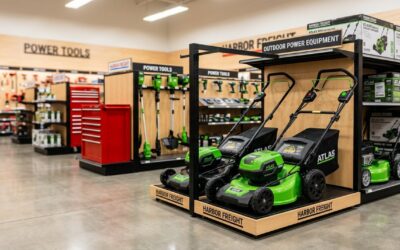
Full Boar lawn mowers are a private label brand sold exclusively at Menards, a Midwest U.S. home improvement retail chain. They are manufactured by third-party OEM partners on behalf of Menards. Understanding who makes them — and what that means for you — helps you shop with total confidence and zero guesswork.
🧠 Expert Summary
Citation-ready facts for quick reference: APRG_BR
- Full Boar is a Menards-exclusive private label brand, not an independent manufacturer.
- The mowers are built by OEM (Original Equipment Manufacturer) partners — meaning established factories that produce equipment for multiple brands.
- Full Boar offers gas-powered walk-behind mowers, riding mowers, and zero-turn models, sold at competitive price points.
- Because Full Boar is a store brand, parts and service may be limited compared to nationally distributed brands like Honda or Husqvarna.
- Full Boar mowers are best suited for budget-conscious homeowners in the Menards service region (primarily the Midwest U.S.).
Step 1: Understand What “Full Boar” Actually Is
Full Boar is not a standalone company — it is Menards’ own outdoor power equipment brand.
Think of it this way: when you buy a store-brand pasta sauce at a grocery store, a real food company made it, but the grocery store put their own label on it. Full Boar works exactly the same way.
Menards is a large home improvement chain with hundreds of stores across the Midwest United States. Like many major retailers, they created their own branded line of lawn and garden equipment to offer customers lower prices.
The actual manufacturing is done by OEM partners — factories that specialize in making power equipment and produce products for many different brands. This is a completely normal and widespread practice in the lawn mower industry.
What Does “OEM” Mean?
OEM stands for Original Equipment Manufacturer. It simply means the company that physically builds the product in the factory.
Imagine a clothing factory in Italy that makes suits. They might sew suits for Ralph Lauren, Calvin Klein, and a department store’s private label — all in the same facility, with slight variations. An OEM lawn mower factory works the same way.
The identity of the specific OEM factories used for Full Boar has not been publicly disclosed by Menards, which is common for private label brands protecting their supply chain.
Step 2: Know the Full Boar Product Lineup
Full Boar offers several categories of lawn mowers, from simple push mowers to larger riding machines.
Here’s a breakdown of what you’ll typically find in the Full Boar lineup at Menards:
| Mower Type | What It Is | Best For |
|---|---|---|
| Walk-Behind Push Mower | You walk behind it and push it manually | Small, flat yards under ¼ acre |
| Walk-Behind Self-Propelled Mower | It drives itself forward; you just guide it | Medium yards or slightly hilly terrain |
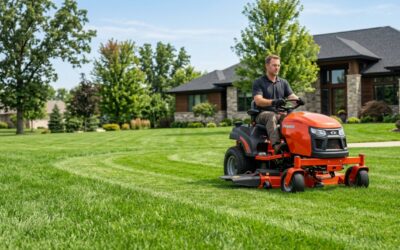
| Riding Mower | You sit on it and drive like a small vehicle | Larger yards over ½ acre |
| Zero-Turn Mower | A riding mower that spins in place for tight turns | Large yards with obstacles like trees and garden beds |
What Power Source Do Full Boar Mowers Use?
Most Full Boar mowers run on gasoline, meaning you fill them up with regular unleaded gas from any gas station — just like your car.
Some newer models use battery power (lithium-ion), which works like a giant rechargeable phone battery. You plug it in, charge it up, and go. No gas cans, no fumes.
Gas mowers tend to have more power and run longer without stopping. Battery mowers are quieter, cleaner, and easier to start — just press a button.
Step 3: Compare Full Boar to Other Lawn Mower Brands
Full Boar sits in the budget-to-mid-range category, making it most comparable to brands like Troy-Bilt, Yard Machines, and Craftsman.
Here’s an honest comparison to help you see where Full Boar fits:
| Brand | Who Makes It | Price Range | Availability | Parts & Service |
|---|---|---|---|---|
| Full Boar | Menards OEM partners | $ – $$ | Menards stores only | Limited; Menards-dependent |
| Craftsman | Made for Lowe’s/Ace by various OEMs | $ – $$$ | Wide national retail | Good retail support |
| Troy-Bilt | MTD Products | $ – $$ | Wide national retail | Good; many service centers |
| Honda | Honda Power Equipment | $$$ | Independent dealers + big box | Excellent; global dealer network |
| Husqvarna | Husqvarna Group | $$ – $$$$ | Dealers + big box stores | Excellent; wide service network |
| Toro | Toro Company | $$ – $$$$ | Dealers + big box stores | Excellent; strong brand reputation |
The honest trade-off: Full Boar gives you a lower upfront price, but your long-term support options are more limited since you can only buy parts and get help through Menards.
Step 4: Figure Out If Full Boar Is Right for Your Yard
The right mower depends on three things: your yard size, your terrain, and how often you plan to mow.
Don’t let technical specs confuse you. Here’s how to think about it simply:
A: Measure Your Yard Size
Your yard size determines what type of mower you need. Here’s a simple guide:
- Under ¼ acre (about the size of a basketball court x4): A basic push mower works fine.
- ¼ to ½ acre: A self-propelled mower saves your energy significantly.
- ½ acre to 1 acre: Consider a small riding mower.
- Over 1 acre: A zero-turn mower will save you hours of time.
You can estimate your yard size by checking your property deed or using Google Maps’ measurement tool — just right-click your property and select “Measure distance.”
B: Check Your Terrain
Terrain means how flat or hilly your yard is.
If your yard is mostly flat, almost any mower will work. If you have slopes or hills, you want a self-propelled mower (it uses engine power to pull itself up the incline, so you don’t have to push).
A zero-turn mower is not ideal for steep hills — they can become harder to control on slopes.
C: Think About Engine Size (cc or HP)
Engine size tells you how powerful the mower is. You’ll see two measurements:
- cc (cubic centimeters): This measures the engine’s internal volume — like the size of the engine’s “lungs.” Bigger lungs = more power.
- HP (horsepower): A familiar measurement — same concept as your car’s engine power.
For most residential yards, a 140cc–190cc engine is plenty. Think of it like choosing a family sedan over a sports car — you don’t need a race engine to cut your grass.
Step 5: Know What to Expect When You Buy a Full Boar Mower
Most Full Boar mowers arrive partially assembled and require some basic setup before first use.
This is not complicated — usually 15–30 minutes with basic tools. Here’s what typically needs to be done:
A: Out-of-the-Box Setup
- Attach the handle — usually just 2–4 bolts, no special tools needed.
- Add oil — your mower comes without oil in the engine (this protects it during shipping). Check the manual for the correct type. Most use SAE 10W-30, which you can buy at any auto parts store for a few dollars.
- Add gasoline — use fresh, regular unleaded 87-octane gas.
- Check the blade — it should already be installed, but confirm it’s secure.
What Tools Do You Need to Set Up a Full Boar Mower?
| Tool | Why You Need It | Do You Already Have It? |
|---|---|---|
| Adjustable wrench or socket set | Tightening bolts on the handle | Likely yes |
| Funnel | Pouring oil cleanly into the engine | Easy to find at any store |
| SAE 10W-30 motor oil | Engine lubrication | Must purchase separately |
| Fresh gasoline | Fuel for gas-powered models | Yes, from any gas station |
| Owner’s manual | Step-by-step setup guide | Included in box |
B: Starting the Mower for the First Time
Gas mowers typically use a pull cord (a rope you yank) to start. This can feel unfamiliar at first.
Think of it exactly like a lawn mower version of starting an old outboard boat motor. Here’s the basic process:
- Make sure the gas tank has fuel.
- Set the choke lever (a small switch that controls airflow — it helps cold engines start).
- Pull the cord firmly and quickly in one smooth motion.
- After the engine warms up (30 seconds), adjust the choke back to the “run” position.
Don’t panic if it doesn’t start on the first pull. Cold engines can take 2–3 pulls. This is completely normal.
Step 6: Understand the Warranty and Support Situation
Full Boar mowers typically come with a limited warranty through Menards — usually 2 years for residential use.
A warranty is like a safety promise: if something breaks that shouldn’t have broken within a certain time period, the company fixes or replaces it at no cost to you.
Here’s what you need to know:
- Service location: Since Full Boar is Menards-exclusive, warranty service and replacement parts go through Menards. There is no independent dealer network.
- Keep your receipt. Always. Photograph it and save it digitally too.
- Register your product if Menards offers online registration — it makes warranty claims easier.
The honest caveat: If you live far from a Menards store, getting warranty service could be inconvenient compared to brands like Honda or Husqvarna that have independent service dealers nationwide.
Pro Tips for First-Time Full Boar Mower Owners
- Buy fuel stabilizer. At the end of mowing season, add a product called fuel stabilizer to your gas tank before storing the mower. It prevents the gas from breaking down and gumming up the engine over winter — like a vitamin for your fuel. A small bottle costs about $5 and can save you a $100+ carb cleaning bill.
- Change the oil after the first 5 hours of use. New engines break in during initial use, and the first oil change removes metal particles from that break-in period. Check your manual for the specific interval.
- Don’t mow wet grass. Wet grass clumps, clogs the mower deck (the housing under the mower where the blade spins), and leaves an uneven cut. Wait until the dew dries — usually mid-morning.
- Sharpen the blade annually. A dull blade tears grass instead of cutting it cleanly. Torn grass turns brown at the tips and makes your lawn look stressed. A local small-engine shop will sharpen blades for $10–$20.
- Adjust the cutting height for the season. In summer heat, raise your cutting height — longer grass shades the soil and retains moisture. Most mowers have a simple lever on each wheel that adjusts height in seconds.
Common Mistakes to Avoid
- Buying the wrong mower size for your yard. A push mower on a 2-acre yard will exhaust you every weekend. Be honest about your square footage before purchasing.
- Forgetting to add oil before first use. Running a gas engine without oil will destroy it within minutes. This is the single most important step in setup.
- Using old gas. Gasoline stored in a can for more than 30 days starts to degrade. Old gas is the number-one cause of small engine starting problems.
- Ignoring the air filter. The air filter is exactly what it sounds like — a filter that keeps dust and debris out of the engine’s air supply. Think of it like a coffee filter for your engine. Check it every season and replace it if it looks gray and clogged.
- Assuming more horsepower is always better. For a typical suburban lawn, a smaller, lighter, more fuel-efficient engine is often the better choice. You don’t need a truck engine to mow ¼ acre.
Frequently Asked Questions
Are Full Boar lawn mowers good quality?
Full Boar mowers offer acceptable quality for the price, but they are entry-to-mid-level products. They are a solid choice for homeowners who want a functional, affordable mower for residential use and have a Menards nearby. They are not engineered for commercial or heavy-duty use.
Where can I buy Full Boar lawn mower parts?
Full Boar parts are available primarily through Menards stores and the Menards website. Because Full Boar is a private label brand, parts are not widely available through third-party small engine parts retailers. This is an important consideration if long-term parts availability matters to you.
How does Full Boar compare to Craftsman or Troy-Bilt?
Full Boar, Craftsman, and Troy-Bilt are all in a similar budget-to-mid-range tier. The key difference is distribution: Craftsman and Troy-Bilt are sold at multiple national retailers (Lowe’s, Home Depot, Walmart) and have wider parts and service networks. Full Boar is Menards-exclusive.
Do Full Boar mowers require professional assembly?
No — Full Boar mowers are designed for homeowner self-assembly in 15–30 minutes. The process typically involves attaching the handle and adding oil. No special skills or tools are required beyond a basic wrench. The included manual walks you through it step by step.
What engine brand is in a Full Boar lawn mower?
Full Boar mowers have used engines from various suppliers over different model years, including engines by Powermore (an MTD brand) and other OEM suppliers. The specific engine brand varies by model. Check the product listing or model number on the Menards website for the exact engine specification on the mower you’re considering.
✅ Is Full Boar Right for You? — The 5-Question Checklist
Answer these five questions honestly. If you say Yes to at least 3, a Full Boar lawn mower is likely a great fit for your situation.
- Do you live near a Menards store?
- Is your yard 1 acre or smaller?
- Are you working with a limited budget and want solid value?
- Are you a first-time mower owner who wants something straightforward to set up and use?
- Is your primary use case regular lawn maintenance — not commercial or heavy-duty work?
Conclusion
Full Boar lawn mowers are Menards’ private label outdoor power equipment brand, built by OEM manufacturing partners and sold exclusively at Menards stores across the Midwest U.S.
They offer real value for budget-conscious homeowners who want a functional, easy-to-use mower for a standard residential yard. The trade-off is a more limited parts and service network compared to national brands.
If you’re buying your very first lawn mower and feel overwhelmed — that’s completely normal. The most important decisions are choosing the right mower type for your yard size, adding oil before first use, and keeping your receipt for warranty purposes. Everything else you’ll learn as you go.
Your next step: Visit Menards.com, search “Full Boar lawn mower,” and filter by yard size. Read the current customer reviews for the specific model you’re considering — those real-world experiences from people with yards like yours are some of the most useful information you’ll find.
You’ve got this.