
Can Chinch Bugs Be Transferred by Lawn Mowers? (And How to Stop It)
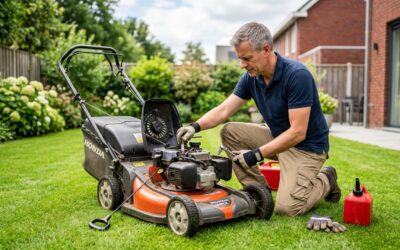
Yes, chinch bugs can be transferred by lawn mowers. When a mower passes through an infested area, bugs cling to the deck, wheels, and undercarriage, then drop off in healthy turf. Understanding how this happens — and how to stop it — can save your entire lawn.
###🧠 Expert Summary
- Chinch bugs transfer via mower equipment when the machine travels from infested to healthy lawn sections.
- A single mowing pass can spread dozens of chinch bugs across a previously clean area of turf.
- Cleaning your mower deck and wheels after each use is the single most effective mechanical prevention step.
- Lawn moths (also called sod webworms) can similarly be disturbed and redistributed by mowing, makingower hygiene critical for multiple pest types.
- Early detection combined with equipment sanitation can prevent full-lawn infestation in most residential cases.
Step1: Understand How Chinch Bugs Spread Through Your Lawn
Chinch bugs spread by walking, wind, and — critically — mechanical transfer via equipment like mowers.
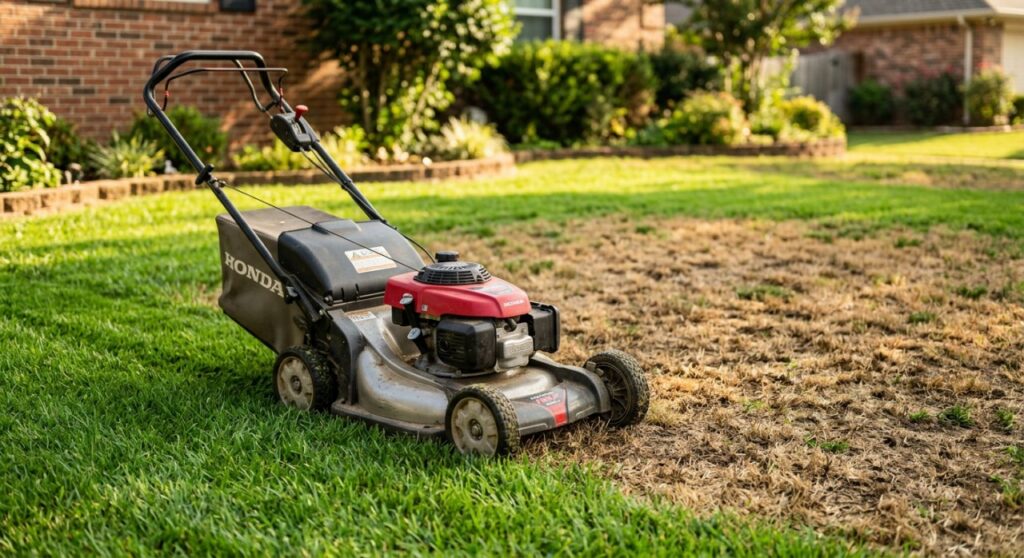
Chinch bugs (Blissus insularis in warm-season turf, Blissus leucopterus in cool-season turf) are tiny insects, roughly 3–5mm long, that feed on grass at theatch layer. They pierce grass stems and inject a toxic saliva that blocks water uptake, causing the lawn to dry out in irregular brown patches.
They are naturally slow walkers, moving just a few feet per day on their own. But attach them to a spinning mower blade, a wheel, or a deck underside — and they travel50 feet in seconds.
H3: Why Mowers Are Especially Effective at Spreading Them
- The mower deck creates suction and turbulence that draws insects upward.
- Bugs hide in thatch (the dense mat of dead grass just above soil) — and mower blades disturb this layer completely.
- Warm mower surfaces are attractive resting points for insects.
- Wheels roll directly through the feeding zone, picking up bugs mechanically.
Think of it like walking through a mudy patch — mud sticks to your shoes and you track it everywhere. Chinch bugs are the mud.
Step 2: Learn to Identify an Active Chinch Bug Infestation Before You Mow
Never mow an unidentified brown patch without checking for chinch bugs first — mowing it spreads the infestation.
Misidentifying chinch bug damage as drought stress is the most common mistake homeowners make. The two look nearly identical at a glance.
H3: The “Tin Can Float Test” (Most Reliable DIY Method)
This is the easiest way to confirm chinch bugs with no equipment.
- Remove both ends of a large tin can (a coffee can or soup can works perfectly).
- Push the can 2–3 inches into the soil at the edge of a brown patch where it meets healthy green grass.
- Fill the can with water and keep it full for 5 minutes.
- Watch the water surface. Chinch bugs float. If you see tiny dark insects with white wing patches bobing up, you have an active infestation.
⚠️ Always test at the margin (where brown meets green), not in the center of dead turf. The bugs have already moved on from fully dead areas.
H3: Visual Identification Checklist
| Feature | Chinch Bug (Adult) | Chinch Bug (Nymph) |
|---|---|---|
| Size | 3–5mm | 1–2mm |
| Color | Black with white wings | Red/orange with white band |
| Wing pattern | Distinctive white X-shape | No wings |
| Movement | Slow crawl | Very slow |
| Location | At thatch/soil interface | Same |
Step 3: Map the Infested Zones Before Mowing
Before starting the mower, walk your entire lawn and mark every affected area so you can mow clean zones first.
This single step — which takes less than 10 minutes — prevents you from dragging the problem into healthy turf.
H3: How to Mark Infested Areas
- Use small landscape flags, sticks, or even folded paper plates to mark the outer boundary of each brown patch.
- Note the wind direction for the day. Mow so that clippings blow away from healthy turf.
- Sketch a rough map or take a phone photo from an elevated position (a porch or second floor). This helps you track spread over time.
H3: Mowing Order Matters
Always mow in this sequence:
- Healthy turf first — farthest from infested zones
- Buffer zones (the edges between healthy and affected grass) second
- Infested areas last
This way, if transfer does occur, it moves into already-compromised turf rather than pristine grass.
Step 4: Prepare Your Mower to Minimize Transfer Risk
Clean and treat your mower before the session, not just after — a contaminated mower from last week can re-introduce bugs today.
H3: Tools and Materials You’ll Need
| Item | Purpose | Approximate Cost |
|---|---|---|
| Garden hose with pressure nozzle | Rinse mower deck and wheels | Already owned |
| Stiff-bristle brush | Scrub thatch and debris from deck | $5–$10 |
| Rubing alcohol (70%+ isopropyl) | Kill surface insects and eggs | $3–$5 |
| Spray bottle | Apply alcohol to undercarriage | $2–$4 |
| Disposable gloves | Avoid contact with bugs | $5 for a pack |
| Tarp or hard surface | Contain debris during cleaning | Already owned |
H3: Pre-Mow Mower Prep Steps
- Park the mower on a tarp or driveway — not on grass, to contain any debris from a previous session.
- Tilt or raise the deck and inspect the undercarriage with a flashlight.
- Scrape and brush off all dried clippings and debris. This is where bugs from last time are hiding.
- Spray the deck, wheels, and undercarriage with diluted isopropyl alcohol.
- Let dry for 2–3 minutes before mowing.
Step 5: Mow Using Techniques That Limit Bug Dispersal
Mowing technique directly affects how many bugs transfer — slow, deliberate passes are far safer than aggressive high-speed mowing.
H3: Mowing Speed and Height
- Mow slowly through potentially infested zones. High speed creates more turbulence, lifting more bugs into the mower path.
- Set your mowing height higher than normal when you suspect infestation — at least 3–4 inches for most warm-season grasses. Taller grass means less aggressive blade contact with theatch layer where bugs live.
- Avoid mowing when it’s hot and dry (miday). Chinch bugs are most active and mobile in heat, meaning more will be disturbed and transferred.
H3: Clipping Disposal
- Bag your clippings rather than mulching them back into the lawn during an active infestation. Clippings can contain bugs, nymphs, and eggs.
- Dispose of bags in sealed trash bags — not in a compost pile near your lawn.
- Never blow clippings toward your neighbor’s yard. This is one of the primary ways chinch bugs (and lawn moths, similarly disturbed by mowing) spread between properties.
💡 Pro Tip: Lawn moths, also called sod webworms, behave similarly to chinch bugs in this context. They are disturbed by mowing and can be redistributed across the lawn. The same mower-hygiene protocol that prevents chinch bug transfer also reduces lawn moth transmission via mowers. One clean-mowing routine protects against both.
Step 6: Clean Your Mower Immediately After Mowing Infested Areas
Post-mow cleaning is non-negotiable — skipping it guarantees you’ll spread the infestation on your next mowing session.
This is the step most homeowners skip. It takes 10 minutes and prevents weeks of damage.
H3: Post-Mow Cleaning Protocol
- Move the mower off the lawn immediately after finishing infested zones. Do not park it on grass.
- Place it on a hard surface (driveway, concrete pad) over a tarp to catch debris.
- Remove and empty the clipping bag into a sealed trash bag. Seal immediately.
- Use a brush and hose to thoroughly clean the deck, wheels, and undercarriage.
- Spray all surfaces with isopropyl alcohol and let air dry.
- Inspect the wheels particularly carefully — the treads trap bugs and thatch.
⚠️ Warning: Do not rinse mower cleaning water onto your lawn or garden beds. It may contain live insects or eggs. Rinse onto a driveway or paved area where it can drain away safely.
Step 7: Treat the Infested Areas After Mowing
Mowing alone won’t eliminate chinch bugs — chemical organic treatment of the confirmed infestation zones is required to stop the population.
H3: Treatment Options Compared
| Treatment Type | Active Ingredient / Method | Best For | Speed of Results | Pet/Child Safe (After Dry) |
|---|---|---|---|---|
| Bifenthrin insecticide | Bifenthrin | Moderate–severe infestation | 24–48 hours | Yes (check label) |
| Imidacloprid | Systemic insecticide | Large-area control | 3–7 days | Yes (check label) |
| Diatomaceous earth | Physical/mechanical | Mild, organic preference | 3–5 days | Yes |
| Neem oil | Azadirachtin | Early-stage, organic preference | 5–7 days | Yes |
| Beneficial nematodes | Steinernema species | Organic, long-term | 2–4 weeks | Yes |
H3: Application Tips
- Water the lawnightly before applying liquid insecticides — this drives bugs up from the soil and thatch.
- Apply in early morning or late evening when bugs are near the surface but temperatures are cooler.
- Treat a buffer zone extending 2–3 feet beyond the visible brown patch — bugs have almost certainly already migrated beyond the visible damage.
- Re-inspect with the tin-can float test 7–10 days after treatment to confirm effectiveness.
Step 8: Prevent Future Transfer With a Seasonal Mower Hygiene Routine
The best long-term protection against mower-spread chinch bugs is a consistent equipment sanitation habit built into your regular lawn care schedule.
H3: Monthly Mower Maintenance Calendar
| Month / Season | Action
|—|—|
| Early spring | Full mower inspection; clean deck and undercarriage |
| During active mowing season | Clean after every session if infestation is present |
| After mowing a neighbor’s or unfamiliar lawn | Full cleaning before returning to your own turf |
| Late fall (storage prep) | Deep clean, remove all debris, inspect blade |
H3: Lawn Practices That Reduce Chinch Bug Risk
- Avoid over-fertilizing with nitrogen. Lush, fast-growing grass is more attractive to chinch bugs.
- Dethatch annually. Thick thatch (over ½ inch) is ideal chinch bug habitat. Removing it reduces harborage.
- Water deeply but infrequently. Chinch bugs prefer dry, stressed turf. Deep watering (1 inch per week) keeps grass resilient.
- Choose resistant grass varieties if overseeding — some St. Augustine cultivars like Floratam and Captiva show reduced chinch bug susceptibility.
Common Mistakes to Avoid
These are the errors that turn a manageable chinch bug problem into a whole-lawn catastrophe.
- ❌ Mowing infested areas first — always mow clean zones first.
- ❌ Mulching clippings during infestation — bag and seal them instead.
- ❌ Skipping post-mow cleaning — transfers the problem to your next session.
- ❌ Treating only the brown patch — bugs have already spread beyond visible damage.
- ❌ Mowing at miday heat — bugs are most active and most likely to transfer.
- ❌ Sharing equipment without cleaning — a neighbor’s infested lawn plus your mower equals your problem too.
- ❌ Confusing drought stress with chinch bug damage — always confirm with the float test before treating.
Pro Tips From Lawn Care Professionals
💡 Mark your mow direction. Always finish your mowing route at the curb or driveway — never end a pass in the middle of the lawn. This prevents you from walking the mower back through clean turf after touching infested areas.
💡 Keep a dedicated “infested lawn” spray bottle in your garage. Pre-filled with diluted isopropyl alcohol, it takes 30 seconds to treat your wheels before and after a problem area.
💡 Document with your phone. Photograph infested patches monthly. Side-by-side comparison photos are the fastest way to tell if a treatment is working or if the infestation is spreading.
💡 Lawn moths also transfer via mowers. If you’re dealing with sod webworm damage alongside chinch bug activity — a common combination in summer — the exact same sanitation protocol protects against both. Clean equipment is a universal defense.
Frequently Asked Questions
Can chinch bugs survive inside a lawn mower between uses?
Yes, for a limited time. Chinch bugs can survive in the debris and thatch trapped in a mower’s deck and undercarriage for 24–72 hours depending on temperature and humidity. This is long enough to transfer a viable population on your next mowing session, which is why post-mow cleaning is essential rather than optional.
How far can a lawn mower spread chinch bugs in a single session?
A single mowing session can spread chinch bugs across an entire residential lawn — typically 2,000–10,000 square feet — in one pass. The mower’s airflow and mechanical contact with infested thatch creates an efficient dispersal mechanism that far outpaces the bug’s natural walking speed of a few feet per day.
Can lawn moths be transmitted via mowers the same way chinch bugs can?
Yes. Lawn moths (sod webworms) are disturbed by mowing activity and can be transferred via mower wheels and deck from infested to clean turf. The larvae live in the thatch layer — the same zone disturbed by mowing — making the transfer mechanism nearly identical. The same sanitation protocol prevents both.
Should I mow my lawn if I suspect a chinch bug infestation?
Only after confirming the infestation and mapping its boundaries. Do the float test first. If positive, mow healthy areas first, infested areas last, use a high mow height, bag clippings, and clean the mower immediately after. Mowing an unconfirmed infestation without precautions is the fastest way to spread it.
Does mowing kill chinch bugs?
Mowing does not kill chinch bugs in meaningful numbers. The blade passes above the thatch layer where bugs live. Mowing may disturb and stress some individuals, but it does not reduce population size. Only targeted insecticide organic treatment of the infestation zone will control the population.
Conclusion
Chinch bugs can and do transfer via lawn mowers — through the deck, wheels, undercarriage, and clippings. But the spread is completely preventable with three core habits: confirm infestations before mowing, mow clean zones first, and clean your equipment after every session in affected areas.
The same protocolects against lawn moth transfer, makingower hygiene one of the highest-leverage actions in your lawn care routine.
Start with the float test, mark your zones, and treat the infestation after mowing — not instead of mowing. A clean, methodical approach stops chinch bugs from becoming a whole-lawn problem.
✅ Is This Guide Right for You? —5-Question Checklist
Answer honestly. If you say Yes to at least 3, this guide applies directly to your situation.
- Do you have irregular brown patches appearing on your lawn, especially in hot, dry weather?
- Have you recently mowed over a brown area without cleaning your mower before moving to healthy grass?
- Do you share lawn equipment with a neighbor, or has someone else recently mowed your lawn?
- Have you never confirmed whether your lawn damage is chinch bugs, drought stress, or another pest?
- Are the brown patches growing in size between mowing sessions?
3 or more Yes answers? Follow this guide from Step 1. You likely have an active infestation risk, and the steps above are ordered to match exactly where you are right now.