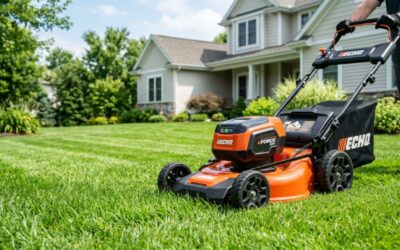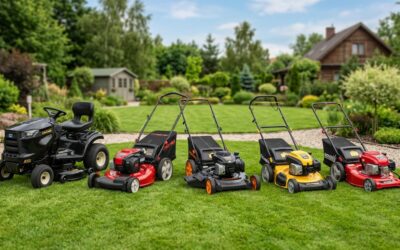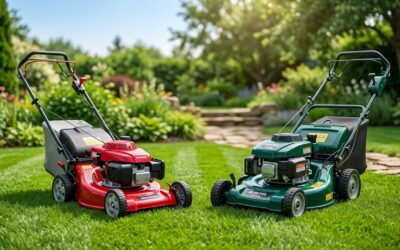

Quick Answer / TL;DR: Most Craftsman push mowers do not have oil filters, while many Craftsman riding mowers, lawn tractors, and zero-turns do. The deciding factor is the engine’s lubrication system, not the Craftsman brand. Check your engine model number, owner’s manual, or engine housing before buying a replacement filter.
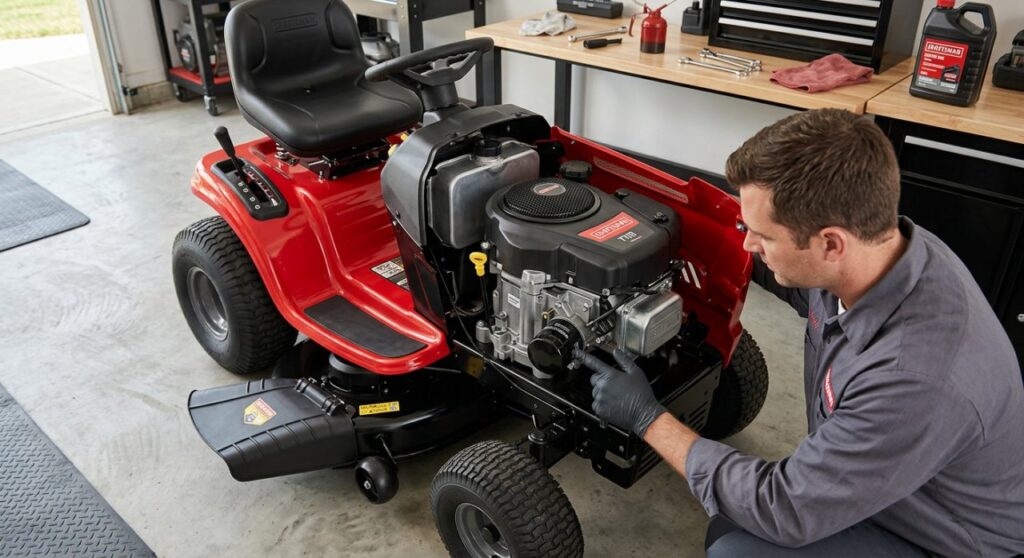
How to do craftsman lawn mowers have oil filters: A Step-by-Step Guide

What You Need

Before you determine whether your Craftsman mower has an oil filter (or needs one replaced), gather the following:

  • Engine model and spec number — stamped on the engine housing or valve cover, usually on a sticker or metal tag
  • Owner’s manual — paper copy or a PDF downloaded from the engine manufacturer’s site
  • Flashlight — filters are often mounted low on the engine base where lighting is poor
  • Oil filter wrench or strap wrench — for removing a spin-on filter
  • Drain pan and shop rags — spin-on filters hold residual oil
  • Correct replacement filter — matched to your engine model, not your mower deck model
  • Fresh engine oil — the correct viscosity and quantity per your manual

Preparation tip: Run the engine for 2–3 minutes before service. Warm oil drains more completely, and a warm filter loosens more easily. Disconnect the spark plug wire on push mowers, or remove the ignition key and set the parking brake on riders, before working under the deck.

Step-by-Step Guide: Determining If Your Craftsman Mower Has an Oil Filter

Step 1: Identify Your Craftsman Mower Type

Mower type is the fastest preliminary indicator of whether an oil filter is likely installed. Use this table as a starting point:

Craftsman mower typeOil filter likelihoodTypical lubrication systemWhat to expect
Reel mowerNoneNo gasoline engineNo engine oil or oil filter
Electric or battery mowerNoneElectric motorNo engine oil or oil filter
Gas push mowerUsually noSplash lubricationOil is changed directly
Gas self-propelled mowerUsually noSplash lubricationOften no replaceable filter
Riding mowerOften yesPressure or full-pressure lubricationSpin-on filter may be fitted
Lawn tractorOften yesPressure lubrication on many enginesFilter commonly mounted near the engine base
Zero-turn mowerFrequently yesFull-pressure lubricationUsually uses an engine-specific filter

These are general patterns, not guarantees. A compact riding mower may use an engine without a filter, while a premium walk-behind could have an unusual engine configuration.

Step 2: Locate the Engine Model Number

Craftsman is the mower brand — the engine underneath is typically made by Briggs & Stratton, Kawasaki, Honda, Kohler, or another manufacturer. The engine’s model and spec number, stamped on the housing or shroud, tells you far more than the mower’s deck model number.

💡 Pro Tip: Photograph the engine data tag with your phone. Parts retailers and manufacturer lookup tools can then match the exact filter for your engine in seconds — and you’ll have it on hand at the parts counter.

Step 3: Inspect the Engine for a Spin-On Filter

With the engine off and cool, look for a small cylinder roughly 2.5–4 inches tall, usually mounted vertically or at a slight angle near the engine base. Spin-on filters are often white, black, orange, or yellow and resemble a small can.

⚠️ Warning — Don’t mistake these for an oil filter:

  • The oil fill cap or dipstick tube — often near the top of the engine
  • The oil drain plug or fitting — low on the crankcase
  • The fuel filter — sits inline in the fuel line between the tank and carburetor, not on the engine block

A small cap or plug is not automatically an oil filter. If in doubt, match the part number in your manual before unscrewing anything.

Step 4: Confirm With the Owner’s Manual or Parts Diagram

Your manual’s maintenance section will list a filter change interval if your engine has one. If you’ve lost the manual, search the engine model number on the manufacturer’s website — the illustrated parts list will show an oil filter assembly if equipped.

Step 5: Replace the Filter (If Equipped)

  1. Run the engine 2–3 minutes, then shut it off and disconnect the spark plug wire or remove the key.
  2. Position a drain pan under the filter and unscrew it counterclockwise with a filter wrench.
  3. Dab clean oil on the new filter’s rubber gasket.
  4. Thread the new filter on by hand until the gasket contacts the mounting surface, then tighten an additional ¾ turn. Do not overtighten.
  5. Change the engine oil at the same time, refill to the correct level, and check for leaks after restarting.

⚠️ Warning: Never add an aftermarket oil filter unless the engine was designed for one or the engine manufacturer offers an approved filter conversion kit. Retrofitting a filter to a splash-lubricated push mower engine provides no benefit and can restrict oil flow.

Why Mower Type Matters

Small push-mower engines are designed to be light, simple, and inexpensive to maintain. Many lubricate internal parts by splashing oil from the crankcase rather than pumping it through a filter, which is why frequent oil changes are critical on these machines.

Larger riding-mower engines run longer and under heavier loads. Most use an oil pump and replaceable filter to control contaminants and maintain lubrication throughout the engine.

Common Mistakes & Troubleshooting

Mistake 1: Shopping by mower model instead of engine model. Two Craftsman tractors with the same deck can carry entirely different engines — and different filters. Always match the filter to the engine’s model and spec number.

Mistake 2: Confusing the fuel filter with the oil filter. The fuel filter lives in the fuel line near the tank; the oil filter threads onto the engine block. Replacing the wrong one leaves your engine oil unchanged.

Mistake 3: Adding a filter to an engine that was never designed for one. Splash-lubricated engines have no oil pump and no filter circuit. An add-on filter can’t circulate oil that isn’t being pumped — and improvised plumbing can cause leaks or oil starvation.

Mistake 4: Overtightening the new filter. Cranking a spin-on filter down with a wrench deforms the gasket and makes the next removal nearly impossible. Hand-tight plus ¾ turn is the standard.

Troubleshooting: Oil leaking after a filter change. Check for a stuck or double-gasketed filter — the old gasket sometimes stays behind on the mounting pad. Remove the filter, wipe the pad clean, confirm a single gasket, and reinstall.

Troubleshooting: Low oil pressure light on a rider. On filter-equipped engines, a clogged filter can trigger low-pressure warnings. Replace the filter, verify the oil level, and retest. If the warning persists, stop using the mower and inspect the oil pump.

Frequently Asked Questions

Do all Craftsman riding mowers have oil filters?

No. Most do, but entry-level riders with smaller splash-lubricated engines may not. Verify by checking your engine model number against the manufacturer’s parts diagram before assuming a filter exists.

How often should I change the oil filter on my Craftsman lawn tractor?

Most engine manufacturers recommend replacing the filter every 100 hours or once per season, ideally at the same time as the oil change. Heavy-duty use — dusty conditions, thick grass, slopes — may warrant more frequent changes.

Can I add an oil filter to my Craftsman push mower?

No, and you shouldn’t. Push mower engines use splash lubrication with no oil pump, so there is no pressurized oil circuit for a filter to work with. The correct maintenance is regular oil changes at the interval listed in your manual.

Where is the oil filter located on a Craftsman riding mower?

Typically on the side or base of the engine block, sometimes behind a splash shield or near the frame rail. You may need to raise the hood and look low along the engine. Consult your engine’s parts diagram if it’s not immediately visible.

Is an aftermarket oil filter safe to use on my Craftsman tractor?

Quality aftermarket filters that match your engine’s specifications are generally safe. What matters is correct fitment, bypass valve rating, and filtration media — not the brand on the box. When in doubt, the OEM filter or an engine-manufacturer-approved equivalent is the safest choice.

What happens if I never change the oil filter?

A saturated filter loses filtration capacity, allowing contaminants to circulate through the engine. Over time this accelerates bearing and camshaft wear, can trigger low-oil-pressure warnings, and may ultimately lead to engine failure — a repair that often exceeds the cost of the mower itself.