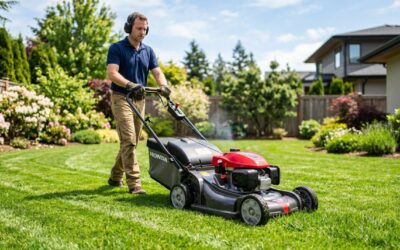

Quick Answer / TL;DR: Yes, cc (cubic centimeters) matters in lawn mowers — it measures engine displacement and roughly indicates torque. But bigger isn’t automatically better. Choose 140–160cc for small, level lawns and 160–190cc for thick grass, slopes, mulching, or self-propelled models. Match engine size to your lawn’s actual conditions, not the biggest number on the price tag.

How to does cc matter in lawn mowers: A Step-by-Step Guide

Expert Summary: CC measures the swept volume of an engine’s pistons — engine size, not guaranteed cutting power. A well-designed 160cc overhead-valve engine can outperform an inefficient 190cc unit. Torque, not raw displacement, keeps blade speed steady in dense grass, and engine design determines how much torque you actually get per cc.

What You Need

You don’t need specialist equipment to size a mower engine correctly. You need accurate information about your lawn and the ability to compare it against engine, deck, and drive specifications. Gather the following before you shop:

Tool or informationWhy you need itLow-cost method
Lawn size estimateDetermines mowing duration and engine workloadMeasure with a map app or pace the boundaries
Terrain assessmentReveals whether slopes require more torque or self-propulsionWalk the lawn and note inclines
Grass condition notesThick, damp, or overgrown grass demands more torqueObserve growth rate and typical mowing conditions
Deck width and drive typeWider decks and self-propelled drivetrains add engine loadCheck the mower’s specification sheet
Mowing habitsMulching, bagging, and cutting frequency change displacement needsReview how you actually use your current mower

Our who makes dewalt lawn mowers guide explains brand trade-offs if you’re also comparing manufacturers.

Step-by-Step Guide

Step 1: Understand What CC Means on a Lawn Mower

Learn the measurement before comparing engines. CC stands for cubic centimeters, which measures an engine cylinder’s swept volume — the space through which the piston moves during one complete stroke. If you’re asking what is cc in lawn mowers, think of it as engine capacity: a 190cc engine moves a greater volume of air and fuel than a 140cc engine during its operating cycle.

CCs describe engine displacement, not cutting width or fuel tank capacity. Larger displacement gives the engine the potential to burn more air and fuel and produce more torque. Torque helps the blade maintain speed when it encounters resistance from:

  • Thick or overgrown grass
  • Damp clippings
  • Leaves and light debris
  • Mulching loads
  • Inclines
  • A wide cutting deck
  • A heavy self-propelled drivetrain

However, displacement alone does not show how efficiently an engine converts fuel into useful work.

Step 2: Compare CC in Practical Use — Not Just on Paper

In practical terms, cc indicates how well a mower handles demanding cutting conditions. A higher-displacement engine usually loses less speed when the blade enters dense grass, provided the engine and deck are properly matched.

For example, two walk-behind mowers may use the same 21-inch deck, but one has a 140cc engine and the other a 190cc engine. The larger engine will generally recover blade speed faster in tall grass — although it will cost more, weigh more, and consume more fuel.

💡 Pro Tip: Watch for blade speed recovery, not just top speed. A mower that bogs down and slowly regains RPM in thick grass is undersized for your conditions, regardless of its cc rating.

Step 3: Don’t Confuse CC With Horsepower

CC measures engine size, while horsepower measures the rate at which the engine performs work. You cannot convert cc to horsepower accurately without knowing the engine’s design, operating speed, compression ratio, and efficiency. Two engines with identical displacement can deliver very different results because of differences in:

  • Valve design (overhead valve vs. flathead)
  • Compression ratio
  • Carburetion or fuel injection
  • RPM limits
  • Cooling
  • Engine tuning
  • Flywheel weight
  • Blade and deck aerodynamics

A well-designed 160cc overhead-valve engine can outperform an older or less efficient engine with greater displacement.

Step 4: Match CC to Your Lawn Conditions

Use your notes from the “What You Need” section to select the right displacement range:

  • 140–160cc: Adequate for routine mowing on small or medium, mostly level lawns with regularly maintained grass.
  • 160–190cc: Better suited to thick grass, slopes, wider decks, frequent mulching, and self-propelled mowers.

💡 Pro Tip: Paying substantially more for extra displacement is poor value when a smaller engine can maintain blade speed under your actual mowing conditions. Spend the difference on build quality, deck design, or a better warranty instead.

Step 5: Verify Real-World Performance Before Buying

Where possible, test the mower in conditions similar to yours, or read reviews from owners with comparable lawns. Check that the engine brand, valve configuration, and torque output (often listed alongside cc) support the deck size and drive system you’re considering.

⚠️ Warning: Running an undersized engine at full throttle through heavy grass constantly strains the engine, overheats the cylinder head, and shortens engine life. If your mower bogs down in normal conditions, the displacement or deck match is wrong — don’t just mow slower and accept it.

Common Mistakes & Troubleshooting

Mistake 1: Buying the Highest CC “Just to Be Safe”

Extra displacement adds cost, weight, and fuel consumption. On a small, level lawn, a 190cc engine delivers no cutting benefit over a well-designed 150cc unit — you’re paying for unused capacity.

Mistake 2: Comparing CC Across Different Engine Designs

Displacement only means something within similar engine architectures. A modern overhead-valve (OHV) 160cc engine typically outperforms an older flathead design of the same or larger size. Always compare valve design and torque output alongside cc.

Troubleshooting: Mower Bogs Down in Thick Grass

If blade speed drops and recovers slowly in dense grass, first rule out maintenance issues: a dull blade, clogged deck, or dirty air filter can mimic an undersized engine. If maintenance is current and bogging persists, the engine is genuinely under-displaced for your grass conditions — step up 20–30cc or reduce your cut height increments.

Troubleshooting: New Mower Feels Heavy and Sluggish on Slopes

Higher-displacement engines are heavier. If you added cc for torque but now struggle to push the mower uphill, the issue is total weight, not lack of power. Consider a self-propelled drive rather than more displacement — the drive system, not the engine, determines pushing effort.

Mistake 3: Assuming CC Predicts Fuel Use Reliably

Larger engines generally burn more fuel, but engine efficiency, load, and mowing technique matter more than raw cc. An oversized engine cruising under light load can consume similar fuel to a properly sized engine working near its limit.

Mistake 4: Ignoring the Deck–Engine Match

A 190cc engine driving a wide, poorly designed deck can cut worse than a 150cc engine with an efficient deck. Blade design, deck discharge, and airflow affect cut quality as much as torque does. Evaluate the mower as a complete system.

Frequently Asked Questions

What are CCs in lawn mowers?

CCs (cubic centimeters) measure engine displacement — the total swept volume of the engine’s cylinder(s) as the piston moves through one stroke. It indicates engine size and potential torque, not cutting width, fuel capacity, or guaranteed cutting performance.

Is a higher cc lawn mower always better?

No. Higher cc generally means more torque potential, but only useful if your conditions demand it — thick grass, slopes, mulching, or self-propulsion. On a small, level lawn, a smaller well-designed engine cuts just as well while costing less, weighing less, and using less fuel.

How many cc do I need for a walk-behind mower?

For small to medium, mostly level lawns with routine mowing, 140–160cc is usually adequate. For thick grass, slopes, wider decks, heavy mulching, or self-propelled models, choose 160–190cc. Beyond 190cc, most walk-behind applications see diminishing returns.

Does cc equal horsepower?

No. CC measures engine size; horsepower measures the rate of work. You can’t convert between them accurately without knowing the engine’s design, RPM, compression ratio, and efficiency. Two engines with the same cc can produce significantly different horsepower and torque.

Will a bigger cc engine cut better than my current mower?

Only if your current mower bogs down or loses blade speed in conditions you regularly face. First check the obvious culprits — dull blade, clogged deck, dirty air filter — because maintenance issues mimic an undersized engine. If the engine truly can’t hold blade speed, then more displacement (or a better-designed engine of similar size) will help.

Do electric mowers have cc ratings?

No. Electric and battery-powered mowers have no engine displacement, so they’re rated by voltage, amp-hours, and motor torque instead. When comparing electric to gas, focus on torque output and deck size rather than trying to find a “cc equivalent” — none exists in a meaningful sense.