
Quick Answer: Most grass seed germinates in 5 to 21 days, but the timeline varies significantly by species. Fast-growing perennial ryegrass sprouts in just 3 to 5 days, while Kentucky bluegrass requires 14 to 30 days. Success depends on maintaining soil temperatures between 50\u00b0F and 65\u00b0F and keeping the top inch of soil consistently moist.
Planting a new lawn is an investment in your home\u2019s curb appeal, but the waiting game can be frustrating. As a master turfgrass agronomist, I have overseen thousands of lawn installations, and the number one mistake homeowners make is expecting uniform results across different grass types. Understanding the biological clock of your specific seed is the first step to a lush, green carpet.
Grass Seed Germination Timelines by Species
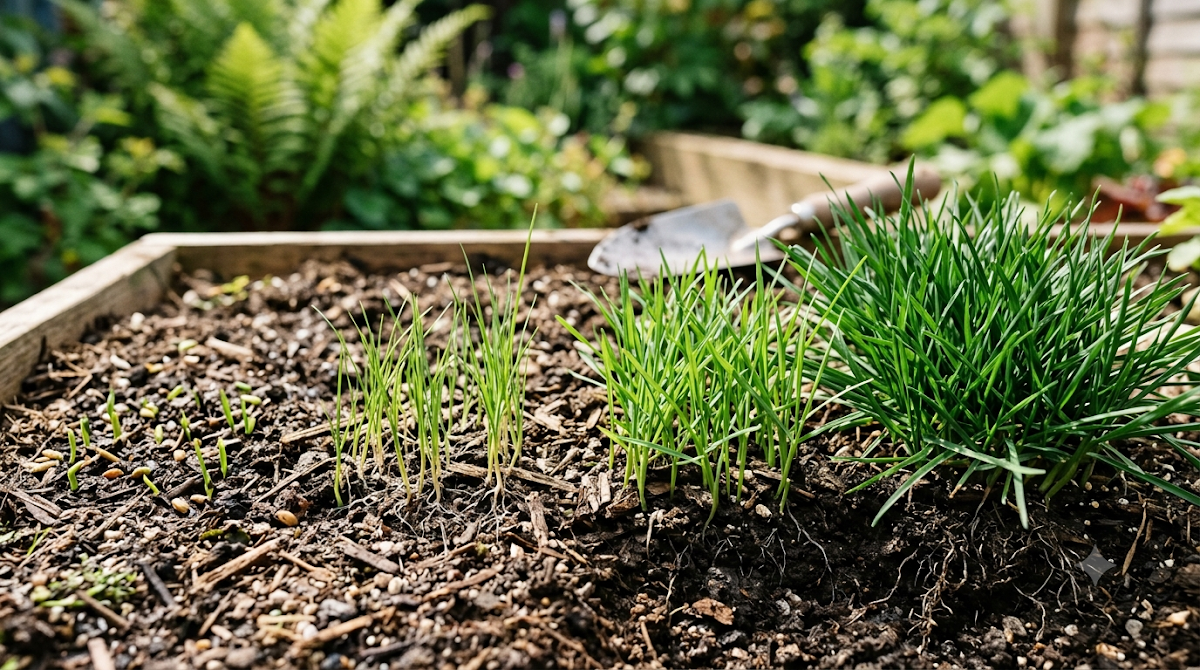
Not all seeds are created equal. The genetic makeup of the grass dictates how quickly it breaks dormancy. Cool-season grasses generally germinate faster than warm-season varieties, but there are notable exceptions. Below is a breakdown of the standard germination windows you can expect under optimal conditions.
| Grass Type | Category | Germination Window | First Mow Time |
|---|---|---|---|
| Perennial Ryegrass | Cool-Season | 3 \u2013 5 Days | 21 Days |
| Tall Fescue | Cool-Season | 7 \u2013 12 Days | 28 Days |
| Fine Fescue | Cool-Season | 7 \u2013 14 Days | 28 Days |
| Kentucky Bluegrass | Cool-Season | 14 \u2013 30 Days | 45 Days |
| Bermuda Grass | Warm-Season | 10 \u2013 30 Days | 45 Days |
| Zoysia Grass | Warm-Season | 14 \u2013 21 Days | 45 Days |
| Bahia Grass | Warm-Season | 21 \u2013 30+ Days | 60 Days |
Critical Factors Influencing Growth Speed
While genetics set the timeline, the environment dictates the pace. Even the fastest ryegrass will stall if the soil conditions are poor. Here are the three pillars of germination.
1. Soil Temperature
Soil temperature is the primary trigger for germination. You should measure soil temperature at a depth of 2 to 4 inches using a soil thermometer.
- Cool-Season Grasses (Ryegrass, Fescue, Bluegrass): Optimal range is 50\u00b0F to 65\u00b0F. Germination slows significantly below 45\u00b0F.
- Warm-Season Grasses (Bermuda, Zoysia, Bahia): Require warmer soil, ideally between 65\u00b0F and 75\u00b0F.
2. Moisture Consistency
The seed must remain in contact with moisture to absorb water and activate enzymes. The top inch of soil should never dry out completely, but it should not be waterlogged either. Overwatering can cause seeds to rot or wash away.
3. Seed-to-Soil Contact
Seeds sitting on top of hard, compacted soil or buried too deep will fail. The ideal planting depth is 1/8 to 1/4 inch. Using a lawn roller after seeding ensures the seed is pressed firmly into the soil surface.
Step-by-Step: Ensuring Rapid Germination
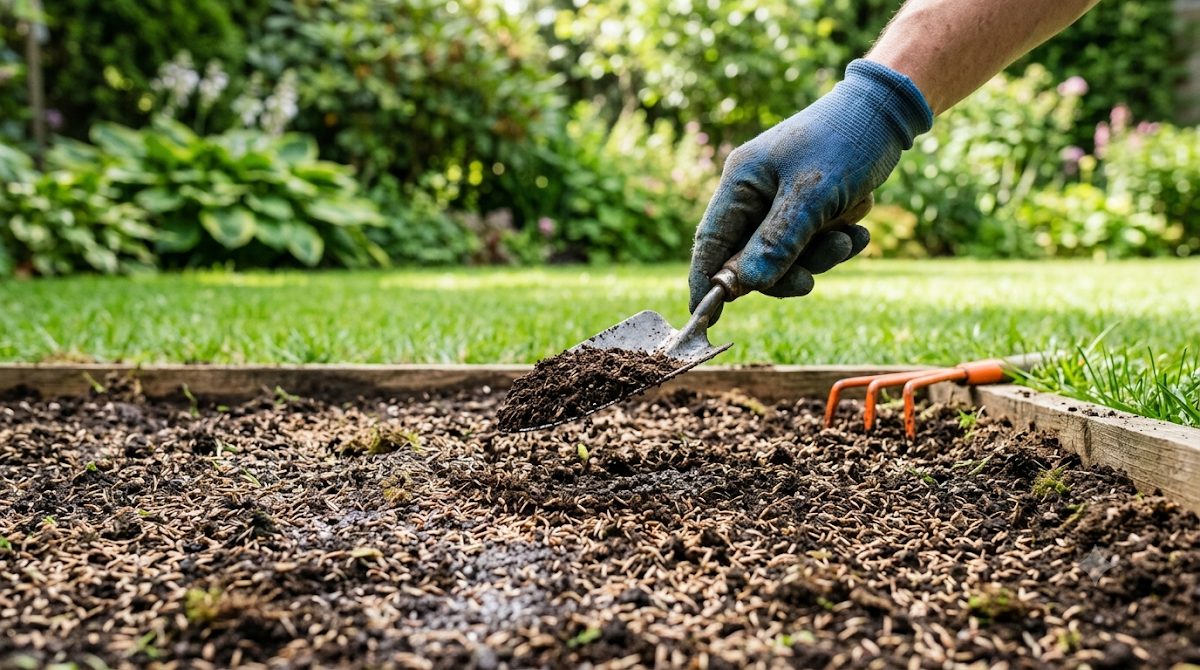
To get your grass to grow on the faster end of the spectrum, follow this agronomic protocol.
Step 1: Soil Preparation
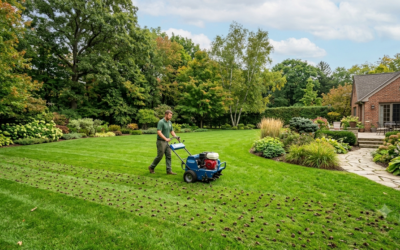
Remove debris and rake the soil to a fine tilth. If your soil is compacted, use a core aerator to relieve pressure and allow oxygen to reach the seed.
Step 2: pH Balancing
Test your soil pH. Most grasses thrive in a pH range of 6.0 to 7.0. If your soil is too acidic, apply lime according to the test results; if too alkaline, apply sulfur.
Step 3: Seeding and Rolling
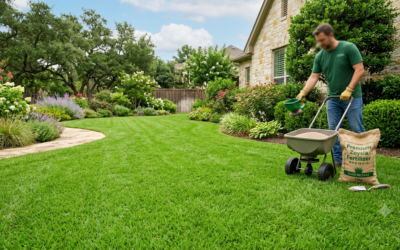
Use a broadcast spreader for even coverage. Apply a starter fertilizer high in phosphorus (the middle number in N-P-K) to promote root development. Lightly roll the area with a water-filled roller to ensure contact.
Step 4: The Germination Phase
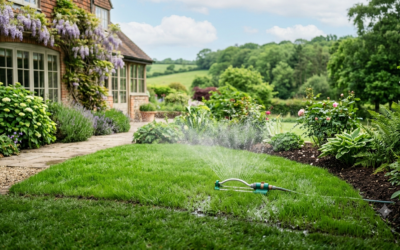
Water lightly 2-3 times daily for the first 10 days. Once you see green shoots, switch to deeper, less frequent watering (once daily) to encourage deep rooting.
Expert Troubleshooting
What if I mowed too early?
If you mow before the grass reaches 3 inches, you risk pulling the young seedlings out of the ground because their root systems are not yet established. If you must mow early due to uneven growth, use a sharp mower on a high setting and do not bag the clippings, as they provide nitrogen.
What if it rains heavily after seeding?
Heavy rain can wash seeds away or cause soil crusting. If this happens, lightly rake the area to break the crust and ensure seeds are not buried too deep. You may need to overseed bare patches once the soil dries.
Frequently Asked Questions
Can I speed up germination with fertilizer?
Yes, using a starter fertilizer containing phosphorus can stimulate root growth, but it will not drastically shorten the germination window. The most effective way to speed up growth is maintaining optimal soil temperature and moisture.
How long until I can walk on new grass?
Avoid walking on new grass for at least 3 to 4 weeks. The root system is extremely fragile during the first month, and foot traffic can cause compaction or dislodge seedlings.
Why is my grass seed taking longer than 30 days?
If germination has not occurred after 30 days, the seed may have been planted too deep, the soil may be too cold, or the seed may be non-viable. Check your soil temperature and moisture levels, and consider a germination test on a small batch of seed.
Should I cover grass seed with straw?
A light layer of straw can help retain moisture and protect seeds from birds, but too much straw will block sunlight and trap too much moisture, leading to fungal issues. Use a thin, even layer that covers about 50% of the soil surface. For related insights, see our detailed guide on Does Vinegar Kill Weeds? Yes\u2014Here’s How to Use It Right.