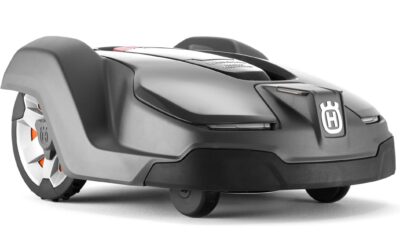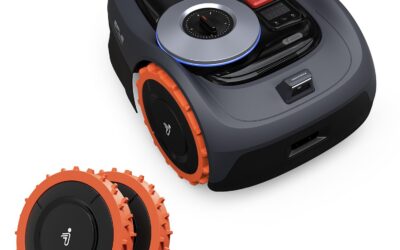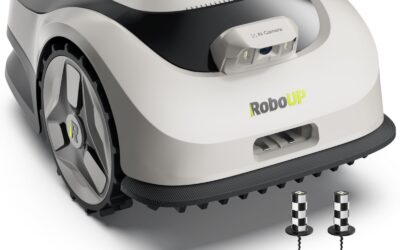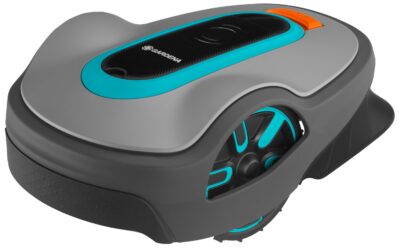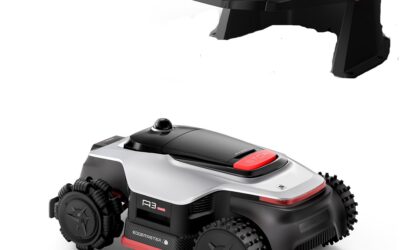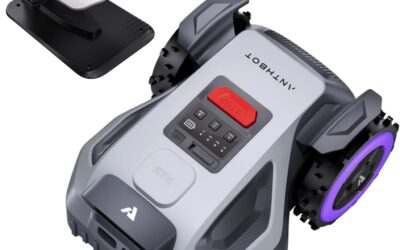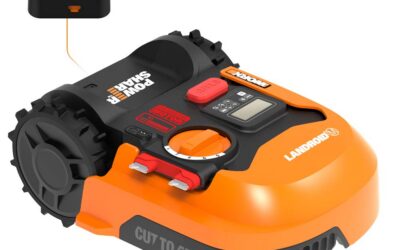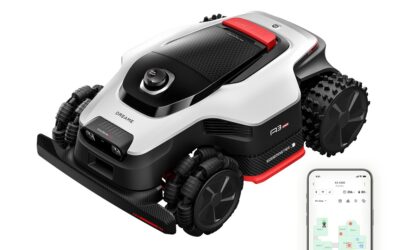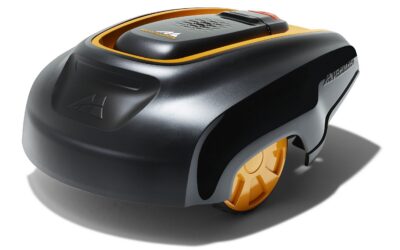

The Segway Navimow i110N stands out as the best match for automatic robot lawn mowers in this comparison, especially for owners of quiet, quarter-acre suburban lawns wanting reliable wire-free automation. It combines RTK-and-vision-based EFLS 2.0 navigation, AI-assisted maping, and multi-zone app control, backed by the largest supplied review base among the wire-free models compared here. This makes it a sound pick for straightforward quarter-acre yards using virtual boundaries. Its main limitation: it’s built strictly for lawns up to one-quarter acre and requires an included GNSS antenna kit, so larger or more complex properties need a different model.
In-Depth Introduction
Robot lawn mowers have moved well past the wire-guided models of a decade ago. The current generation relies on RTK positioning, LiDAR, and AI-driven vision to map a yard, avoid obstacles, and mow in structured patterns without a buried perimeter wire. That shift maters for buyers because it changes what “easy setup” actually means, and it changes which specifications are worth paying attention to before checkout.
This comparison draws exclusively from manufacturer-supplied specifications, listed pricing, and available customer rating and review-count data for each model. Where a listing includes only one review or no review count, that gap is noted rather than glossed over, since a strong feature list is not the same as confirmed real-world performance. No hands-on testing was performed for this roundup; every claim about navigation accuracy, slope handling, or edge-cutting performance reflects what the manufacturer states in the product listing.
Four factors should guide most buying decisions in this category. First, lawn size capacity is non-negotiable: models here range from a1,600–8,611 sq. ft. footprint up to 1.5 acres, and buying below your actual yard size means the mower will struggle with coverage. Second, navigation type determines both setup effort and reliability in tricky spots — RTK-based systems generally need an antenna or cloud connection, while dual-LiDAR systems market themselves as antenna-free and often claim better performance under trees or in shade. Third, edge and obstacle handling varies significantly; some models include a built-in trimmer for borders, while others still recommend manual trimming in tight corners. Fourth, review evidence should weigh into the decision alongside specs, since several higher-priced, feature-dense models in this set carry thin or low supplied ratings, which is a signal worth taking seriously before spending over a thousand dollars.
The sections below translate these factors into a practical buying guide, a side-by-side comparison, and direct answers to the questions that come up most often when shopping for a robot mower.

Pros
- No perimeter wires: saves installation time and avoids wire breakage issues.
- RTK+Vision navigation provides centimeter-level accuracy, even under trees or in narrow passages.
- AI-assisted mapping simplifies initial setup; the mower maps the lawn automatically.
- Camera-based obstacle detection recognizes a wide range of objects, improving safety.
- Three-year warranty offers long-term peace of mind.
Cons
- Rated for only 1/4 acre, so larger lawns will need a different model or multiple units.
- Optional 4G anti-theft module is not included; you must purchase it separately for tracking.
- Vision-based system may struggle in poor lighting or heavy rain, though not specified.
The Segway Navimow i110N is a robotic lawn mower designed for homeowners with small to medium-sized lawns up to a quarter acre. It eliminates the need for perimeter wires, using a combination of RTK GPS and vision sensors to navigate and map your yard. This makes it an attractive option for those who want a modern, wire-free mowing solution without the hassle of burying boundary wires.
The standout feature is the EFLS 2.0 system, which combines RTK positioning with vision sensors for centimeter-level accuracy. This allows the mower to handle complex lawn layouts, including areas beneath trees or narrow passages, where GPS signals might be weak. The AI-assisted mapping feature further simplifies setup: you guide the mower with your smartphone, and it automatically identifies lawn edges and maps the entire working area. This is a significant convenience compared to manual boundary setting.
The mower uses a planned mowing pattern to ensure systematic coverage, and it changes direction after completing a pass to minimize visible tracks. It also automatically returns to the charging station when the battery is low, then resumes mowing to finish the job. The built-in camera with a 140-degree field of view can detect over 150 types of common obstacles, providing robust obstacle avoidance and safety. The package includes the mower, charging station, GNSS antenna kit, spare blades, and installation accessories, so you have everything needed for setup.
However, there are limitations. The 1/4 acre capacity means it's not suitable for larger properties. The optional 4G module for anti-theft tracking is an extra cost, which might be a consideration for those worried about theft. Additionally, while the vision system enhances navigation, it may have limitations in low-light or heavy rain conditions, though the data does not specify these scenarios.
In summary, the Segway Navimow i110N is a strong choice for homeowners with a small to medium lawn who value wire-free convenience and advanced navigation. Its AI mapping and obstacle detection are standout features. The main reasons to hesitate are the limited acreage capacity and the extra cost for anti-theft features. If you have a larger lawn or need robust theft tracking out of the box, you might consider other models or additional accessories.
RTK+Vision Navigation (EFLS 2.0): This system combines RTK GPS with vision sensors to achieve centimeter-level accuracy. It ensures reliable operation even in areas with weak GPS signals, such as under trees or narrow passages. This is ideal for complex lawns with obstacles.
Wire-Free Setup and AI-Assisted Mapping: No perimeter wires are needed. You use the smartphone app to guide the mower and set virtual boundaries. The AI-assisted mapping feature automatically detects lawn edges and maps the entire area, making initial setup quick and easy.
Planned Mowing Patterns: The mower follows systematic patterns to ensure complete coverage. It changes direction after each full pass to minimize tracks on the lawn, keeping it looking fresh. It also automatically recharges and resumes mowing to finish the job.
Vision-Based Obstacle Detection: A 140-degree field-of-view camera with AI algorithms detects over 150 types of common garden objects. This provides stronger obstacle avoidance compared to ultrasonic sensors or bumpers, enhancing safety for pets and children.
Quiet Operation: At 58dB(A), it operates quietly, making it suitable for noise-sensitive neighborhoods and allowing mowing at any time without disturbing neighbors.
Best For: Homeowners with a lawn up to 1/4 acre who want a wire-free robotic mower with advanced navigation. The AI mapping and obstacle detection make it user-friendly for those who prefer app-based control over manual perimeter wires.
Consider Alternatives If: You have a larger lawn exceeding 1/4 acre, or if you require built-in anti-theft tracking without an extra purchase. Also, if you prefer a mower with physical boundary wires for simplicity, this may not be necessary.
Setup and Daily Use: The setup involves placing the charging station and GNSS antenna, then using the app to guide the mower and map boundaries. The AI-assisted mapping automates much of the process. Daily use is hands-off: the mower follows its schedule, returns to charge, and resumes mowing.
Maintenance Requirements: The package includes spare blades and bolts, indicating blade replacement is expected. Regular cleaning of the mower and sensors is advisable, though not specified. The mower is battery-powered, so battery care follows standard practices.
What Sets It Apart: The combination of RTK and vision for wire-free navigation, along with AI-assisted mapping, distinguishes it from many robot mowers that rely on perimeter wires or simpler GPS. The camera-based obstacle detection adds a layer of safety that is not common in all models.
Initial Setup: The package includes the mower, charging station, GNSS antenna kit, and installation accessories. Setup involves placing the charging station and antenna, then using the smartphone app to guide the mower and map your lawn. The AI-assisted mapping feature helps automate the process.
No Perimeter Wires: Unlike traditional robot mowers, you don't need to bury boundary wires. This saves significant installation time and effort, and avoids issues with wire breaks.
Routine Maintenance: The mower comes with 9 spare blades and bolts, indicating that blade replacement is a regular task. You'll need to check and replace blades periodically to ensure a clean cut. The mower's sensors and camera should be kept clean for optimal navigation and obstacle detection.
Charging and Storage: The mower automatically returns to the charging station when the battery is low. For seasonal storage, you can store the mower and charging station in a dry place, following standard battery care practices.
Pros
- Weather protection extends robot mower lifespan by shielding from rain, snow, hail, and sun.
- Universal compatibility claim covers major brands like Husqvarna, Worx, Segway, and Mammotion.
- Easy disassembly and storage, especially for winter.
- White roof design integrates naturally into outdoor settings.
- Rust-proof frame resists corrosion for outdoor use.
Cons
- No customer reviews yet, so real-world durability and fit are unverified.
- Exact compatibility with specific models is not detailed; buyers must measure their mower and dock.
- Freezing temperatures require moving the robot mower to a frost-free location, limiting year-round outdoor use.
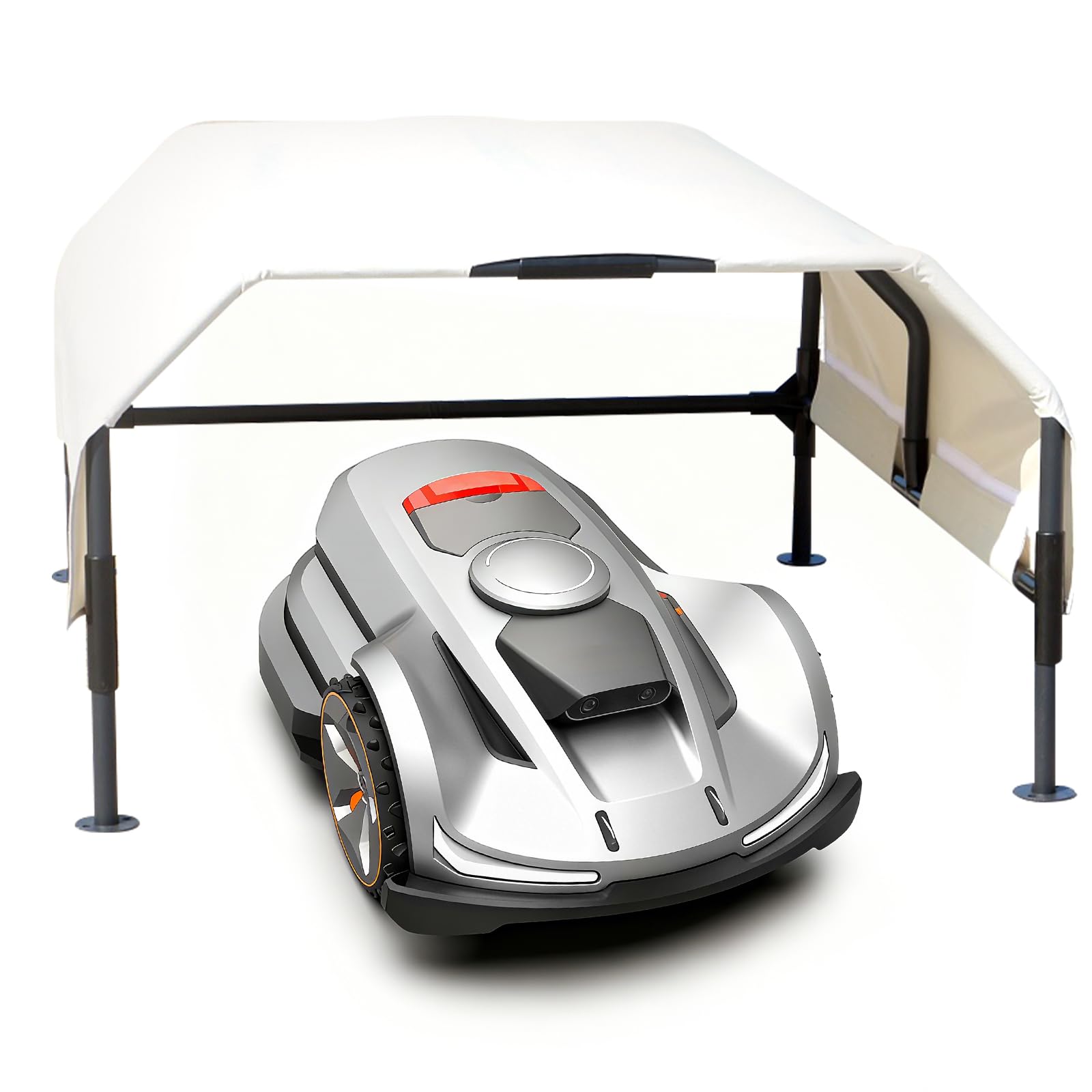
The CNAINFC Robot Mower Garage is a large weatherproof shelter designed to protect robotic lawn mowers and their charging stations from the elements. Ideal for homeowners with a robot mower who want to extend its lifespan by shielding it from rain, snow, UV rays, and debris like branches or bird droppings. The upgraded design features a rust-proof spray-coated steel frame and a canopy made of outdoor-grade 600D high-density waterproof Oxford fabric, with dimensions of 35.5 x 29 x 17 inches.
For daily use, the garage's spacious side opening allows the mower to easily enter and exit for charging or protection. The simple tent-like design integrates into garden aesthetics, making it a convenient addition to any lawn. The manufacturer claims compatibility with all robot mowers on the market, listing brands like Lymow, Segway Navimow, Mammotion LUBA, Husqvarna, and Worx, but actual fit may vary by model and dock size.
Maintenance is straightforward: the garage can be disassembled for easy storage, especially in winter. However, the manufacturer recommends storing the robot mower in a frost-free area when temperatures drop below freezing, which may limit outdoor use in cold climates. The shelter itself is designed to protect the mower from overheating and moisture accumulation, but long-term durability is unverified due to lack of customer reviews.
Who should buy? Homeowners with a robot mower who want a simple, affordable way to protect their investment from weather without building a permanent structure. Who should avoid? Those in freezing climates who expect year-round outdoor protection, or those with unusually large mowers or docks that may not fit the dimensions. Before purchase, verify the dimensions of your mower and charging station against the garage's interior space, and check compatibility with your specific model.
Best Ownership Fit: This garage suits homeowners with a robot mower who want a low-cost, temporary shelter to protect against rain, sun, and debris. It's ideal for those with a flat, open area near their charging station where the garage can be placed.
Daily Workflow: The robot mower enters the garage through the side opening to dock and charge. The canopy shields it from weather, so minimal user intervention is needed. On rainy days, the mower can stay protected until the next scheduled mowing.
Likely Friction: The main friction is the lack of verified fit with specific mower models and the need to move the mower indoors during freezing temperatures. Also, without customer reviews, the long-term durability of the fabric and frame is uncertain.
Before You Buy: Measure your robot mower and charging station to ensure they fit within the 35.5 x 29 x 17-inch dimensions. Verify compatibility with your specific brand and model, as the universal claim may have exceptions. Check if the garage includes ground stakes or anchors for windy conditions (not specified). Confirm the warranty and return policy in case of fit issues.
Setup: The garage is designed for simple assembly, but specific instructions are not provided. Expect to unfold the steel frame and attach the fabric canopy. The side opening should align with the mower's entry path. Verify that the garage is placed on level ground to ensure stability.
Cleaning: The 600D Oxford fabric can be wiped clean with a damp cloth. Avoid using harsh chemicals that may damage the waterproof coating. The steel frame can be wiped down to remove dirt and moisture.
Storage: The garage disassembles easily for winter storage. The manufacturer recommends storing the robot mower itself in a frost-free location when temperatures drop below freezing, as the garage is not insulated.
Maintenance: Inspect the fabric for tears or wear periodically, especially after storms. Check the frame for rust or damage, although it is claimed to be rust-proof. No replacement parts are specified, so contact the manufacturer if the fabric or frame needs repair.
Compatibility: The manufacturer claims universal fit, but it's crucial to verify your mower's dimensions and dock size. Some models may have taller antennas or different charging dock shapes that could prevent proper closure.
Pros
- No perimeter wire needed, saving installation time and effort
- Magnetic stripe offers flexible no-go zone setup without permanent modifications
- Camera-based obstacle detection helps navigate around common lawn obstacles
- Handles slopes up to 35%, suitable for many residential yards
- App control provides convenience for scheduling and remote operation
Cons
- Zero customer reviews and low 2.8 rating indicate lack of proven reliability
- Requires clear visual boundaries; may struggle in complex or cluttered lawns
- Initial manual trimming needed if grass exceeds 2.6 inches, adding setup work
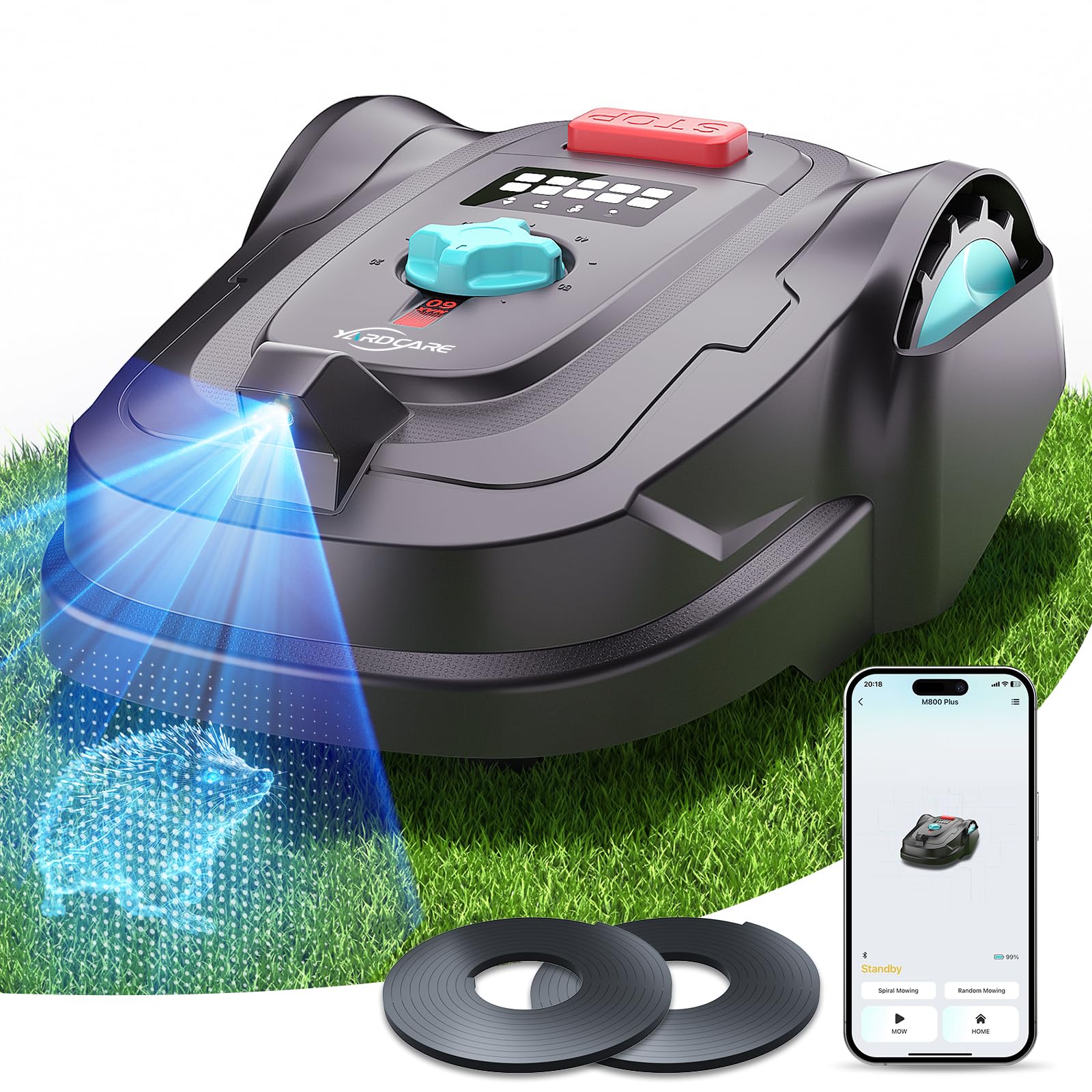
The YARDCARE M800Plus robot lawn mower (ASIN B0FY68QS67) is a cordless robotic mower that uses GPS and 3D vision to navigate without traditional boundary wires. Priced at $589.53, it targets homeowners with lawns up to 8,611 square feet who want a high-tech, low-maintenance mowing solution. The strongest selling point is its wire-free setup, which eliminates the tedious installation of perimeter cables. However, the mower has no customer reviews and a low 2.8-star rating, making it a speculative purchase.
This product appears designed for tech-savvy owners with relatively open, well-defined lawns. Its vision-based system identifies grass and non-grass areas, but it requires clear visual boundaries to function effectively. The included 32.8-foot magnetic stripe allows you to create no-go zones without digging, a convenient feature for protecting gardens or play areas. The mower also boasts obstacle detection and can handle slopes up to 35%, which should accommodate most residential terrains.
Key features include a three-blade cutting disc with a 7-inch cutting width and adjustable cutting height from 0.8 to 2.4 inches. The spiral spot mowing mode helps tackle thicker grass patches for more uniform coverage. App control lets you schedule mowing sessions and adjust patterns remotely. However, note that routine blade replacement is recommended to maintain performance.
Limitations include the mower's dependency on clear boundaries; lawns with irregular edges or many obstacles may cause navigation issues. Also, if grass exceeds 2.6 inches, initial manual trimming is required, adding extra work. With no verified customer feedback, there is no evidence of long-term durability, battery life, or real-world performance. Buyers seeking proven reliability might consider established robot mower brands, but we cannot recommend specific alternatives without additional data.
In conclusion, the YARDCARE M800Plus offers innovative cordless technology at a competitive price, but the absence of reviews and low rating are significant red flags. We recommend waiting for verified customer experiences or purchasing from a retailer with a generous return policy. Pre-purchase, check if your lawn meets the clear-boundary requirement and whether you're comfortable with the initial trimming.
Strong Match: Tech enthusiasts who want the latest cordless robot mower technology and have a lawn with clear, well-defined boundaries and no hidden obstacles. If you value convenience and are willing to troubleshoot initial setup, the M800Plus could be a fit.
Also Consider It If: You have a medium-sized lawn (up to 8,611 sq ft) with moderate slopes (up to 35%) and want to avoid the hassle of burying boundary wire. The magnetic stripe offers a flexible way to protect specific areas.
Not the Best Fit: If you have a complex lawn with many trees, flower beds, or irregular edges, the vision system may struggle. Also, if you prefer a proven product with a track record of reliability, the lack of reviews makes this a risky choice.
Decision in One Sentence: The YARDCARE M800Plus is a tempting cordless option for tech-savvy homeowners with simple lawns, but its unproven reliability makes it a gamble until more customer feedback emerges.
Consider It For:
- Cordless operation eliminates the need for perimeter wire installation.
- The magnetic stripe provides easy no-go zone setup without digging.
- Vision-based obstacle detection can navigate around common obstacles.
- Handles slopes up to 35%, suitable for many yards.
- App control adds convenience for scheduling and adjustments.
Pass If:
- You need proven reliability—zero reviews and a low rating are concerning.
- Your lawn lacks clear visual boundaries or has many obstacles.
- You're not prepared to manually trim grass taller than 2.6 inches initially.
- You want a mower with a track record of customer satisfaction.
Pros
- No perimeter wires: Setup is simpler and more flexible, especially for oddly shaped or multi-area lawns.
- Precise edge cutting: The movable disc reduces missed spots along edges, a common robot mower complaint.
- Strong obstacle avoidance: AI vision and LiDAR detect a wide range of objects, increasing safety for pets and kids.
- Steep slope handling: 45% slope capability suits hilly properties better than many competitors.
- Dual maps: Ideal for separate front and back yards without needing a second mower.
Cons
- Price: At a premium price point, it may be a significant investment for small lawns.
- Mixed customer feedback: The 4.1-star rating indicates some users may have experienced issues with performance or reliability.
- Battery and charging: No runtime or charging time specified, so buyers with larger 1/4-acre lawns should verify coverage.
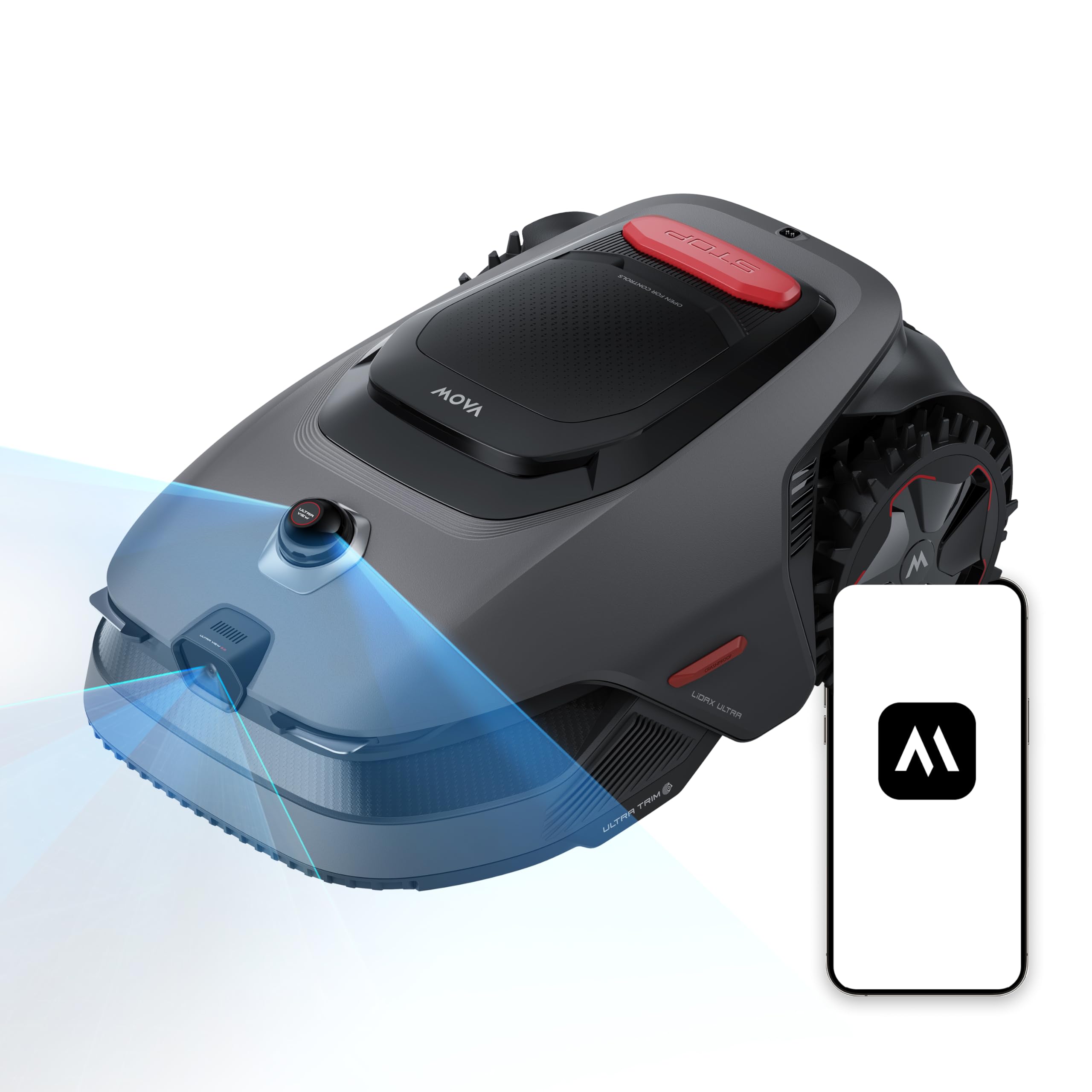
The MOVA LiDAX Ultra 1000 is a wire-free robotic lawn mower designed for homeowners with up to 1/4 acre of grass who want a hands-off mowing solution without the hassle of installing perimeter wires. It stands out with its RTK-free navigation that uses 360° 3D LiDAR and AI vision to map your yard automatically, even in complex layouts or challenging lighting. This makes it a strong contender for tech-savvy users who value easy setup and precise navigation.
Key features like the UltraTrim 1.0 movable disc allow cutting within 2 inches of walls and hedges, addressing a common frustration with robot mowers that leave uncut strips. The AI-powered obstacle avoidance detects over 300 types of obstacles, from furniture to small toys, which is a significant safety plus for households with pets and children. The mower also handles slopes up to 45% and obstacles up to 1.6 inches, making it suitable for uneven or hilly terrain.
Setup is simplified by the absence of boundary wires or RTK stations; you simply power on and let the mower map the area. The MOVAhome app allows you to adjust cutting height from 1.2 to 3.9 inches and manage up to 150 zones across two independent maps, which is perfect for separate front and back yards or even multiple properties. The package includes nine blades, a charging tower, and a power supply, plus a 3-year warranty and 24/7 support.
However, the product has a moderate customer rating of 4.1 out of 5, suggesting mixed experiences. Some users may find the price steep for a 1/4-acre mower, and without specified runtime or charging times, you may need to verify that the battery covers your lawn size in one or two sessions. The anti-theft system requires a link module, which may be an additional purchase.
In conclusion, the MOVA LiDAX Ultra 1000 is best for homeowners who prioritize wire-free convenience, precise edge cutting, and robust obstacle avoidance on moderately sized, sloped lawns. If you have a very small, flat yard or a tight budget, a simpler, wire-based robot mower might be more cost-effective. But if you value advanced navigation and are willing to invest, this mower offers a compelling package.
Wire-Free, RTK-Free Setup: This mower uses 360° 3D LiDAR and AI vision to auto-map your yard without perimeter wires or RTK stations. This simplifies installation, especially for complex or multi-area lawns, and allows you to move the mower between locations easily.
UltraTrim 1.0 Edge Cutting: The movable disc cuts within 2 inches of walls, hedges, and raised edges, reducing the need for manual trimming. For flush lawn-pavement edges, it rides along the edge for a clean cut, saving you time on touch-ups.
AI Obstacle Avoidance: With 3D point cloud data and AI vision, the mower detects over 300 types of obstacles, from large furniture to small items. Continuous algorithm upgrades improve recognition, ensuring safe operation around family and pets.
All-Terrain Capability: Rear-wheel drive and off-road wheels provide traction on slopes up to 45% and over obstacles up to 1.6 inches high. This makes it suitable for hilly or uneven lawns where many robot mowers struggle.
Dual Maps and 150 Zones: Manage two independent maps, ideal for front and back yards or multiple properties. You can set tailored mowing schedules for each zone, eliminating the need for a second mower.
Best For: Homeowners with lawns up to 1/4 acre who want a wire-free robotic mower with advanced navigation. It's particularly suited for those with complex yard layouts, slopes, or multiple separate areas who value convenience and precise cutting.
Consider Alternatives If: You have a very small, flat lawn and want to save money, a simpler wire-based robot mower may be more cost-effective. Also, if you need a mower for a larger property, this model may not have the battery capacity, so check runtime specifications before purchase.
Setup and Daily Use: Setup is straightforward: place the charging tower, power on the mower, and let it map your yard using LiDAR and AI. Use the MOVAhome app to adjust cutting height and schedule mowing zones. The mower returns to charge automatically and resumes where it left off.
Maintenance Requirements: The package includes nine blades, which will need periodic replacement. Clean the mower with the included brush to remove grass clippings. The 3-year warranty and 24/7 support offer peace of mind, but regular upkeep is still necessary.
What Sets It Apart: The combination of wire-free setup, 3D LiDAR mapping, and edge-cutting disc is rare at this price point. Many competitors require perimeter wires or RTK stations, making this mower more flexible and easier to install.
Obstacle Avoidance: The AI vision system detects over 300 types of obstacles, reducing the risk of collisions with toys, pets, or people. This is a key safety feature for households with children or animals.
Anti-Theft Protection: With the link module, the mower offers real-time tracking and alerts if it's moved beyond the mapped area. This deters theft and provides peace of mind, though the module may be an additional accessory.
Blade Safety: The mower uses a set of blades (9 included) that are designed to cut grass efficiently. While no specific blade brake is mentioned, the mower's design should stop blades when lifted, but this is not confirmed in the data.
Weather and Terrain: The mower is designed to handle challenging weather and uneven terrain, but it's essential to follow manufacturer guidelines for rain and extreme conditions to ensure longevity and safe operation.
Pros
- Excellent for steep slopes: 84% grade capability opens up hilly yards that many robot mowers can't handle
- Wire-free navigation uses RTK and vision, so no perimeter wire installation or repair
- Zero-turn steering protects turf while navigating tight spaces, reducing scuff marks
- Large cutting width and fast speed reduce mowing time for big lawns up to 1.5 acres
- Voice control with Alexa and Google Home adds convenience for tech-savvy users
Cons
- High price point may be prohibitive for budget-conscious buyers or smaller lawns
- Relies on GPS/RTK signal; performance might be affected in areas with poor satellite visibility
- No rain sensor mentioned, so it may mow in wet grass unless scheduled otherwise
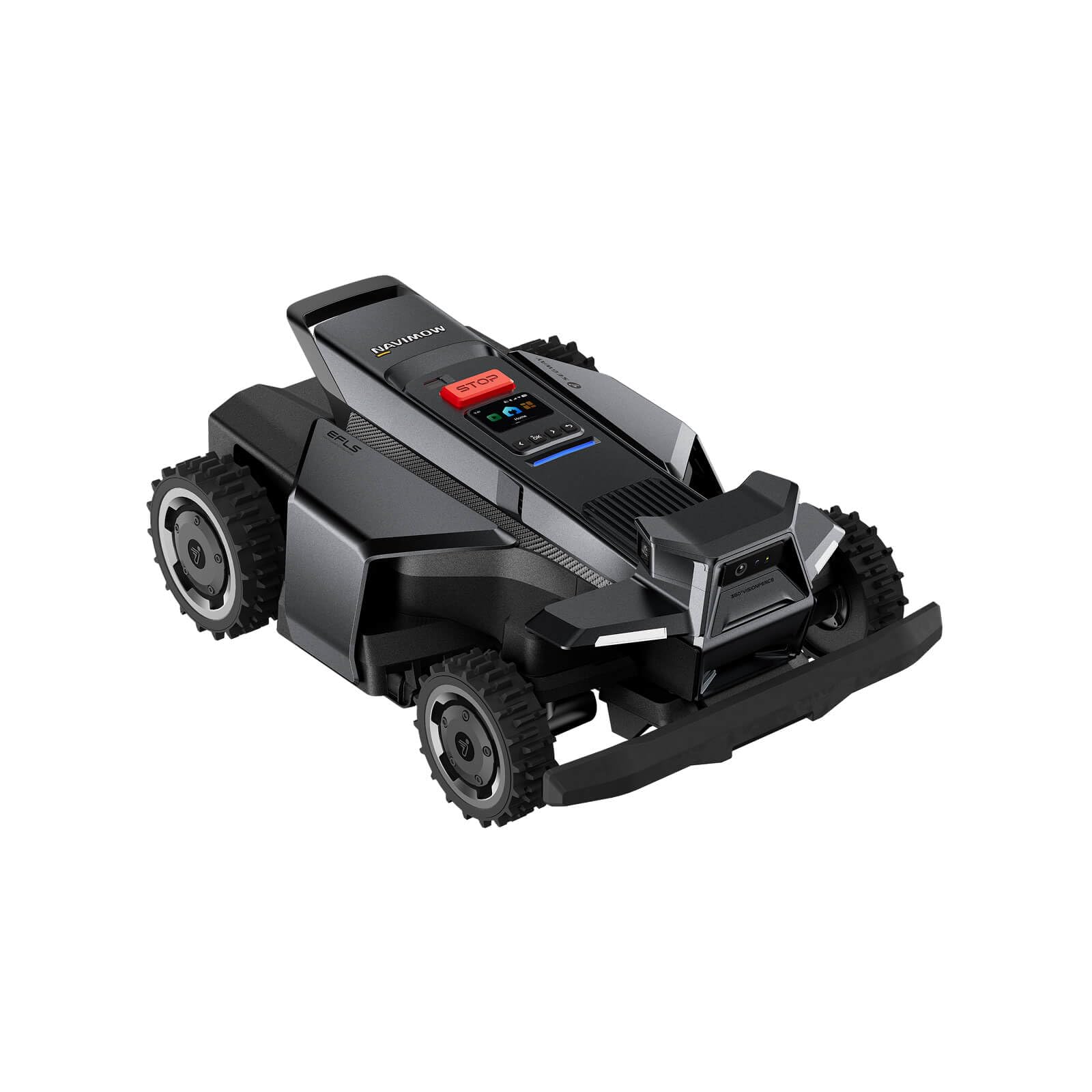
The Segway Navimow X450 is a wire-free robot lawn mower designed for homeowners with large, complex lawns up to 1.5 acres. It stands out with its all-wheel drive and ability to handle steep slopes up to 84%, making it a strong candidate for hilly properties where traditional robot mowers struggle. Its zero-turn steering and advanced navigation promise precise, damage-free mowing, but the premium price means it's an investment for those who value convenience and have challenging terrain.
The most impactful features are the 4WD system and the MowMentum cutting deck. The dual 180W motors drive two cutting discs with 12 blades, providing a 17-inch cutting width and a mowing speed of 2.6 ft/s. This combination allows the X450 to cover ground efficiently, reducing the time you spend on lawn care. The Xero-Turn AWD steering with smart traction control balances torque and agility, preventing turf scuffing even when turning sharply, which is a common issue with less sophisticated robot mowers.
Setup is designed to be hands-free: one-tap auto mapping creates a map of your lawn without wires or antennas. You can then edit the map using GeoSketch, track the mower via GPS, and receive alerts for geofence breaches or if the mower is lifted. Voice control via Alexa or Google Home adds another layer of convenience. The EFLS tri-frequency RTK combined with 360° vision and VIO ensures centimeter-level accuracy even under trees or along fences, and the AI-powered VisionFence can identify over 200 types of obstacles to avoid.
While the X450 is impressive, it's not without drawbacks. The price is high, which may be hard to justify for smaller or simpler lawns. The system depends on GPS/RTK signal; if your yard has heavy tree cover or is in a location with poor satellite reception, you might experience occasional navigation issues. Also, there's no mention of a rain sensor, so you may need to monitor weather conditions to avoid mowing in wet grass, which can be less effective and potentially damage the lawn.
In conclusion, the Segway Navimow X450 is a top-tier robot mower for homeowners with large, hilly, and obstacle-rich properties who want a wire-free, hands-off mowing experience. Its strength lies in its terrain handling and precise navigation. However, if your lawn is flat, small, or you're on a tight budget, a less expensive robot mower or a traditional self-propelled mower might be a more practical choice.
All-Wheel Drive with ORV-Tuned Suspension: The X450 uses a dual suspension system that keeps all four wheels in contact with the ground, allowing it to climb slopes up to 84% and cross obstacles up to 2.8 inches. This is crucial for lawns with uneven terrain, steep inclines, or roots and rocks, ensuring stable and consistent mowing.
Zero-Turn Steering: With Xero-Turn AWD, the mower can pivot in place, which reduces the need for wide turns and prevents turf scuffing. This feature is especially beneficial for lawns with many flower beds, trees, or tight corners, as it allows precise maneuvering without damaging the grass.
MowMentum Cutting System: Dual 180W motors power two cutting discs with 12 blades, providing a 17-inch cutting width and a mowing speed of 2.6 ft/s. This combination means fewer passes and shorter mowing times, ideal for large lawns. The adaptive blade control adjusts to grass conditions, and EdgeSense reduces trimming margins to under 2 inches, so less manual edging is needed.
Hands-Free Setup and Control: One-tap auto mapping creates a map without wires or antennas, and you can edit it with GeoSketch. GPS tracking and geofence alerts keep you informed, and voice control via Alexa or Google Home lets you start or stop mowing with simple commands. This is a major convenience for tech-savvy users who want minimal interaction.
Elite Positioning and Obstacle Avoidance: The EFLS tri-frequency RTK combined with 360° vision and VIO provides centimeter-level accuracy even in challenging conditions like under trees or along fences. The AI-powered VisionFence can recognize over 200 types of obstacles, ensuring the mower avoids them safely. This makes it reliable for complex lawns with many potential hazards.
Best For: The Segway Navimow X450 is ideal for homeowners with large lawns (up to 1.5 acres) that feature slopes, uneven ground, or many obstacles. It's also a great fit for those who want a wire-free setup and appreciate advanced smart features like voice control and app-based mapping.
Consider Alternatives If: If your lawn is under half an acre, flat, or you're on a budget, a smaller or less expensive robot mower might be more appropriate. Also, if your yard has dense tree cover that could interfere with GPS/RTK signals, you might face navigation issues, so consider a model with boundary wires or a different navigation system.
Setup and Daily Use: Setup involves placing the mower in your yard, using the app to initiate one-tap auto mapping, and letting it create a map of your lawn. You can then adjust the map with GeoSketch if needed. Daily use is mostly hands-off: schedule mowing times via the app, and the mower will return to its charging station when done. Voice control adds convenience for starting or stopping mowing on the fly.
Maintenance Requirements: Regular maintenance includes cleaning the blades and underside of the mower after each use, especially if you mow in wet or dusty conditions. Blades will need periodic sharpening or replacement, which is typical for any mower. The battery is lithium-ion and should be stored properly during off-season. No oil changes or filters are needed, which is a benefit over gas mowers.
What Sets It Apart: Unlike many robot mowers that require a perimeter wire, the X450 uses a combination of RTK GPS and vision to navigate, making setup easier and eliminating the risk of wire damage. Its 4WD capability and high slope rating set it apart from most competitors, which typically struggle on inclines above 20-30%. The zero-turn steering and advanced obstacle detection also place it in the premium segment of robot mowers.
Large Lawns: With a 17-inch cutting width and 2.6 ft/s mowing speed, the X450 can efficiently cover up to 1.5 acres. This translates to fewer hours of mowing compared to smaller robot mowers, making it suitable for large properties where time is a factor.
Sloped and Uneven Terrain: The 4WD system and ORV-tuned suspension are designed for slopes up to 84% and obstacles up to 2.8 inches. This makes it one of the few robot mowers that can handle steep hills and rocky ground without getting stuck or tipping over, opening up possibilities for homeowners with challenging yards.
Complex Landscapes: The zero-turn steering and obstacle avoidance system allow it to navigate tight spaces, narrow passages, and around flower beds, trees, and garden furniture. The AI-powered VisionFence recognizes over 200 obstacle types, reducing the risk of collisions and ensuring the mower stays on course.
Wire-Free Convenience: The absence of perimeter wires means no installation hassle, no wire breaks from digging or weather, and no need to re-lay wires if you change your lawn layout. The one-tap auto mapping simplifies initial setup, and the GeoSketch feature lets you customize mowing zones without physical markers.
Smart Home Integration: Voice control via Alexa or Google Home allows you to start, stop, or schedule mowing with simple commands, integrating seamlessly into a smart home ecosystem. GPS tracking and geofence alerts provide peace of mind, especially if you're away from home.
Pros
- Eliminates perimeter wire installation, saving time and avoiding wire breakage
- Precise navigation under trees and along fences where GPS may fail
- Strong cutting torque handles dense, fast-growing grass and uneven terrain
- Fast charging reduces downtime for efficient scheduled mowing
- Customizable zones and no-go areas offer flexibility for complex yards
Cons
- High upfront cost may not suit budget-conscious buyers
- Reliance on app for full functionality may be a drawback for those preferring manual controls
- No evidence of slope handling or rain sensor capabilities; verify for your yard's conditions
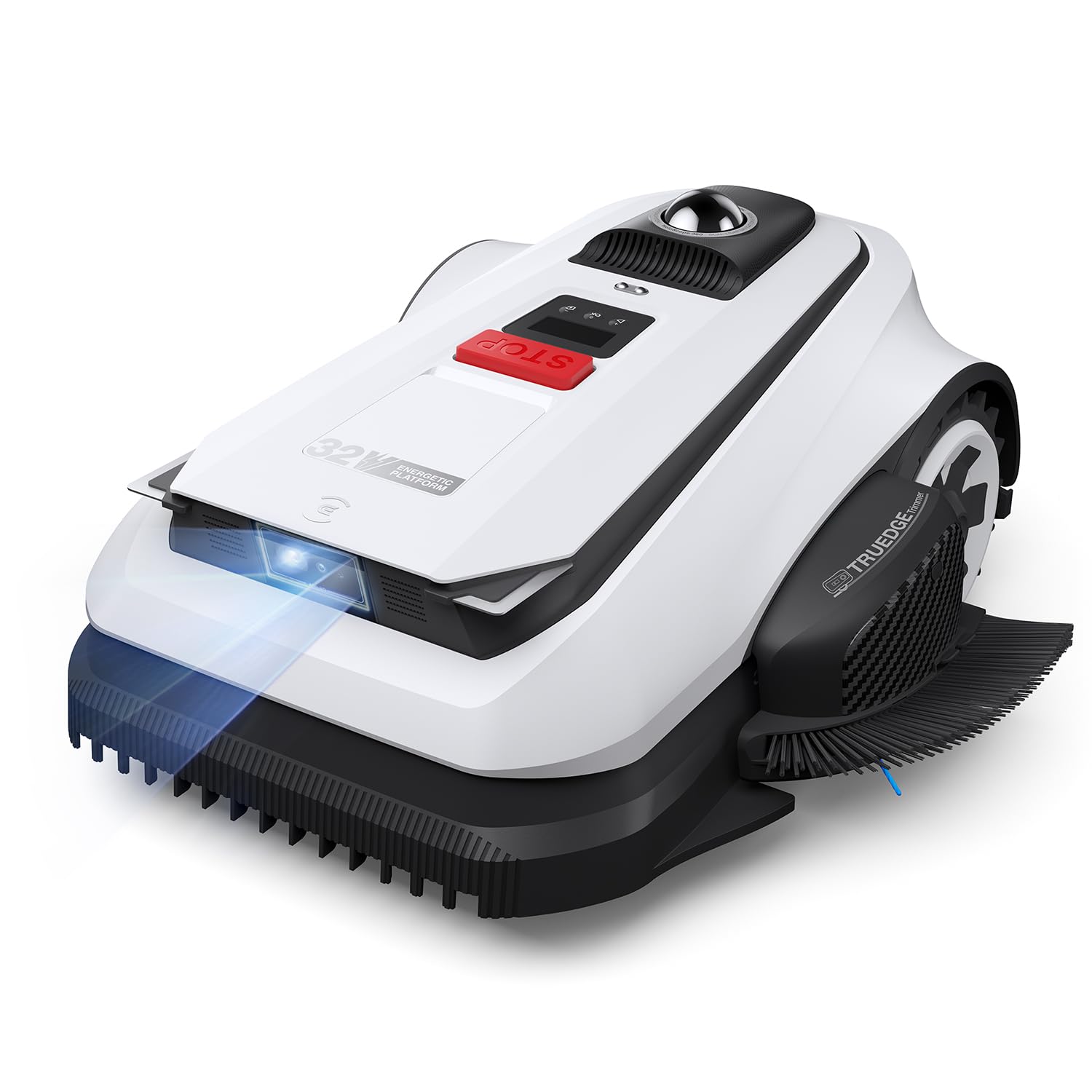
The ECOVACS Goat A3000 LiDAR PRO is a wire-free robotic lawn mower designed for medium to large yards up to 3/4 acre. Its standout feature is the HoloScope 360° Dual-LiDAR system, which maps your yard without the need for perimeter wires or RTK antennas, maintaining 2 cm accuracy even in shaded areas where GPS-based mowers struggle. This makes it an excellent choice for homeowners with complex landscapes or those who want a clean, wire-free installation.
The mower is built for American grass types like Bermuda, Zoysia, Fescue, and St. Augustine, thanks to its 32V high-power platform and dual-blade disc system. This provides strong cutting torque and fast blade rotation, enabling it to handle dense, fast-growing grass and uneven terrain. The built-in TruEdge trimmer further enhances its capability by trimming edges along sidewalks, driveways, and flower beds, reducing the need for manual string trimming.
Powering the mower is a 7500 mAh battery with 189W fast charging, which fully recharges in approximately 70 minutes. This allows for extended runtime and reduced downtime, making it suitable for scheduled lawn maintenance. The ECOVACS app provides comprehensive control, allowing you to edit maps, create multiple mowing zones, set no-go areas, adjust cutting height and speed, and define travel paths between zones. This level of customization is ideal for complex yard layouts.
However, the mower's high price point may be a barrier for some buyers. Additionally, since all management is through the app, users who prefer manual controls may find it limiting. The product data does not specify slope handling or rain sensor capabilities, so if your yard has steep slopes or you live in a rainy area, you may need to verify these features before purchase.
Alternatives could include robot mowers with GPS navigation or those with perimeter wires, but they may lack the same precision or require more installation effort. For a homeowner with a 3/4-acre yard, thick grass, and a desire for wire-free convenience, the ECOVACS Goat A3000 LiDAR PRO is a strong contender. Before buying, ensure the app supports your needs and check for any additional accessories or requirements not mentioned in the product data.
Strong Match: The ideal buyer is a tech-savvy homeowner with a medium to large lawn (up to 3/4 acre) who values convenience and wants to avoid the hassle of installing perimeter wires. They likely have a complex yard with trees, fences, or shaded areas where GPS-based mowers may fail, and they appreciate precise navigation and app control.
Also Consider It If: You have thick, fast-growing grass like Bermuda or St. Augustine and need a mower with strong cutting power. The 32V system and dual-blade disc are designed to handle such conditions, and the TruEdge trimmer reduces manual edge trimming.
Not the Best Fit: If you have a small lawn under 1/4 acre, this mower may be overkill, and a simpler, less expensive model could suffice. Also, if you prefer a mower that doesn't rely on a smartphone app for essential functions, or if you have steep slopes that require specific slope ratings not mentioned in the data, this may not be the right choice.
Decision in One Sentence: The ECOVACS Goat A3000 LiDAR PRO is best for homeowners with up to 3/4 acre, thick grass, and a desire for wire-free, app-controlled mowing, provided they are willing to invest in a premium product and trust the app ecosystem.
Consider It For:
- Wire-free installation: No perimeter wire or RTK antenna needed, saving time and avoiding wire breakage.
- Precise navigation: Dual-LiDAR maintains 2 cm accuracy even under trees or along fences, ensuring consistent coverage.
- Strong cutting power: 32V system with dual blades handles thick American grass and uneven terrain.
- Fast charging: 189W charger recharges the 7500 mAh battery in about 70 minutes, reducing downtime.
- Customizable app control: Create zones, no-go areas, and adjust settings for a personalized mowing schedule.
Pass If:
- Budget is a primary concern: The price is high, and there may be more affordable robot mowers with similar features.
- You prefer manual controls: The mower relies heavily on the app for setup and adjustments, which may not suit everyone.
- Your yard has steep slopes: The product data does not mention slope handling, so check if it meets your needs.
- You live in a rainy area: No rain sensor is mentioned, so you may need to monitor weather conditions manually.
Pros
- Eliminates perimeter wire installation, saving time and avoiding wire breakage issues
- LiDAR navigation maintains accuracy in shaded and obstructed areas, unlike GPS mowers
- Built-in edge trimming cuts down on post-mow manual work
- Advanced obstacle detection enhances safety for kids, pets, and landscaping
- App-controlled zones and no-go areas allow tailored mowing schedules
Cons
- Designed for lawns up to 1/4 acre; larger yards need a different model or additional passes
- Initial setup may require multiple adjustments for unique lawn layouts, per manufacturer
- Complex corners, narrow gaps, or raised edges may still need manual trimming
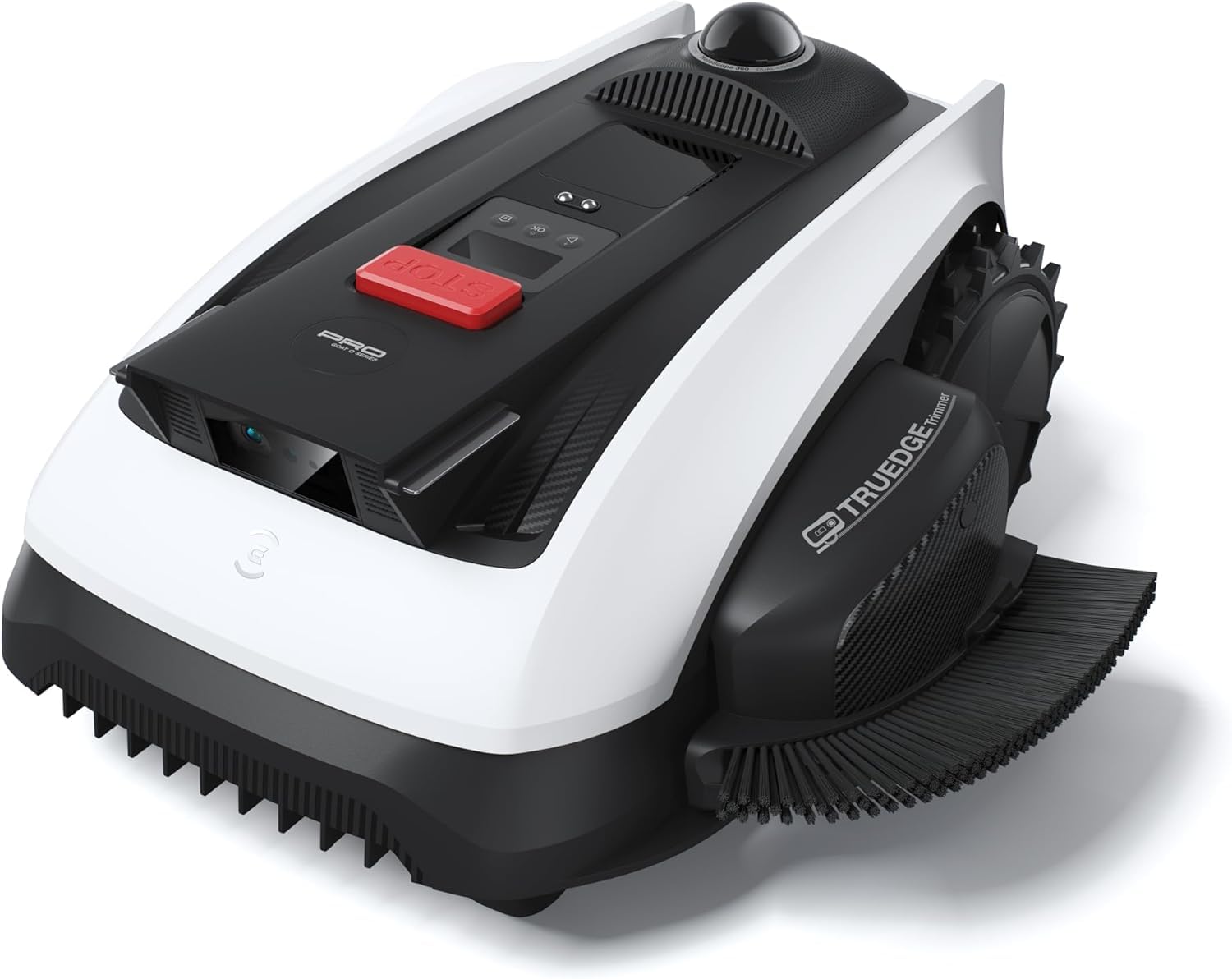
The ECOVACS Goat O1000 LiDAR PRO is a wire-free robotic lawn mower aimed at homeowners with compact lawns up to 1/4 acre who want the convenience of automation without the hassle of installing a perimeter wire. Its standout feature is the HoloScope 360° Dual-LiDAR system, which maps your yard and provides 2 cm positioning accuracy even in challenging conditions like under trees or near fences, where GPS-based mowers often lose signal. This makes it a strong fit for yards with shade or boundary complexities.
Beyond navigation, the integrated TruEdge trimmer is a practical addition. It allows the mower to cut along driveways, sidewalks, and flower beds, reducing the need for manual string trimming. For most borders, this delivers a clean edge, though the manufacturer notes that highly complex corners, narrow gaps, or raised edges may still require occasional manual attention. The AI Vision and 3D ToF LiDAR obstacle detection system identifies over 200 types of obstacles, from toys to pets, with precision down to 5 cm, offering peace of mind for families.
The ECOVACS app enables you to create mowing zones, set schedules, and define no-go areas, giving you control over where the mower operates. The super-narrow body (0.8 m) allows it to navigate tight paths and side lawns that larger robots cannot reach, making it versatile for complex layouts. However, initial setup may require fine-tuning to optimize performance for your specific lawn shape, as the manufacturer acknowledges.
While the O1000 LiDAR PRO is feature-rich, it is not for everyone. Its 1/4-acre capacity is a hard limit; owners with larger lawns will need to consider a higher-capacity model or be prepared for multiple mowing sessions. The 4.1-star rating from 128 reviews indicates some users may encounter issues with setup or edge performance, so be prepared to invest time in the initial configuration. If you value a wire-free, precise, and obstacle-aware mower for a small to medium yard, this is a compelling option, but verify your lawn's size and complexity before purchasing.
Strong Match: Homeowners with lawns up to 1/4 acre who want to avoid the labor of installing a perimeter wire and prefer a mower that can handle shaded or obstructed areas with high precision.
Also Consider It If: You have a complex yard with narrow pathways, tight corners, or irregular borders where a standard robot mower might struggle; the narrow body and edge trimming are designed for such spaces.
Not the Best Fit: If your lawn exceeds 1/4 acre, you will need a robot mower with a larger capacity, as this model may not cover the area efficiently. Also, if you are not comfortable with app-based setup and troubleshooting, the initial learning curve could be a drawback.
Decision in One Sentence: The ECOVACS Goat O1000 LiDAR PRO is ideal for tech-savvy homeowners with small to medium lawns who want wire-free, precise, and obstacle-aware mowing, provided they are willing to invest time in setup and have realistic expectations about edge trimming in complex areas.
Consider It For:
- Wire-free setup eliminates the chore of burying perimeter wire, a common pain point with other robot mowers.
- LiDAR navigation works reliably in shaded areas, under trees, and near fences, where GPS mowers often fail.
- The integrated TruEdge trimmer reduces manual edge trimming, saving you time after mowing.
- Advanced obstacle detection protects kids, pets, and landscaping, adding safety to convenience.
- App control with custom zones and no-go areas gives you flexibility to tailor mowing to your lawn's needs.
Pass If:
- Your lawn is larger than 1/4 acre; this mower is not designed for bigger areas, and you may need a more powerful model.
- You prefer a set-and-forget experience; initial setup may require several adjustments to get it right, as noted by the manufacturer.
- Your lawn has many complex corners, narrow gaps, or raised edges; you may still need to manually trim those areas.
- You are not comfortable with app-based configuration and troubleshooting; the learning curve could be a barrier.
Pros
- Ideal for owners who want a wire-free setup, saving installation time and effort.
- Vision AI and RTK fusion maintain navigation even in shaded areas.
- App control allows flexible zone management and remote monitoring.
- Cut-to-edge border cutting reduces leftover grass along boundaries.
- Cloud-based RTK requires no local antenna, reducing hardware setup.
Cons
- Moderate customer rating (3.5/5) suggests potential reliability or performance issues.
- Limited review count means long-term durability and support are unproven.
- No specifications provided for cutting width, battery life, or charging time, so buyers must verify these details.
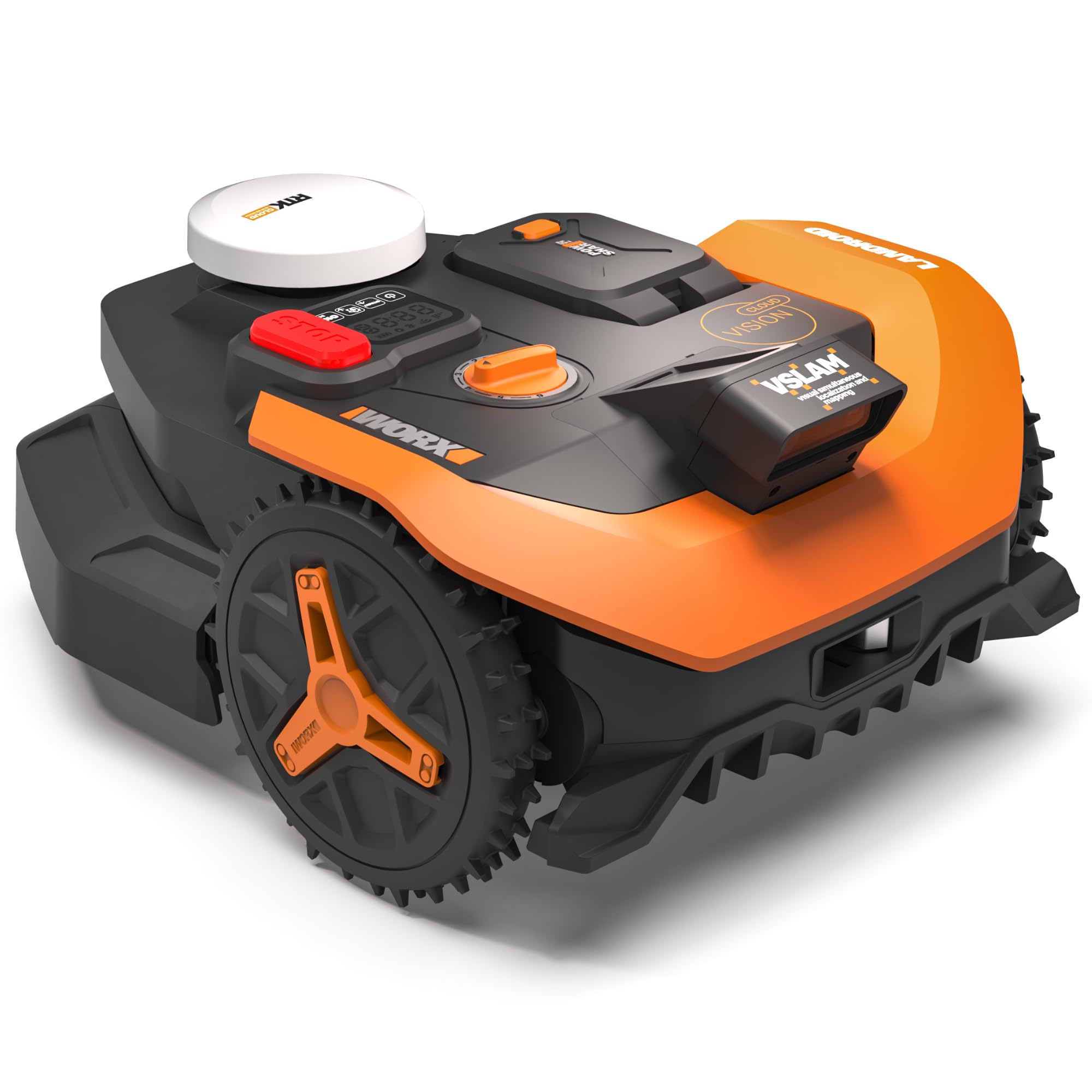
The WORX WR310 Vision Robot Lawn Mower is designed for homeowners with a quarter-acre lawn who want to eliminate the hassle of installing perimeter wire. Its key selling point is the combination of RTK cloud technology and Vision AI, which enables automatic mapping and obstacle avoidance without any local antenna or wire. For the right user, this mower promises a hands-off mowing experience with app-based control and multiple mowing patterns.
In daily use, the mower's ability to map your lawn automatically and navigate around obstacles means you can set it to mow and monitor it from your phone. The app allows you to define zones, set no-go areas, and even remotely control the mower, which is convenient for managing complex yards. The RTK cloud accuracy ensures consistent straight lines and edge cutting, which should reduce the need for manual trimming along borders.
However, the product's moderate rating (3.5 out of 5) and relatively few reviews indicate that not all owners have had a flawless experience. While the manufacturer claims reliable navigation in shade and intelligent obstacle avoidance, these are unverified claims. Potential buyers should be aware that long-term reliability, battery life, and customer support are not yet established by a large body of user feedback.
Before purchasing, it's crucial to verify the mower's physical dimensions to ensure it fits through your gates and can navigate your yard's terrain. Also, check the cutting width and height adjustments to see if they meet your lawn's needs. Since no specifications are provided, you'll need to contact WORX or consult the manual for details on battery life, charging time, and maintenance requirements.
This mower is best suited for tech-savvy homeowners who appreciate app-based control and want a wire-free installation. It may not be ideal for those who prefer a simpler, more established product with a proven track record. If you're willing to take a chance on newer technology and can verify the missing details, the WR310 could be a convenient addition to your lawn care routine.
Best Ownership Fit: This mower is ideal for a homeowner with a quarter-acre lawn who is comfortable using smartphone apps and wants to avoid the labor of installing boundary wire. It suits a tech-savvy user who values automated mowing and is willing to troubleshoot initial setup.
Daily Workflow: After initial mapping, you would schedule mowing sessions via the app. The mower navigates using RTK and Vision AI, avoiding obstacles and returning to its charging station when needed. You can monitor progress and adjust zones remotely, but you'll need to periodically check for stuck situations or error alerts.
Likely Friction: The main friction is the lack of long-term reliability data. With a moderate rating and few reviews, you may encounter unexpected issues that require customer support, which is unverified. Additionally, the mower's performance in very complex or steep terrain is unknown.
Before You Buy: Verify the mower's physical dimensions to ensure it fits through gates and can navigate your yard's obstacles. Check the cutting width and height adjustments to match your grass type. Confirm the battery life and charging time, as these are not provided. Also, check if any additional accessories are included, such as a charging station or boundary markers, and clarify the warranty terms.
Initial Setup: The mower uses RTK cloud technology, so no perimeter wire or local antenna installation is required. You'll need to download the companion app, connect the mower to your Wi-Fi, and follow the app's instructions to create an initial map. The Vision AI system is designed to automatically map your lawn, but you may need to supervise the first few runs to ensure it covers all areas.
Controls: All controls are managed through the app, including scheduling, zone management, and remote control. The app allows you to define no-go areas and edit the map. There is no physical control panel mentioned, so the app is essential.
Cleaning: Regular cleaning of the mower's underside and blades is necessary to maintain cutting performance. You should check for grass clippings and debris after each use and clean the sensors and camera lenses to ensure navigation accuracy. The manufacturer's instructions should be followed for safe cleaning.
Maintenance: Blades will need periodic replacement, but the replacement schedule and type are not specified. You should verify with the manufacturer the recommended maintenance intervals and where to purchase spare parts. The mower's battery will also require care, but charging time and lifespan are not provided.
Storage: When not in use, the mower can be stored in a garage or shed, but ensure it is kept dry and at a moderate temperature. The charging station should be installed in a location with good Wi-Fi and clear sky view for RTK signals.

roborock RockMow X120H LiDAR AWD Robot Lawn Mower: Premium Wire-Free Mowing for Steep, Complex Lawns
Pros
- Wire-free installation saves hours of burying perimeter wire and avoids RTK base station clutter
- AWD and dynamic suspension maintain stable cutting on steep slopes and uneven ground
- AI vision plus LiDAR should reduce stuck-mower interruptions and protect pets and people
- Wider 9.49-inch deck cuts more per pass, reducing total mowing time for medium yards
- Included 3-year 4G plan and anti-theft tracking provide remote monitoring and security
Cons
- No verified customer reviews yet, so real-world performance and reliability are unproven
- Premium price point may be hard to justify for flat, simple lawns that cheaper robot mowers handle
- Lack of published battery runtime and charging specs leaves ownership planning unclear
The roborock RockMow X120H is a wire-free, AWD robot lawn mower designed for homeowners with up to 0.49 acre of turf who want to avoid the traditional hassles of perimeter wires and RTK base stations. Its strongest appeal is for those with steep slopes and complex obstacles, thanks to an 80% slope rating and advanced navigation. However, the lack of verified reviews and a high price make it a cautious recommendation for early adopters.
This mower sits at the premium end of the robot mower market, targeting buyers who are willing to pay for convenience and advanced technology. It eliminates the most tedious part of robot mower setup—burying boundary wires—by using a 360° 3D LiDAR and dual-vision camera system to map the yard in minutes with centimeter-level accuracy. This is a significant advantage for those who want a truly plug-and-play experience.
Performance features include a heavy-duty AWD system with patented Active Steering, which promises to handle steep inclines and obstacles up to 3.15 inches without damaging turf. The floating cutting deck and dynamic suspension aim to keep the blades consistent on uneven ground. The 9.49-inch cutting width is wider than many competitors, and the adjustable height (1.57 to 3.54 inches) suits common US grass types. The smart app allows multi-zone scheduling and real-time monitoring, while built-in 4G (with 3-year subscription included) enables remote control and anti-theft tracking.
Potential limitations include the lack of published battery runtime and charging time, which are critical for planning mowing sessions. The price is high, and for flat, simple lawns, a less expensive robot mower might suffice. Additionally, the reliance on 4G connectivity means you need cellular coverage in your area, and the long-term cost of 4G after the included 3 years is unknown.
In conclusion, the RockMow X120H is a compelling choice for tech-savvy homeowners with challenging terrain who value wire-free setup and advanced obstacle avoidance. But given the absence of verified reviews, it’s wise to research owner feedback and confirm battery specs before committing. If you have a steep, obstacle-filled yard and want to avoid wire installation, this mower could be a game-changer; otherwise, consider simpler, more proven options.
Strong Match: Homeowners with up to 0.49 acre of lawn that includes slopes up to 80% and various obstacles like trees, garden furniture, or toys. The AWD and AI obstacle avoidance are specifically designed for such challenging environments.
Also Consider It If: You want a completely wire-free setup and dislike the idea of burying perimeter wire or installing an RTK base station. The LiDAR and dual-vision mapping promise a quick, hassle-free installation.
Not the Best Fit: Buyers with flat, simple lawns who don’t need advanced slope handling or who are on a tight budget. The premium price is hard to justify for basic mowing needs.
Decision in One Sentence: If you have a steep, complex lawn up to half an acre and want a premium, wire-free robot mower, the RockMow X120H is a strong candidate—provided you’re comfortable with its price and the lack of verified reviews.
Consider It For:
- Steep slopes up to 80% and obstacles up to 3.15 inches, thanks to AWD and active steering.
- Wire-free setup with 3D LiDAR and dual-vision mapping, avoiding perimeter wire and RTK base station.
- AI obstacle avoidance that detects toys, furniture, and pets for safer, uninterrupted mowing.
- Wider 9.49-inch cutting deck for faster coverage on medium-sized lawns.
- Included 3-year 4G connectivity and anti-theft tracking for peace of mind.
Pass If:
- You have a flat, simple lawn and don’t need advanced slope handling or wire-free convenience.
- You’re on a budget and prefer a more affordable robot mower with proven track record.
- You need to know battery runtime and charging time before purchase, as these specs are not provided.
- You prefer to wait for verified owner reviews before investing in a premium product.
Pros
- Wire-free setup eliminates perimeter wire installation hassle
- RTK Cloud and V-SLAM fusion maintain accuracy even in shaded areas
- AI obstacle avoidance reduces interruptions and potential collisions
- App control offers flexible zone management and remote operation
- Cut-to-edge design minimizes missed grass along borders
Cons
- Only one customer review, so real-world reliability and support are unverified
- No cut width, runtime, or charging time specifications provided
- Price point is high for a 1/4-acre mower, and long-term durability is unknown
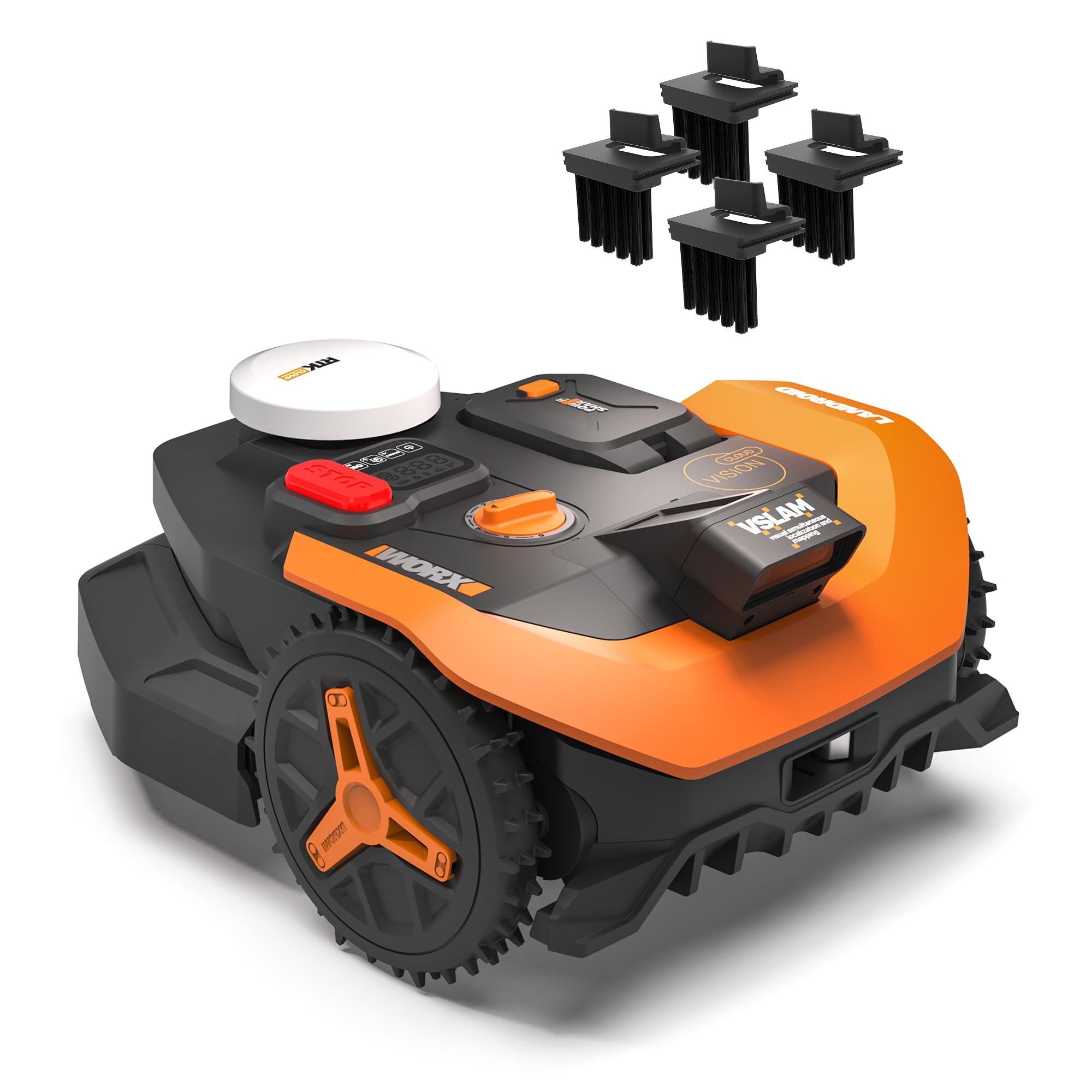
The WORX Robot Lawn Mower for 1/4 Acre (WO7144) is a wire-free robotic mower that leverages RTK Cloud and Vision AI for precise, autonomous mowing. It targets homeowners with small to medium lawns who want to eliminate the hassle of installing boundary wires. The strongest reason to consider it is its advanced navigation system, which promises centimeter-level accuracy and automatic mapping without extra hardware costs.
This mower appears designed for tech-oriented users who value convenience and smart features. The Vision AI system uses a neural network to recognize obstacles and boundary types, enabling smooth paths and close edge cutting. The app allows unlimited zones, custom paths, and no-go areas, giving owners granular control. Additionally, the RTK Cloud and V-SLAM fusion ensures reliable operation even in shaded areas, a common weakness for GPS-only mowers.
However, critical specifications such as cut width, runtime, and charging time are absent, making it hard to assess practical coverage per charge. The mower includes 6 spare blades and wheel brushes, but maintenance details are not provided. For a 1/4-acre lawn, users should verify if the battery can complete a full mow in one session.
Given the limited user feedback (only one review), potential buyers should weigh the lack of long-term reliability data. If you have a simple, flat lawn and prefer proven reliability, a traditional wire-guided robot or a push mower might be safer. Alternatives with more established track records exist, but this WORX offers cutting-edge AI features that may justify the premium for early adopters.
In conclusion, the WORX WO7144 is a promising wire-free robot mower with impressive navigation tech, but its suitability depends on your willingness to accept uncertainty. Before purchasing, confirm the cut width, battery runtime, and warranty terms, and check for recent user experiences to ensure it meets your expectations.
Strong Match: Tech-savvy homeowners with a 1/4-acre lawn who value convenience and are comfortable using a smartphone app to manage mowing zones and patterns.
Also Consider It If: You have a shaded yard or irregular boundaries where traditional GPS mowers struggle; the V-SLAM and Vision AI are designed to handle such conditions.
Not the Best Fit: If you prefer a simple, low-maintenance robot without app complexity, or if you need proven reliability and extensive user reviews, this early-stage product may not be for you.
Decision in One Sentence: The WORX WO7144 is a feature-rich wire-free robot mower for tech enthusiasts, but its limited track record means you should weigh the advanced navigation against the lack of verified performance.
Consider It For:
- Wire-free setup eliminates the effort of installing perimeter wires.
- RTK Cloud provides centimeter-level accuracy without extra antenna costs.
- AI obstacle avoidance helps prevent collisions and interruptions.
- App-controlled zones and patterns offer customization and remote monitoring.
- Cut-to-edge design reduces missed grass along borders.
Pass If:
- You need clear specifications on cut width, runtime, and charging time before buying.
- You rely on extensive user reviews to judge reliability and support.
- You prefer a simple, no-frills mower without app dependence.
- Your lawn is larger than 1/4 acre or has steep slopes that may exceed the mower's capabilities (not specified).
Buying Guide
Robot mower pricing in this comparison spans roughly $590 to just under $3,000, and that range maps fairly directly to lawn size and terain complexity rather than brand prestige alone. Entry-level and mid-range models between $589 and $1,130 — the YARDCARE M800Plus, WORX WO7144, Segway Navimow i110N,ECOVACS Goat O1000, MOVA LiDAX Ultra 1000, and WORX WR310 — are all built around a quarter-acre or smaller footprint (the YARDCARE model tops out around 8,611 sq. ft. instead). This tier is where most suburban buyers with a simple to moderately complex yard should be shopping. The premium tier, from roughly $1,849 to $2,999, covers the ECOVACS Goat A3000, Segway Navimow X450, and roborock RockMow X120H — machines built for larger acreage, steeper slopes, or thicker turf, and priced accordingly.
The single most common mistake in this category is buying based on cutting-edge navigation claims without checking whether the lawn size actually matches the mower’s stated capacity. A LiDAR system with centimeter-level accuracy is irelevant if the mower is only rated for a quarter acre and the yard is three-quarters of an acre. A second common mistake is ignoring review evidence in favor of spec sheets. Several models here — the WORX WO7144 with a single suplied review, and the roborock RockMow X120H with a supplied rating of 2 — have compelling feature lists but thin or weak evidence that those features perform as described once a mower is actually running unattended. A third mistake is overlooking long-term protection: robotic mowers and their charging stations sit outdoors year-round, and a rainproof, UV-prof shelter like the CNAINFC-style Robot Mower Garage (compatible with brands including Segway Navimow, ECOVACS, WORX, and Husqvarna) is a low-cost way to extend the mower’s service life against rain, hail, and sun exposure.
Key Factors to Consider:
- Match lawn size to the mower’s stated capacity first, before comparing any other feature — capacities in this set range from roughly 1,600 sq. ft. up to 1.5 acres.
- Understand the navigation type: RTK-based systems (Navimow i110N, WORX models) typically rely on a GNSS antenna or cloud connection, while dual-LiDAR systems (ECOVACS Goat line, MOVA LiDAX) market themselves as antenna-free with claimed shade performance.
- Check slope tolerance if the yard has grade changes — suplied slope ratings range from 35% (YARDCARE M800Plus) up to 84% (Navimow X450), and several listings don’t state a slope figure at all.
- Weigh edge-cutting and trimming claims carefully — built-in trimmers (ECOVACS TruEdge, Navimow X450’s EdgeSense) reduce but don’t always eliminate manual trim work in tight corners, per the manufacturers’ own notes.
- Factor in zone management needs — some models offer unlimited or up to 150 managed zones with app-based editing, which matters more for iregularly shaped or multi-section yards than for a single open lawn.
- Read the supplied review count alongside the star rating, not just the rating alone — a 4.0 rating on 490 reviews caries different weight than a 4.0 rating on 19 reviews.
- Budget for accessories like a weatherproof shelter, since none of the mowers in this set include one, and outdoor exposure is a stated risk to charging stations and mower bodies.
Final Verdict & Recommendations
Best Overall: The Segway Navimow i110N earns the top overall recommendation for typical quarter-acre suburban lawns. It’s the only model in this set combining RTK-and-vision navigation, AI-assisted mapping, and multi-zone control with a substantial supplied review base (490 reviews at a 4.0 rating), giving buyers more real-world evidence than most competitors at a similar price.
Best Budget: The YARDCARE M800Plus, at roughly $590, is the least expensive mower in this comparison and covers a larger stated footprint (up to 8,611 sq. ft.) than several pricier quarter-acre models. Its lower supplied rating (2.8) means buyers should treat it as a value trade-off rather than a performance leader.
Best Premium: The Segway Navimow X450 justifies its near-$3,000 price for large, steep, or complex properties. Its 4WD system, 84% slope rating, dual 180W motors, and 17-inch cutting width target acreage and terrain that quarter-acre mowers simply can’t handle, backed by a 4.3 supplied rating.
Best for Complex or Shaded Yards: The ECOVACS Goat O1000 LiDAR PRO stands out for narow side yards, corridors as tight as 0.8 m, and lawns with heavy shade where GPS signal can be unreliable. Its dual-LiDAR system and built-in edge trimmer address problems that RTK-only systems handle less gracefully.
Best for Medium-to-Large Lawns: The ECOVACS Goat A3000 LiDAR PRO fits the gap between quarter-acre mowers and the full-size Navimow X450, covering up to three-quarters of an acre with a 32V cutting platform suited to denser grass types like Bermuda and Zoysia.
One model to approach cautiously: the roborock RockMow X120H carries a supplied rating of only 2, despite premium pricing near $2,500 and an80% slope claim. Strong specifications alone shouldn’t outweigh weak review evidence at this price point.
Frequently Asked Questions
Do robot lawn mowers need a perimeter wire?
Not in this comparison. Every mower reviewed here is described as wire-free, using either RTK positioning (sometimes paired with a GNSS antenna or cloud service), LiDAR, or vision-based AI mapping instead of a buried boundary wire. Some models still require suporting hardware, such as an antenna kit or a magnetic no-go strip for restricted zones, so “wire-free” doesn’t always mean zero physical setup. Always check what’s included in the box, since setup requirements vary by navigation type even among wire-free models.
What size lawn do I need before buying a robot mower?
Match your actual lawn square footage to the mower’s stated capacity before comparing any other feature. In this set, capacities range from about 1,600 sq. ft. up to 1.5 acres, with several models caped at exactly one-quarter acre. Buying a mower rated below your lawn size will likely result in incomplete coverage or excessive charging cycles, while buying well above your needs means paying for slope and zone capabilities you won’t use.
Can robot mowers handle sloped yards?
Slope tolerance varies significantly across the supplied listings. The YARDCARE M800Plus is rated for slopes up to 35% (20°), the MOVA LiDAX Ultra 1000 up to 45%, the roborock RockMow X120H up to 80%, and the Segway Navimow X450 up to 84% (40°). Several other listings, including the ECOVACS Goat A3000 and WORX models, don’t state a slope figure at all in the supplied data, so if your yard has meaningful grade changes, prioritize listings that explicitly disclose a slope rating.
Will a robot mower eliminate manual trimming completely?
Not necessarily. Several manufacturers are explicit that manual trimming may still be required in certain spots. ECOVACS notes that highly complex corners, narrow gaps, or raised edges on the Goat O1000 may still need occasional manual trimming despite its built-in TruEdge trimmer. Similarly, the YARDCARE M800Plus recommends manual trimming first if grass exceeds 2.6 inches. Built-in edge trimmers reduce manual work but aren’t guaranteed to eliminate it entirely, based on the manufacturers’ own suplied notes.
Why do some higher-priced models have lower customer ratings?
Price and review quality don’t always move together in this comparison. The roborock RockMow X120H is priced near $2,500 but carries a supplied rating of only 2, and the WORX WO7144 has an appealing feature list but only one supplied review. This suggests that a long specification list is not prof of reliable real-world performance. Weighing supplied review count and rating alongside the spec sheet is a more evidence-based way to shop than relying on price or feature density alone.
Do I need to protect a robot mower from weather?
The supplied evidence suggests yes. A rainproof, UV-proof shelter, such as the Robot Mower Garage compatible with brands including Segway Navimow, ECOVACS, WORX, and Husqvarna, is designed to protect the mower and its charging station from rain, hail, snow, and UV exposure, which the listing states can prolong the mower’s service life. None of the mowers in this comparison include such a shelter, so it’s worth budgeting for separately, especially in climates with harsh sun or frequent storms.
What’s the difference between RTK and LiDAR navigation in these mowers?
RTK-based models, like the Segway Navimow i110N and both WORX mowers, use satellite positioning enhanced with vision sensors or cloud processing, and some require a physical GNSS antenna. LiDAR-based models, like the ECOVACS Goat series and MOVA LiDAX Ultra 1000, use onboard sensors to map the yard in 3D without antenna, with manufacturers claiming better performance under trees or in shaded areas where satellite signal can weaken. Both approaches are represented among well-reviewed models in this comparison, so the better fit depends on how much tree cover or shade your yard has.