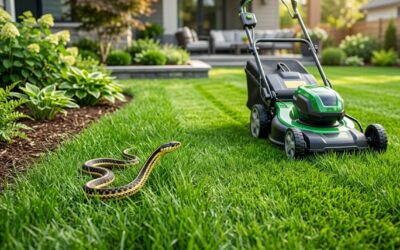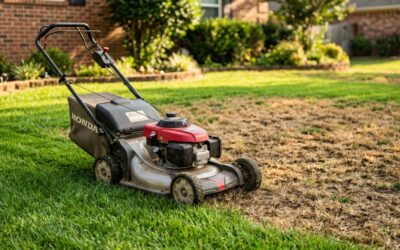

How Does Dog Poop Ruin Lawn Mowers?
Dog poop can absolutely ruin your lawn mower, primarily by contaminating the cutting deck, clogging discharge chutes, damaging blades, and causing corrosion. What this means for you is that failing to address pet waste before mowing can lead to costly repairs, poor lawn health, and a significant cleanup headache.
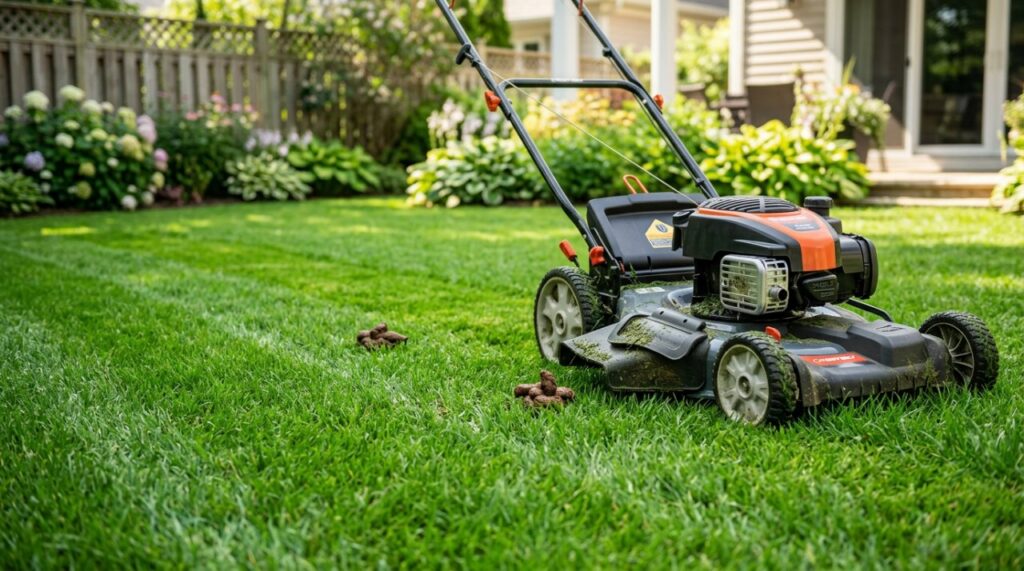
Expert Summary: Dog Poop and Lawn Mower Damage
- Direct Answer: Yes, dog feces can cause mechanical and hygiene issues in lawn mowers.
- Primary Damage Mechanism: The acidic nature of dog waste accelerates metal corrosion on the mower deck and blade bolts.
- Performance Impact: Waste creates clumps that block airflow, reduce cutting efficiency, and strain the engine.
- Long-Term Risk: Left uncleaned, it can lead to blade imbalance, rust-through of the deck, and unpleasant odors that attract pests.
- Critical Action: Always perform a visual inspection and remove any pet waste from your lawn before starting the mower.
Tools and Materials Needed
| Tool/Material | Purpose | Why It’s Essential |
|---|---|---|
| Broom or Rake | To gather and remove solid waste. | Prevents direct contact and spreading during mowing. |
| Garden Hose with Nozzle | For rinsing the mower deck and undercarriage. | Removes acidic residue that causes corrosion. |
| Plastic Scraper or Putty Knife | To dislodge dried-on debris. | Safely cleans the deck without scratching metal. |
| Stiff-Bristled Brush | For scrubbing the deck. | Helps remove stubborn, caked-on material. |
| Mild Dish Soap or Degreaser | To break down organic matter. | Neutralizes odors and sanitizes surfaces. |
| Protective Gloves | For hygiene and safety. | Protects your hands from bacteria and cleaning agents. |
Step-by-Step Guide: How to Prevent and Address Dog Poop Damage
Step 1: Inspect and Clear the Lawn Before Mowing
Walk your lawn and remove all visible dog feces with a pooper scooper or bag. This is the single most effective prevention step. What this means for you is a 90% reduction in direct mower contamination and cleanup time.
Step 2: Perform a Pre-Mower Deck Check
Before engaging the blades, flip the mower (on a flat surface, engine off and spark plug disconnected) or use a flashlight to inspect the cutting deck and discharge chute. Look for any leftover debris or dried waste.
Step 3: Address Any Immediate Contamination
If you find fresh or dried poop on the mower:
- Scrape: Use a plastic scraper to gently remove solid chunks.
- Rinse: Spray the area thoroughly with a garden hose, focusing on the deck’s interior and blade area.
- Scrub: Use a stiff brush with soapy water to clean the affected zone.
- Dry: Wipe down or allow to air dry completely to prevent rust.
Step 4: Clean the Mower After Every Use (If Poop Was Present)
This post-mow routine is non-negotiable for preventing long-term damage.
- Disconnect Power: Remove the spark plug wire for safety.
- Elevate/Tip: Safely tip the mower on its side (air filter and carburetor side up).
- Rinse and Scrub: Thoroughly rinse the deck with water. Use the brush and soapy water to scrub away all residue.
- Rinse Again: Flush with clean water to remove soap.
- Dry Thoroughly: Use a towel to dry the deck, or let it sit in the sun. Apply a light coat of silicone-based lubricant to the deck to repel future debris.
Step 5: Maintain Your Blades and Hardware
Dog waste is corrosive. Check your mower blades for signs of rust or pitting every month during mowing season. Inspect the blade bolt and deck mounting hardware for corrosion. Replace any rusted components immediately to maintain balance and safety.
Pro Tips from the Field
- Train Your Dog: Designate a specific potty area on a gravel or mulch patch away from the main lawn to minimize waste in mowing zones.
- Mow on a Dry Day: Always mow when the grass and any potential waste are dry. Wet feces smear and are far harder to clean off equipment.
- Use a Mulching Mower Cautiously: While mulching chops clippings fine, it will also chop and spread pet waste, increasing contamination. Side-discharge or bagging is preferable if waste is present.
- Consider a “Mowing Day” Routine: Make waste inspection and removal the first step of your mowing ritual.
Common Mistakes to Avoid
- Mowing Over Fresh Waste: This is the primary error. It guarantees contamination of your entire mower deck and spreads bacteria across the lawn.
- Ignoring Dried-on Debris: It may seem harmless, but dried feces still contain acids that will slowly corrode metal and attract insects.
- Using a Pressure Washer Incorrectly: Avoid blasting water directly at bearings, seals, or electrical components. Use a gentle spray for cleaning.
- Skipping the Post-Mow Rinse: Assuming a quick scrape is enough will lead to buildup and rust over time.
Frequently Asked Questions
Q: Can dog poop damage a riding lawn mower differently than a push mower?
A: Yes. A riding mower has a larger, more complex deck with more crevices where waste can hide and cause corrosion. The engine and transmission are also closer to the ground, increasing the risk of contamination. Cleaning a riding mower deck requires more diligence.
Q: Is it safe to mow over very small, dried-up pieces of dog poop?
A: It is not recommended. Even small, dried pieces can chip blades, create imbalance, and aerosolize bacteria. It’s safer and cleaner to remove all pieces, no matter how small.
Q: What’s the best way to neutralize the smell after cleaning my mower?
A: After cleaning, spray the deck with a solution of 1 part white vinegar to 4 parts water. This helps neutralize odors and has mild antibacterial properties. Rinse lightly afterward.
Q: Will a mower bag catch all the contamination?
A: A bag will catch most clippings and waste, but fine particles and aerosols can still coat the underside of the deck. Post-mow inspection and cleaning are still advised.
Conclusion: Protect Your Investment and Your Lawn
Understanding that dog poop does ruin lawn mowers transforms your maintenance routine from reactive to proactive. The data is clear: the cost of a few minutes of inspection and cleaning is negligible compared to the $200-$800+ potential repair bill for a corroded deck or damaged engine components. By following this guide, you ensure your mower runs efficiently, lasts for years, and your lawn remains a healthy, clean space for your family and pets. Start your next mow with a quick 60-second lawn scan—it’s the most important step you can take.