
Does Habitat for Humanity Take Lawn Mowers? The Direct Answer
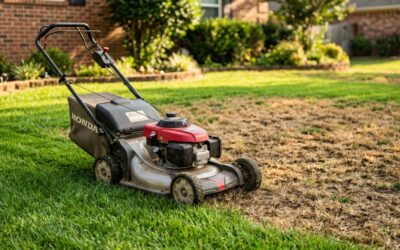
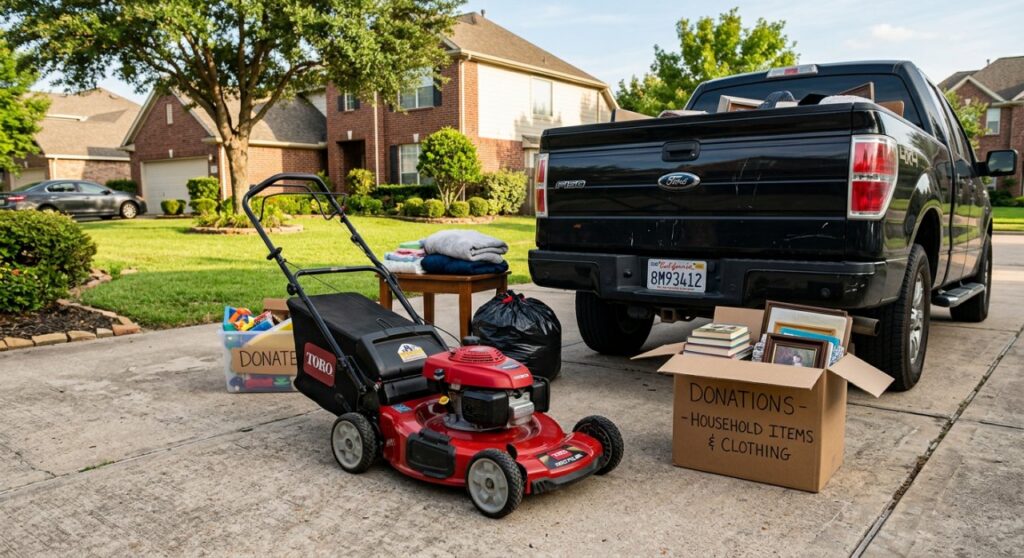
Habitat for Humanity ReStores generally do not accept lawn mowers as a standard donation category. Most ReStore locations focus on building materials, furniture, and appliances. However, policies vary by location — some individual ReStores may accept working outdoor power equipment. Always call your local ReStore before loading up the truck.
Expert Summary
- Habitat for Humanity ReStores are independently operated, meaning donation policies differ significantly by location — there is no single national rule on lawn mowers.
- Most ReStores prioritize building materials, appliances, cabinets, doors, and furniture over outdoor power equipment like lawn mowers.
- A working, well-maintained lawn mower may be accepted at select ReStore locations, especially those with outdoor or tool sections.
- Riding lawn mowers have a higher chance of acceptance than push mowers due to resale value.
- If your local Habitat ReStore declines, three strong alternatives — Goodwill, local nonprofits, and Freecycle — will typically take working lawn mowers.
Step 1: Understand What Habitat for Humanity ReStore Actually Accepts
ReStores are retail outlets, not general donation centers. They sell donated goods to fund Habitat’s homebuilding mission, so they only take items with reliable resale value.
Core Accepted Categories at Most ReStores
| Category | Typical Acceptance | Notes |
|---|---|---|
| Building materials (lumber, flooring) | ✅ High | New or gently used |
| Kitchen/bath cabinets | ✅ High | Must be complete sets |
| Appliances (washers, dryers, fridges) | ✅ High | Must be functional |
| Furniture | ✅ Moderate | No heavy staining/damage |
| Doors and windows | ✅ High | Must be intact |
| Lawn mowers (push) | ⚠️ Location-dependent | Call first |
| Lawn mowers (riding) | ⚠️ Location-dependent | Higher resale = better odds |
| Clothing, food, personal items | ❌ Declined | Not within ReStore scope |
| Mattresses | ❌ Declined | Health/safety regulations |
Why this matters: Showing up without calling wastes your time and creates logistical headaches for the ReStore staff.
Step 2: Find and Contact Your Local Habitat ReStore
Each ReStore sets its own donation policy, so the national website cannot give you a definitive answer on lawn mowers.
How to Find Your Nearest ReStore
- Go to habitat.org/restores
- Enter your ZIP code or city
- Note the phone number and hours for your closest location
- Check if the location has a dedicated donations page — some list accepted items explicitly
What to Ask When You Call
Be specific. Vague questions get vague answers.
- “Do you currently accept push lawn mowers / riding lawn mowers?”
- “Does the mower need to be in running condition?”
- “Do you pick up large items, or is drop-off only?”
- “Are there any fees for donation drop-off?”
Pro tip: Call during mid-week mornings. ReStore staff are less busy Tuesday–Thursday before noon and will give you a more thorough answer than a rushed Saturday call.
Step 3: Assess the Condition of Your Lawn Mower
ReStores only accept donations they can realistically sell. A mower in poor condition will be declined even at locations that normally take them.
Minimum Condition Standards (What ReStores Typically Require)
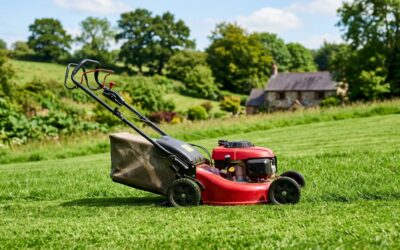
- Push mowers: Engine must start and run. Blade should not be cracked. Deck should be intact without major rust-through.
- Riding mowers: Must be operational. Seat, steering, and cutting deck all functional. Battery holding charge.
- Self-propelled mowers: Drive system must engage properly.
Quick Pre-Donation Checklist
- [ ] Engine starts on first or second pull (or key turn for riding)
- [ ] No active fuel or oil leaks
- [ ] Blade is intact (not cracked or missing)
- [ ] Grass bag/chute present if originally equipped
- [ ] Fresh fuel added if stored for over 3 months
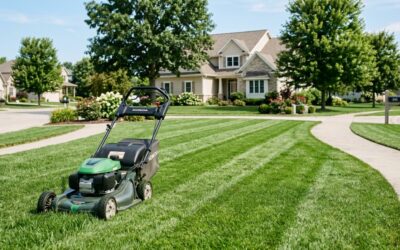
- [ ] Exterior wiped down — first impressions affect perceived value
If the mower won’t start: Do not attempt to donate it to ReStore. It will be declined. Jump to Step 6 for alternatives.
Step 4: Prepare Your Lawn Mower for Donation
A clean, documented donation is more likely to be accepted and commands a better resale price, which means more funding for Habitat’s mission.
Preparation Steps
- Drain or stabilize the fuel — Many donation centers require fuel-stabilized or drained tanks for fire safety during transport and storage.
- Change the oil if it’s visibly dark or hasn’t been changed recently. A $5 oil change signals the mower was maintained.
- Sharpen or replace the blade if dull. This is optional but increases resale value.
- Clean the deck with a scraper and hose. Remove dried grass clippings — they trap moisture and mask rust.
- Gather documentation — Owner’s manual, any receipts for recent repairs, or model/serial number written on a slip of paper.
- Photograph the mower before donating. This protects you for tax documentation purposes.
Tools Needed for Preparation
| Tool/Material | Purpose |
|---|---|
| Fuel stabilizer (e.g., Sta-Bil) | Prevents fuel degradation during storage/transport |
| Oil drain pan + correct oil weight | Fresh oil change |
| Blade balancer + file or replacement blade | Blade sharpening |
| Wire brush + deck scraper | Deck cleaning |
| Garden hose | Final rinse |
| Smartphone camera | Tax receipt documentation |
Step 5: Request a Donation Receipt for Tax Purposes
Donating a lawn mower to a qualifying nonprofit may be tax-deductible. Habitat for Humanity is a registered 501(c)(3) organization.
How to Value Your Donation
The IRS requires you to determine fair market value — what the item would sell for between a willing buyer and seller.
- Check eBay completed listings for the same mower model and condition
- Check Facebook Marketplace in your metro area
- Craigslist sold listings for comparable equipment
A used push mower in good condition typically ranges $50–$150. A riding mower ranges $200–$800+ depending on brand and age.
Getting the Receipt
- Ask the ReStore staff for a dated donation receipt at drop-off
- The receipt should list the organization name, date, and description (not the dollar value — that’s your responsibility to document)
- Keep the receipt with your tax records for the year of donation
Important: For donated property valued over $500, you need IRS Form 8283. Over $5,000 requires a qualified appraisal. Consult a tax professional if your mower falls into the higher bracket.
Step 6: What to Do If Your ReStore Declines the Lawn Mower
Most people hit a “no” and stop there — that’s a mistake. Working lawn mowers are in high demand through several other channels.
Alternative Donation Channels for Lawn Mowers
| Organization | Best For | Notes |
|---|---|---|
| Goodwill | Push mowers in good condition | Policies vary by region — call ahead |
| The Salvation Army | Working push/riding mowers | May offer free pickup for riding mowers |
| Local tool libraries | Any working mower | Growing network in urban areas |
| Community gardens | Push or riding mowers | Always need equipment |
| Freecycle.org | Quick rehoming, any condition | Free, no vetting, fast turnaround |
| Facebook Marketplace (free listings) | Fast disposal, any condition | List as “free — must pick up” |
| Nextdoor | Neighborhood rehoming | High trust, local pickup |
| Boys & Girls Club / youth programs | Working mowers | Some programs teach small engine repair |
| Veterans organizations | Riding mowers especially | Some orgs help vets maintain properties |
If the Mower Doesn’t Run
A non-running mower still has value:
- Vocational/trade schools — Small engine repair classes need project mowers
- Community college automotive/small engine programs — Same use case
- Scrap metal yards — Pays by weight, typically $10–$30 for a push mower
- Facebook Marketplace “as-is” — Hobbyists and fixers will take it
Step 7: Schedule Drop-Off or Pickup
ReStores that accept lawn mowers typically prefer drop-off, but some offer pickup for large or heavy items like riding mowers.
Drop-Off Logistics
- Confirm hours — most ReStores are open Tuesday through Saturday
- Bring a vehicle with a flat bed or trailer for riding mowers
- Push mowers typically fit in a pickup truck or large SUV
- Arrive with the tailgate down and ask for help unloading — staff usually assist
Requesting a Pickup
- Available at select ReStores, primarily for large items or bulk donations
- Most locations require at least 48–72 hours advance scheduling
- Some charge a small pickup fee for outlying areas
- A riding mower donation alongside cabinets, appliances, or building materials increases the chance of a scheduled pickup
Pro Tips From Experienced Donors
Timing your donation can make a real difference in whether it gets accepted and how it’s priced.
- Donate in spring or early summer. Lawn mowers sell best March–June. ReStores are more likely to accept them when seasonal demand is high.
- Bundle the donation. If you’re also clearing out cabinets, a vanity, or tools, mention the full donation package when calling. A higher-value combined donation is harder to turn down.
- Ask about the tax deduction before arriving. If the ReStore tells you they can’t issue a receipt for certain items, factor that into your decision.
- Document with video. A short phone video of the mower running is stronger tax documentation than a photo alone.
- Be honest about condition. Misrepresenting a non-running mower as functional damages your credibility and wastes everyone’s time.
Common Mistakes to Avoid
These mistakes are the most common reasons donations get rejected or create problems later.
- ❌ Calling the national Habitat hotline for local policy. National staff cannot confirm what individual ReStores accept. Call the location directly.
- ❌ Showing up without calling. ReStores can decline items on the spot. A wasted trip is avoidable.
- ❌ Donating with fuel in the tank without stabilizer. Some locations require drained tanks for storage and insurance reasons.
- ❌ Skipping the tax receipt. You’re leaving money on the table. Always request a receipt at drop-off.
- ❌ Assuming “working condition” means anything that technically moves. A mower that runs but smokes heavily, cuts unevenly, or has a cracked deck may still be declined.
- ❌ Donating right before closing time. Staff are wrapping up; complex donation conversations get short-changed.
Frequently Asked Questions
Does Habitat for Humanity pick up lawn mowers?
Habitat ReStore pickup service is available at some locations for large items, but lawn mowers are not a standard pickup category. Riding mowers may qualify if the location accepts outdoor power equipment. Call your local ReStore to ask specifically — most require advance scheduling of 48–72 hours and may charge a pickup fee.
What condition does a lawn mower need to be in for ReStore to accept it?
The mower must be fully operational. ReStores sell donations at retail, so non-running equipment is typically declined. The engine should start reliably, the blade must be intact, and there should be no active fuel or oil leaks. Clean equipment in documented working condition has the highest acceptance rate.
Is donating a lawn mower to Habitat for Humanity tax-deductible?
Yes, if your local ReStore accepts the mower and issues a donation receipt. Habitat for Humanity is a 501(c)(3) nonprofit. You are responsible for determining fair market value. For donations over $500, IRS Form 8283 is required. Consult a tax advisor for itemized deduction eligibility.
Why don’t most ReStores accept lawn mowers?
Outdoor power equipment requires more storage space, specialized testing, and liability assessment than core ReStore categories like cabinets or appliances. Mowers that don’t sell take up floor space. Locations in suburban or rural areas are more likely to accept them because the customer base includes homeowners who need them.
What should I do with a lawn mower that doesn’t run?
A non-running mower should not be donated to ReStore. Better options include donating to a vocational school small engine class, listing it as free on Freecycle or Facebook Marketplace for parts/repair use, or selling it to a scrap metal yard for its weight value. Don’t let it sit — a non-running mower left in storage continues to degrade in value.
Conclusion
Habitat for Humanity ReStores may or may not accept lawn mowers — it depends entirely on the individual location. The national organization does not set a blanket policy on outdoor power equipment.
Your best path forward is simple: call your local ReStore directly, ask specific questions about condition and logistics, and prepare the mower properly before you go. If they decline, the alternatives — Goodwill, Salvation Army, Freecycle, community organizations, and vocational schools — will find good use for a working machine.
A clean, running mower donated at the right time of year is rarely hard to rehome. The effort you put into preparation directly increases both acceptance rates and the resale value that funds housing for families in need.
Ready to donate? Use [habitat.org/restores](https://www.habitat.org/restores) to find your nearest location and make that call today.