
Does Salvation Army Take Lawn Mowers? The Complete Donation Guide
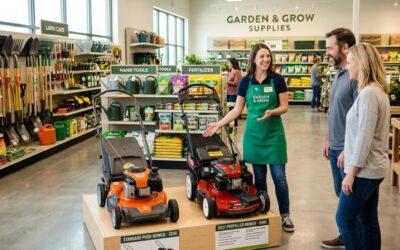
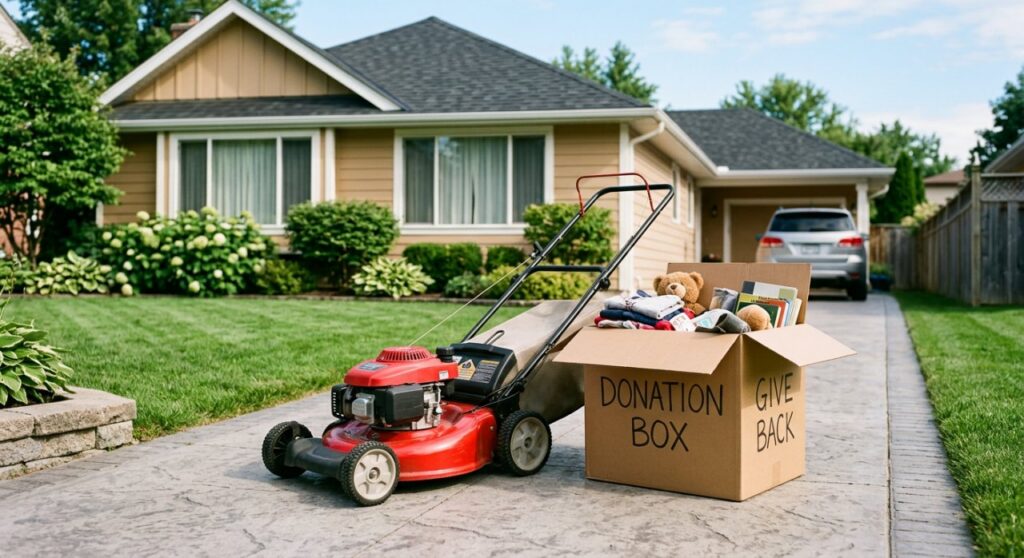
The Salvation Army does accept lawn mowers as donations in many locations, but acceptance depends on the item’s working condition, your local store’s current capacity, and whether they offer free pickup for large equipment. This guide walks you through every step to donate successfully and avoid wasted trips.
Expert Summary
- The Salvation Army accepts working lawn mowers at most Family Stores, but policies vary significantly by location.
- Free furniture pickup is widely advertised, but large outdoor power equipment like lawn mowers may require a separate scheduling call.
- Non-working or broken lawn mowers are typically rejected — Salvation Army resells donated items and cannot repair power equipment.
- Alternatives like DAV (Disabled American Veterans) and Savers have different acceptance policies; DAV generally does not take lawn mowers directly, while Savers focuses on clothing and small household goods.
- Calling ahead saves time — always confirm with your local Salvation Army store before loading equipment into your vehicle.
Step 1: Understand What “Does Salvation Army Take Lawn Mowers” Actually Means
Yes, the Salvation Army can take lawn mowers — but not unconditionally. Before you load anything into your truck, you need to understand exactly what their acceptance criteria look like.
The Salvation Army operates thousands of independently managed Family Stores across the United States. Each store sets its own inventory needs based on local demand, storage space, and current stock levels.
What Types of Lawn Mowers Are Typically Accepted
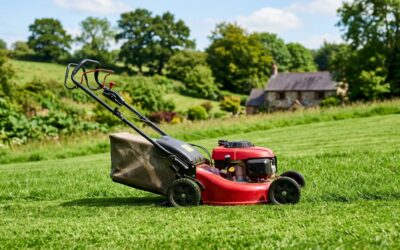
| Lawn Mower Type | Likely Accepted? | Notes |
|---|---|---|
| Push mower (gas, working) | ✅ Yes | Most commonly accepted |
| Electric push mower (working) | ✅ Yes | Must have all parts and cord |
| Battery-powered mower (working) | ✅ Yes | Include charger and battery |
| Riding lawn mower (working) | ⚠️ Sometimes | Call ahead — size is a factor |
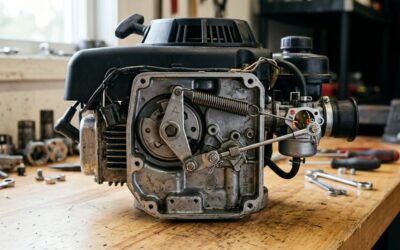
| Broken or non-working mower | ❌ Rarely | Most stores decline these |
| Mower without a blade or key parts | ❌ No | Incomplete items are usually rejected |
The golden rule: the mower must start and run. Salvation Army stores sell donated goods to fund their social services programs. If an item cannot be resold, it creates a cost rather than revenue.
Why Condition Matters More Than You Think
The Salvation Army’s business model depends entirely on reselling donated items. A broken lawn mower requires repair labor, parts sourcing, and storage space — costs the organization cannot absorb at scale.
A mower with a dead battery, a clogged carburetor, or a bent blade will almost certainly be turned away. If your mower needs minor maintenance, consider spending $20–$40 to service it first — it dramatically increases acceptance odds.
Step 2: Check Your Local Salvation Army’s Specific Policy
Call your local store directly before making any trip. This single step eliminates the most common mistake donors make: showing up with a mower and being turned away.
How to Find Your Local Salvation Army Store
- Visit salvationarmyusa.org and use the store locator tool.
- Enter your ZIP code to find the nearest Family Store or donation center.
- Note the phone number — you’ll need it for the next step.
What to Ask When You Call
Use this exact script to get clear answers fast:
- “Do you currently accept gas-powered lawn mowers in working condition?”
- “Do you offer free pickup for large outdoor equipment, or do I need to drop it off?”
- “Is there a specific donation entrance or drop-off time I should know about?”
- “Are there any items you’re currently overstocked on and not accepting?”
Write down the name of the person you speak with and the date. If there’s any confusion at drop-off, this protects you.
Pro Tip: Timing Your Donation
Spring (March through May) is the best time to donate a lawn mower to the Salvation Army. Stores actively seek outdoor equipment as demand rises with the season. Donating in November or December reduces your odds of acceptance — stores are focused on winter goods and holiday inventory.
Step 3: Prepare the Lawn Mower for Donation
A well-prepared mower is far more likely to be accepted — and resold quickly. Preparation takes 30–60 minutes but dramatically improves your donation outcome.
Tools and Materials You’ll Need
| Item | Purpose |
|---|---|
| Garden hose or pressure washer | Clean exterior of mower |
| Rags or old towels | Dry surfaces after cleaning |
| Gas can | Drain or top off fuel |
| Oil drain pan | Change or drain old oil if needed |
| Basic wrench set | Tighten any loose bolts |
| Replacement spark plug ($3–$5) | Optional but improves startability |
| Zip ties or tape | Bundle cords on electric mowers |
| Cardboard or plastic sheet | Protect your vehicle during transport |
Step-by-Step Preparation Checklist
1. Clean the mower thoroughly.
Remove caked grass, mud, and debris from the deck, wheels, and engine area. A clean mower signals to store staff that it has been maintained — increasing trust and acceptance odds.
2. Check and address the fuel situation.
For gas-powered mowers, either drain the fuel completely (preferred for storage and transport safety) or top it off with fresh fuel so staff can test it. Stale fuel left sitting is a red flag.
3. Test the mower yourself.
Start it, let it run for 2–3 minutes, and confirm it operates normally. If it won’t start for you, it won’t start for the donation center staff — and it will be rejected.
4. Check the oil level.
Low or black oil suggests neglect. A quick oil change (cost: ~$5–$8) makes the mower look well-maintained and functional.
5. Sharpen or inspect the blade.
You don’t need a perfect blade, but a visibly bent or missing blade will raise questions. If the blade is intact, leave it. If it’s badly damaged, consider replacing it ($15–$25).
6. Gather all accessories.
Include the grass catcher bag, safety key, owner’s manual, battery, and charger if applicable. Complete items are more valuable and more likely to be accepted.
7. Attach a simple note.
Tape a handwritten or printed note to the handle: “Working condition. Starts on first or second pull. Last serviced [month/year].” This transparency builds trust with staff.
Step 4: Arrange Drop-Off or Pickup
Most Salvation Army locations require you to drop off large items like lawn mowers in person, but free home pickup may be available in your area. Confirm this during your phone call in Step 2.
Option A: Drop-Off at the Store
- Bring the mower to the donation entrance (usually at the rear or side of the store — not the main shopping entrance).
- Arrive during donation acceptance hours, which are often shorter than regular store hours (commonly 9 AM – 4 PM on weekdays).
- Be prepared to unload it yourself or ask a staff member for assistance.
- Request a donation receipt for your tax records — this is important (more on this in Step 6).
Option B: Schedule a Free Pickup
The Salvation Army’s free pickup service is primarily designed for furniture and large household items. Lawn mowers may qualify in some regions, but not all.
To schedule a pickup:
- Call your local store or visit satruck.org (Salvation Army Pickup).
- Describe the item — type of mower, working condition, dimensions.
- Confirm whether they accept outdoor power equipment for pickup in your area.
- Schedule a pickup window (usually a 2–4 hour window on a weekday).
Warning: If the pickup crew arrives and the mower doesn’t meet their standards, they may decline to take it on the spot. Always be honest about condition when scheduling.
Step 5: Consider Alternatives If the Salvation Army Declines
If your local Salvation Army won’t take the lawn mower, several strong alternatives exist. Don’t let a rejection mean the mower ends up in a landfill.
Does Savers Take Lawn Mowers?
No — Savers (also known as Value Village) does not accept lawn mowers. Savers is a for-profit thrift chain that focuses almost exclusively on clothing, shoes, books, and small household goods. They do not have the infrastructure to accept, store, or resell large outdoor power equipment.
If you’re asking “does Savers take lawn mowers” — the answer is a firm no. Direct your mower donation elsewhere.
Does the DAV Accept Lawn Mowers?
DAV (Disabled American Veterans) donation programs typically do not accept lawn mowers. DAV pickup services are run through partnerships with thrift retailers and focus on clothing and small household items that can be quickly sorted and resold.
If you’re wondering “does the DAV accept lawn mowers” — contact your local DAV chapter directly, as some regional programs may differ, but the national standard is no.
Full Comparison: Where to Donate a Lawn Mower
| Organization | Accepts Lawn Mowers? | Pickup Available? | Best For |
|---|---|---|---|
| Salvation Army | ✅ Yes (working only) | ⚠️ Sometimes | Working mowers in good condition |
| Habitat for Humanity ReStore | ✅ Yes (often) | ⚠️ Sometimes | Tools and home improvement items |
| Local tool libraries | ✅ Yes | ❌ Usually no | Community sharing programs |
| Savers / Value Village | ❌ No | ❌ No | Clothing and small goods only |
| DAV | ❌ Rarely | ❌ No | Clothing and household goods |
| Facebook Marketplace (free) | ✅ Yes | ❌ No | Quick local transfer, no paperwork |
| Freecycle / Nextdoor | ✅ Yes | ❌ No | Community gifting, fast placement |
| Scrap metal recycler | ✅ Yes (broken ok) | ❌ Usually no | Non-working mowers |
| Local small engine repair shop | ⚠️ Sometimes | ❌ No | Shops may accept for parts/resale |
Habitat for Humanity ReStore: The Best Alternative
Habitat for Humanity ReStore locations are often the most reliable alternative for donating working lawn mowers and outdoor power equipment. ReStores accept tools, building materials, and outdoor equipment to fund affordable housing projects.
Find your nearest ReStore at habitat.org/restores. Call ahead — the same working-condition rule applies.
Step 6: Claim Your Tax Deduction Correctly
A donated lawn mower is tax-deductible if given to a qualified 501(c)(3) organization like the Salvation Army. This step is often overlooked and can save you real money.
How to Value Your Donated Lawn Mower
The IRS requires you to use fair market value — what the item would sell for in its current condition between a willing buyer and seller.
Practical valuation benchmarks for 2026:
| Mower Type | Fair Market Value Range |
|---|---|
| Basic push mower (gas, working) | $25 – $75 |
| Self-propelled push mower (working) | $50 – $150 |
| Battery-powered mower (working, with battery) | $75 – $200 |
| Riding lawn mower (working) | $150 – $500+ |
For donations valued over $500, you must complete IRS Form 8283 and attach it to your tax return. For donations over $5,000, a qualified appraisal is required.
Getting Your Receipt
- Always ask for a written donation receipt at the time of drop-off.
- The Salvation Army is a registered 501(c)(3) nonprofit — their EIN is widely available for tax records.
- Keep the receipt with your tax documents for at least 3 years.
Pro Tip: Take photos of the mower before donation. If the IRS questions the deduction, photos with a timestamp serve as supporting evidence of condition and fair market value.
Step 7: Confirm the Donation Is Processed
Follow up if you scheduled a pickup and haven’t heard back within 48 hours. Logistics delays happen, and a quick call prevents your mower from sitting uncollected.
Final Checklist Before You’re Done
- [ ] Called local store and confirmed acceptance
- [ ] Mower is clean, working, and complete with accessories
- [ ] Drop-off time confirmed OR pickup scheduled
- [ ] Donation receipt obtained and filed
- [ ] Photos taken for tax records
- [ ] IRS Form 8283 noted if donation value exceeds $500
Pro Tips From Experienced Donors
Donate in spring, not fall. Outdoor equipment moves fastest in March–May. Stores are more likely to accept it, and it sells faster — meaning your donation creates more funding for Salvation Army programs.
Don’t donate what you wouldn’t buy. If you’d walk past it at a garage sale, the Salvation Army staff will too. A mower that won’t start, leaks oil, or has a destroyed deck is not a donation — it’s a disposal problem transferred to a nonprofit.
Call two locations. If one store is overstocked or doesn’t accept mowers, a nearby store might. The Salvation Army’s store network is large, and policies differ even within the same city.
Electric and battery mowers are gaining acceptance. As battery-powered outdoor tools become mainstream, more Salvation Army stores are actively seeking them. A working EGO, Greenworks, or Ryobi battery mower with its battery and charger is a highly desirable donation in 2026.
Small engine shops may pay you. Before donating a working riding mower, check Facebook Marketplace or call a local small engine shop. A working riding mower worth $300–$500 in fair market value might fetch $100–$200 in cash — more valuable than a tax deduction for many donors.
Common Mistakes to Avoid
❌ Showing up without calling first. This is the #1 wasted trip. Policies change weekly based on inventory. Always call.
❌ Donating a non-working mower. The Salvation Army is not a disposal service. Broken mowers are declined and create work for staff who then must arrange proper disposal.
❌ Forgetting to get a receipt. A $150 riding mower deduction at a 22% tax bracket saves you $33. That’s real money — don’t leave it behind.
❌ Assuming pickup is automatic. Free pickup is not guaranteed for outdoor power equipment. Never assume — confirm explicitly during your call.
❌ Donating incomplete equipment. A mower without its battery, charger, grass bag, or safety key is significantly less valuable. Gather all parts before donating.
❌ Donating at the wrong time of year. A mower donated in December may sit in storage for months or be declined entirely. Seasonal timing matters.
Frequently Asked Questions
Does the Salvation Army take lawn mowers in all states?
The Salvation Army accepts lawn mowers at many locations across the U.S., but acceptance is not guaranteed in all states or cities. Each Family Store operates independently and sets its own inventory policies. Always call your specific local store to confirm before making a trip. The national policy permits acceptance of working outdoor power equipment, but local store managers have final discretion.
Will the Salvation Army take lawn mowers and snow blowers?
Yes, the Salvation Army will take lawn mowers and snow blowers in many locations — provided both items are in working condition. Snow blowers are subject to the same rules: they must start, run properly, and be complete with all parts. Donate snow blowers in late summer or early fall when stores are preparing for winter inventory demand, and donate mowers in early spring.
Does the Salvation Army pick up lawn mowers for free?
Free pickup for lawn mowers is available in some Salvation Army service areas but is not a universal offering. The Salvation Army’s free pickup program (schedulable at satruck.org) primarily covers furniture and large household items. Call your local store or use the online scheduler to confirm whether outdoor power equipment qualifies for pickup in your ZIP code.
What happens to donated lawn mowers at the Salvation Army?
Donated lawn mowers are inspected, priced, and placed on the sales floor at Salvation Army Family Stores, where proceeds fund social services programs. These programs include emergency shelters, disaster relief, rehabilitation centers, and community food assistance. When you donate a working mower, you’re directly funding these services — not just clearing out your garage.
Does the Salvation Army take riding lawn mowers?
Riding lawn mowers are accepted at some Salvation Army locations, but they require advance confirmation due to their size and storage requirements. A working riding mower in good condition is a high-value donation — often priced at $150–$400 in the store. However, not every location has space for large equipment. Call ahead, describe the mower’s make, model, and condition, and ask specifically about riding mower acceptance.
Conclusion: Your Lawn Mower Donation Action Plan
The Salvation Army does take lawn mowers — but only working ones, and only after you confirm with your local store. The entire process takes less than two hours when done right, and it puts money into programs that help people in your community.
Here’s your fast-action summary:
- Call your local Salvation Army store and confirm they accept working lawn mowers.
- Clean and test your mower — it must start and run reliably.
- Gather all accessories — battery, charger, bag, key, manual.
- Drop off in spring for the best acceptance odds.
- Get a written receipt and document fair market value for your tax deduction.
- If declined, try Habitat for Humanity ReStore — the strongest alternative for outdoor equipment.
A working lawn mower is too valuable to send to a landfill. Whether it ends up at the Salvation Army, a ReStore, or a neighbor’s garage through Freecycle, the right donation takes 30 minutes of preparation and one phone call.
Start with that call today.