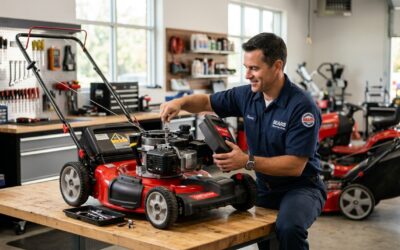

Quick Answer / TL;DR: Yes—Columbia lawn mowers are a solid choice for homeowners who want dependable MTD-family engineering, familiar engine options, and dealer-level service support. They perform well on small to mid-sized properties when priced competitively against Cub Cadet, Troy-Bilt, or Husqvarna. Judge each model on its engine, transmission, and deck—not the badge alone.

What You Need

Before you decide whether a Columbia mower is right for your property, gather the following so you can compare models accurately and verify local support:

  • Your property specs: lawn square footage, slopes, obstacles, and gate widths (for walk-behinds).
  • Model documentation: the exact Columbia model number, engine brand (Briggs & Stratton, Kawasaki, or Honda), and transmission type.
  • Dealer information: the location and hours of your nearest authorized Columbia dealer—this is critical for warranty and parts.
  • Comparison pricing: quotes for comparable Cub Cadet, Troy-Bilt, Husqvalna, or John Deere machines in the same deck size class.
  • Basic inspection tools: a tire pressure gauge, deck-leveling ruler, and work gloves if evaluating a used unit.

Background worth knowing: Columbia is associated with MTD Products, the manufacturer acquired by Stanley Black & Decker. Columbia machines often share components, engineering, and platform characteristics with other MTD-family equipment—a major advantage for parts availability. The lineup has historically included walk-behind mowers, lawn tractors, and zero-turns, though availability varies by market and dealer.

Step-by-Step Guide: Evaluating Whether a Columbia Mower Is Right for You

Step 1: Match the Mower Class to Your Property

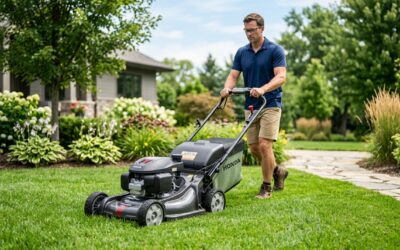
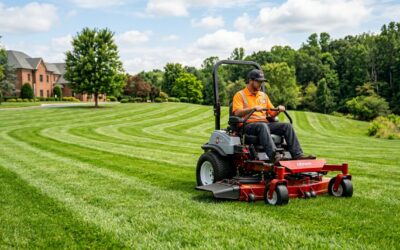
Choose the right category first. Columbia’s lineup spans walk-behinds (under ½ acre), lawn tractors (½–2 acres), and zero-turns (1+ acres with obstacles). A 42″ stamped-deck tractor is ideal for flat suburban lawns; anything rougher or larger deserves a fabricated deck or zero-turn platform.

💡 Pro Tip: If your lot is under ¼ acre with tight turns, a walk-behind will outperform a tractor on both cut quality and maneuverability—and cost less to maintain.

Step 2: Vet the Engine and Transmission—Not the Brand

Identify the specific engine model and transmission type. Columbia machines commonly use Briggs & Stratton or Kawasaki engines and either hydrostatic or gear-drive transmissions. A Kawasaki engine with a hydrostatic transmission will outlast a budget Briggs/gear-drive combo, even within the same brand. Compare these specs against competing models before comparing prices.

⚠️ Warning: Never buy on brand name alone. Two mowers with identical badges can share almost no components. A well-equipped Columbia beats a stripped-down competitor every time—the reverse is also true.

Step 3: Confirm Local Dealer and Parts Support

Columbia sells primarily through authorized dealers, so support quality varies by region. Call your local dealer and ask three questions: Can they service the model in-season? Do they stock common wear parts (blades, belts, spindles)? What is the actual warranty turnaround time? Because Columbia shares MTD-family components, parts availability is often better than the brand’s size suggests.

💡 Pro Tip: A mower is only as good as the nearest place that can fix it. If your closest dealer is 45+ minutes away or has poor reviews, factor that into your decision—it matters more than a $100 price difference.

Step 4: Inspect the Deck Construction and Warranty Terms

Columbia decks in this price class are typically stamped steel—lighter and rust-resistant but less durable under commercial-style abuse than fabricated decks. Check the deck gauge (thickness), confirm the warranty length on both the machine and the engine, and ask whether the warranty is handled by the dealer or the manufacturer. A Columbia is most compelling when its dealer support, warranty terms, and delivered price beat comparable Cub Cadet, Troy-Bilt, Husqvarna, or John Deere options.

⚠️ Warning: Stamped decks dent easily on rocky or uneven terrain. If your lawn has exposed roots, stones, or ruts, budget for a fabricated deck or inspect the deck yearly for damage.

Step 5: Test Before You Commit

If buying in person, ask for a demonstration or at minimum check: tire pressure, blade engagement, deck-level side to side, and ease of height adjustment. For used units, pull the spark plug and check for oil fouling, and verify the deck spindles have no play.

New to mower maintenance entirely? Our guide on whether mulching mowers are a good idea explains the cut-quality trade-offs, and more resources live in our how-to guides.

Common Mistakes & Troubleshooting

  • Buying on brand name alone. Columbia’s value is model-specific. Always compare the engine model, transmission, deck construction, cutting width, and warranty against direct competitors before committing.
  • Ignoring dealer proximity. The most common regret among dealer-brand buyers. If service requires shipping a unit or a long drive, routine maintenance (blade sharpening, belt replacement) becomes a chore and warranty claims stall.
  • Overbuying deck size. A 54″ deck on a fenced ½-acre lot wastes fuel and time maneuvering. Match the cutting width to gate widths and obstacle density, not just acreage.
  • Assuming parts won’t exist. Buyers sometimes avoid MTD-family brands fearing orphaned parts. Because Columbia shares platforms with MTD equipment, blades, belts, and spindles are widely cross-compatible—but verify part numbers with your dealer first.
  • Skipping the warranty fine print. Some Columbia warranty terms are dealer-administered, not manufacturer-administered. Ask who processes claims and what voids coverage (aftermarket blades and non-dealer service are common exclusions).

When to Replace / Gear Consideration

If your current mower needs a new engine, transmission, or deck shell, replacement almost always beats repair—those three repairs together routinely exceed 60% of a new unit’s price. If replacement parts or upgrades are on your shopping list, browse compatible options below:

Frequently Asked Questions

Who actually makes Columbia lawn mowers?

Columbia is associated with MTD Products, which was acquired by Stanley Black & Decker. Columbia machines frequently share engineering, components, and platforms with other MTD-family brands, which is why parts availability tends to be strong despite the brand’s smaller dealer footprint.

Are Columbia lawn mowers reliable long-term?

Reliability depends far more on the engine, transmission, and maintenance habits than the Columbia badge. Models with Kawasaki or higher-tier Briggs & Stratton engines and hydrostatic transmissions routinely last 10+ years with annual oil changes, blade sharpening, and belt inspection. Budget-tier gear-drive models have shorter service lives under heavy use.

Is a Columbia mower better than Cub Cadet or Troy-Bilt?

Often they’re closer than buyers expect, since all share MTD-family engineering. Columbia wins when your local dealer offers better service, stronger warranty handling, or a lower delivered price than the competing brands. Compare the specific engine model, transmission, deck gauge, and warranty terms side by side—the better machine, not the better badge, wins.

Are stamped decks a dealbreaker?

Not for most homeowners. Stamped steel decks are lighter, resist rust well, and cut cleanly on maintained lawns. They dent more easily than fabricated decks on rocky terrain, so inspect the deck annually if your property is rough or you strike obstacles regularly.

Where can I buy parts for a Columbia mower?

Through authorized Columbia dealers first—they can confirm part numbers against your model and serial number. Because Columbia shares components with MTD-family equipment, many blades, belts, spindles, and filters cross-fit other brands, which widens your sourcing options considerably.

What size Columbia mower do I need for 1 acre?

For 1 acre of relatively open ground, a 42″–46″ lawn tractor is the sweet spot. If the acre includes trees, beds, or tight obstacles, a zero-turn will cut your mowing time significantly. A walk-behind only makes sense below roughly ½ acre.