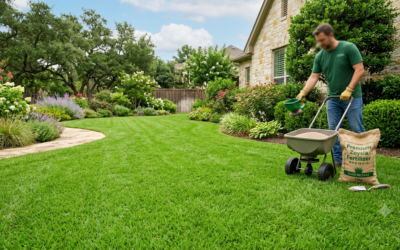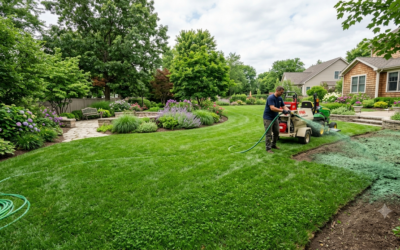

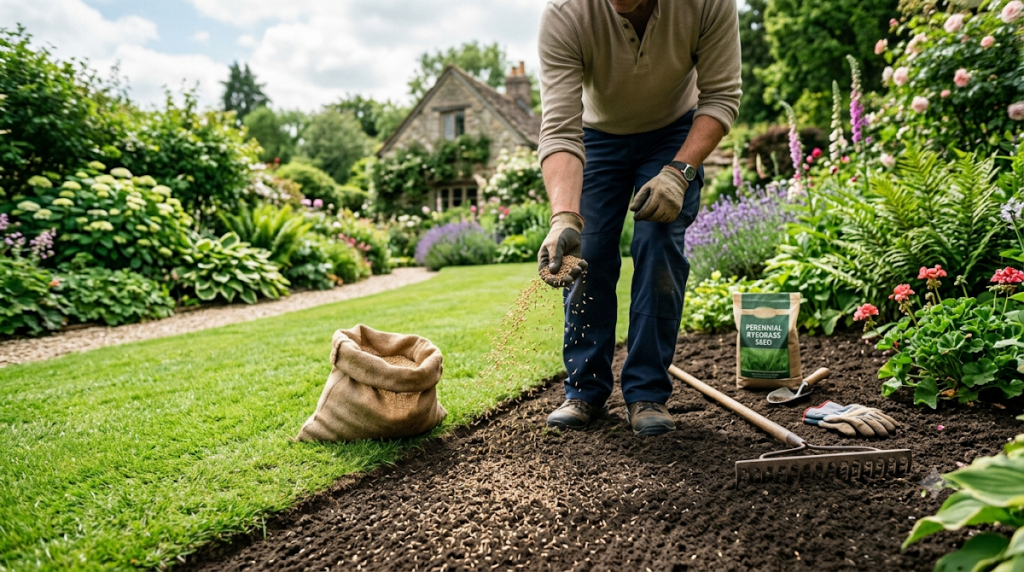
Quick Answer: Plant perennial ryegrass seed when soil temperatures are between 50\u00b0F and 65\u00b0F, typically in early fall or early spring. Use a high-quality cultivar, apply 6 to 8 seeds per square inch, and keep the top inch of soil consistently moist for 10 to 14 days. Mow when blades reach 3.5 inches, maintaining a height of 2 to 3 inches for a dense, traffic-tolerant lawn.
Perennial ryegrass (Lolium perenne) is the sprinter of the cool-season grass world. It germinates faster than any other common lawn grass, often showing green shoots in just five to seven days. This rapid establishment, combined with its fine texture and high tolerance for foot traffic, makes it a top choice for home lawns, athletic fields, and erosion control. However, its success hinges on precise timing, proper seeding techniques, and consistent care. This guide provides the exact metrics and step-by-step procedures you need to establish a thick, healthy perennial ryegrass lawn from seed.
Perennial Ryegrass at a Glance (Compared to Annual Ryegrass Seed)
| Characteristic | Detail |
|---|---|
| Botanical Name | Lolium perenne |
| Climate Preference | Cool-season; thrives in USDA zones 3\u20137 |
| Optimal Soil Temperature for Germination | 50\u00b0F \u2013 65\u00b0F (10\u00b0C \u2013 18\u00b0C) |
| Germination Time | 5 \u2013 10 days |
| Recommended Mowing Height | 2 \u2013 3 inches |
| Water Requirement | 1 \u2013 1.5 inches per week |
| Shade Tolerance | Moderate (up to 40% shade) |
| Drought Tolerance | Low; may go dormant in summer heat |
| Foot Traffic Tolerance | High |
Choosing the Right Perennial Ryegrass Seed
Not all perennial ryegrass seed is the same. Cultivars are bred for specific traits like disease resistance, color, and growth habit. For a home lawn, look for a blend of at least two to three top-rated cultivars from the National Turfgrass Evaluation Program (NTEP) trials. This genetic diversity improves overall lawn health and resilience.
Key Seed Metrics:
- Purity: Should be 98% or higher.
- Germination Rate: Look for 85% or better.
- Weed Seed Content: Should be 0.0% or as close to zero as possible.
- Seeding Rate: For a new lawn, apply 6 to 8 pounds of seed per 1,000 square feet. For overseeding an existing lawn, reduce to 3 to 4 pounds per 1,000 square feet.
When to Plant Perennial Ryegrass Seed
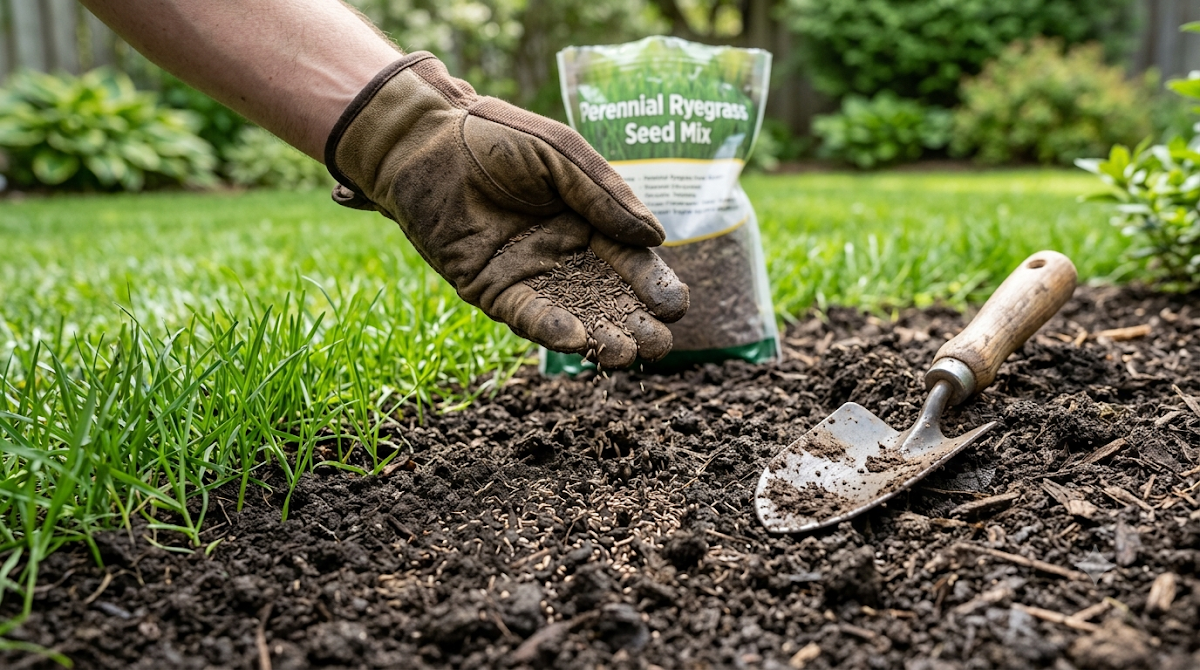
Timing is critical. Planting outside the optimal window leads to poor germination, increased disease pressure, and wasted seed.
| Season | Best For | Considerations |
|---|---|---|
| Fall (Ideal) | New lawns, overseeding, renovations | Soil is warm, air is cooling, weed competition is low. Allow 4-6 weeks before first hard frost. |
| Spring | New lawns, filling bare spots | Soil must be workable and consistently above 50\u00b0F. Competes with summer annual weeds. |
| Late Summer / Early Fall | Overseeding warm-season lawns for winter color (South) | Time seeding 30-45 days before your average first frost date. |
Step-by-Step Guide to Planting Perennial Ryegrass Seed
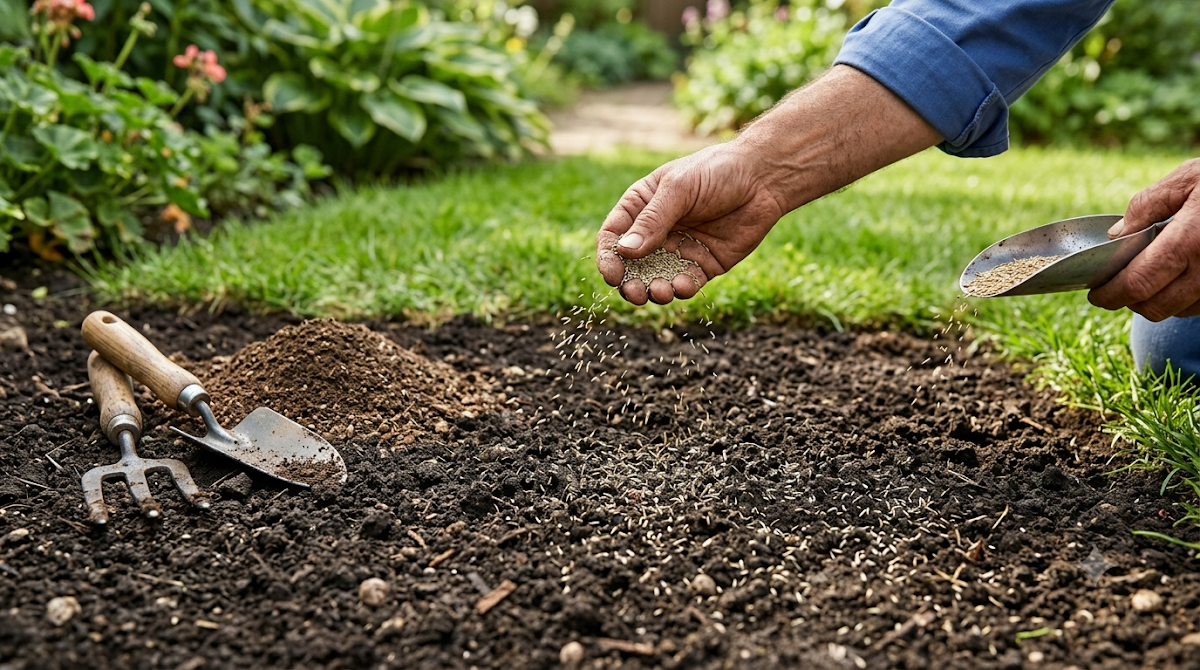
Follow these steps precisely for maximum germination and establishment.
Step 1: Soil Preparation (7-10 Days Before Seeding)
A smooth, firm seedbed is non-negotiable. Perennial ryegrass seed must make good soil contact to germinate.
- Clear the Area: Remove all debris, rocks, and existing vegetation.
- Test Your Soil: Send a sample to your local extension service. Perennial ryegrass thrives in a soil pH of 5.8 to 6.5. Amend with lime or sulfur as recommended.
- Till and Rake: Loosen the top 2 to 3 inches of soil. Rake the area to create a smooth, level surface with no clumps larger than a marble.
- Roll or Tamp: Firm the soil with a lawn roller or the back of a rake. The surface should be firm but not compacted.
Step 2: Seeding (Day 0)
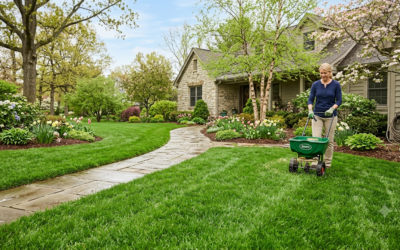
Use a broadcast spreader for even coverage. Apply half the seed in one direction (north-south) and the other half in a perpendicular direction (east-west). This eliminates striping.
Post-Seeding Contact: After spreading, lightly rake the seed into the top \u00bc inch of soil. Then, roll the area again with a lawn roller filled one-third full with water. This step presses the seed into the soil, dramatically improving germination rates.
Step 3: Initial Watering (Days 1-14)
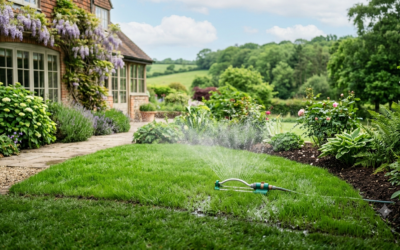
The goal is to keep the top 1 inch of soil consistently moist, but not waterlogged. This typically requires light watering two to three times per day for 5 to 10 minutes each session.
Germination Check: You should see the first green shoots within 5 to 7 days. Full germination for perennial ryegrass occurs in 10 to 14 days. If you don’t see growth by day 10, check soil moisture and temperature.
Step 4: Transition to Deep Watering (Day 14+)
Once the seedlings are about 1 inch tall and have been mowed once, transition to deeper, less frequent watering. This encourages deep root growth. Apply \u00bd inch of water twice per week, for a total of 1 inch per week. Water early in the morning to minimize evaporation and disease.
First Mow and Ongoing Care
The first mow is a critical milestone. Mowing too early can uproot delicate seedlings; mowing too late can weaken the grass.
| Care Task | Timing / Metric | Expert Tip |
|---|---|---|
| First Mow | When grass blades reach 3.5 inches tall (typically 21-28 days after seeding). | Use a sharp mower blade. Dull blades tear grass, causing browning and disease entry points. Never remove more than \u2153 of the blade height at once. |
| Mowing Height | 2 to 3 inches. | Taller mowing (3 inches) promotes deeper roots and shades out weeds. Shorter mowing (2 inches) gives a manicured look but requires more water. |
| Fertilization | Apply a starter fertilizer (high in phosphorus) at seeding. Follow with a balanced NPK fertilizer 6-8 weeks after germination. | Follow soil test recommendations. Over-fertilizing with nitrogen causes rapid, weak growth and increases disease risk. |
| Weed Control | Wait until after the third mow (about 8-10 weeks) before applying any herbicides. | Hand-pull any weeds that appear during the establishment phase. Pre-emergent herbicides will prevent grass seed from germinating. |
Troubleshooting Common Establishment Problems
Problem: Poor or Patchy Germination
- Cause: Seed was planted too deep, soil was too dry or too wet, or soil temperature was below 50\u00b0F.
- Fix: Rake the bare spots lightly to improve seed-to-soil contact and re-seed. Ensure consistent moisture.
Problem: Seedlings Turned Brown After Mowing
- Cause: Mowed too early, with a dull blade, or removed more than \u2153 of the blade.
- Fix: The grass will likely recover. Ensure your mower blade is sharp and follow the \u2153 rule strictly going forward.
Problem: Fungal Disease (e.g., Pythium Blight)
- Cause: Overwatering, poor drainage, and warm, humid conditions.
- Fix: Reduce watering frequency. Improve air circulation. In severe cases, a fungicide may be necessary.
Frequently Asked Questions (FAQ)
1. Can I plant perennial ryegrass seed in the summer?
It is not recommended. High soil temperatures (above 85\u00b0F) can inhibit germination, and the intense heat and water demands make establishment very difficult. The seedlings are also highly susceptible to disease in hot, humid weather. Stick to fall or early spring.
2. How long does it take for perennial ryegrass to fully establish?
While you’ll see germination in 5-10 days, the lawn is not considered fully established until it has developed a dense root system, which takes about 6 to 8 weeks. During this time, avoid heavy foot traffic and continue to mow and water appropriately.
3. Should I use a starter fertilizer when planting perennial ryegrass seed?
Yes. A starter fertilizer contains a higher percentage of phosphorus (the middle number in N-P-K), which is essential for strong root development in young seedlings. Apply it according to package directions at the time of seeding.
4. My perennial ryegrass lawn looks brown in the summer. Is it dead?
Probably not. Perennial ryegrass is a cool-season grass that often goes dormant during periods of high heat and drought, turning a brownish or straw color. It will green up again when temperatures cool and moisture returns in the fall. Consistent watering (1.5 inches per week) can help it stay green longer. For related insights, see our detailed guide on How Long Does Bark Mulch Last? Lifespan Guide.