
Best Ways to Get Free Lawn Mowers in 2026
Free lawn mowers are more accessible than most people think. From government assistance programs to Facebook Marketplace giveaways, there are at least 9 proven methods to score a working mower — or get one repaired for nothing — without spending a dime.
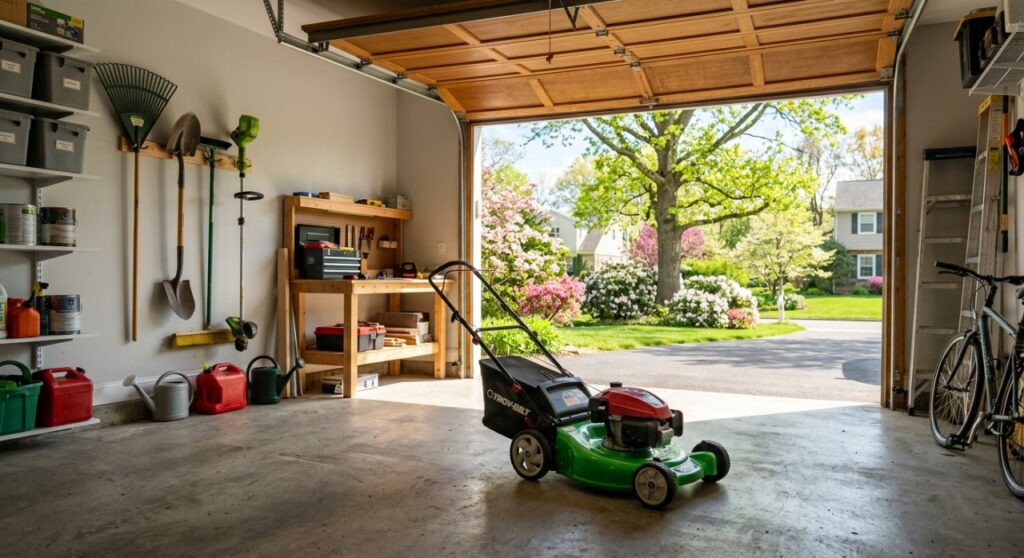
Whether your mower just died, you’re on a tight budget, or you simply refuse to overpay for yard equipment, this guide ranks every realistic option by ease, reliability, and who it works best for.
Quick Answer: Top Pick for Getting a Free Lawn Mower
Best Overall Method: Facebook Marketplace & Nextdoor “Free” Listings
This is the fastest, most reliable method for most people. Neighbors routinely give away functional or lightly broken mowers when they upgrade. Search “free lawn mower” under the Free section of Facebook Marketplace and filter by distance under 10 miles. Refresh daily — good listings move within hours.
Comparison Table: All Methods at a Glance
| Method | Speed | Effort Required | Condition of Mower | Best For | Reliability |
|---|---|---|---|---|---|
| Facebook Marketplace Free | Very Fast (1–3 days) | Low | Variable (often working) | Most people | ⭐⭐⭐ |
| Nextdoor App | Fast (2–5 days) | Low | Usually good | Homeowners in suburbs | ⭐⭐ |
| Frecycle / Buy Nothing Groups | Moderate (1–2 weeks) | Low–Medium | Good | Patient searchers | ⭐⭐⭐ |
| Craigslist Free Section | Fast (1–3 days) | Low | Mixed | Rural/suburban users | ⭐⭐ |
| Municipal Assistance Programs | Slow (weeks–months) | High | New or refurbished | Low-income households | ⭐⭐ |
| Habitat for Humanity ReStore | Moderate | Medium | Refurbished | DIYers, budget buyers | ⭐⭐ |
| Repair Cafés & Tool Libraries | Fast (same day) | Low | Loaner/borrowed | One-time or seasonal use | ⭐⭐ |
| Lawn Care Company Discards | Slow | High | Worn but functional | Mechanically inclined | ⭐⭐ |
| Estate Sales & Curb Alerts | Unpredictable | Medium | Often great | Opportunistic shopers | ⭐⭐ |
| Utility & Nonprofit Grants | Very Slow (months) | Very High | New | Qualifying low-income | ⭐ |
Facebook Marketplace Free Section — Best Overall
The single best way to get a free lawn mower in 2026 is the Facebook Marketplace Free tab. People list working mowers here constantly, especially in spring and fall when neighbors upgrade or downsize.
- Best For: Anyone with a smartphone and patience to check daily
- How to use it: Go to Facebook Marketplace → click “Free” category → type “lawn mower” → filter within 10–15 miles
Pros:
- Completely free, no account fees
- Listings update in real time
- Many mowers are fully functional — owners just don’t want to move them
- Direct messaging makes pickup coordination fast
Cons:
- High competition — good listings disappear within hours
- No quality guarantee; condition varies wildly
- Requires Facebook account
Main Trade-off: Speed vs. selectivity. You may need to move fast on a listing that isn’t perfect.
Verdict: This is the go-to starting point for everyone. If you check it every morning for a week, your odds of finding a working free mower are genuinely high. Skip this only if you have zero social media access.
Nextdoor App — Best for Suburban Homeowners
Nextdoor is often more reliable than Facebook for free lawn equipment because listings come from verified neighbors within your exact zip code. Trust is higher, communication is smother, and neighbors tend to care about who gets their stuff.
- Best For: Homeowners in established suburban neighborhoods
Pros:
- Hyper-local — listings are within walking or short driving distance
- Verified real-name profiles reduce no-show rates
- Neighbors often include maintenance history
Cons:
- Smaller inventory than Facebook in rural or low-density areas
- Requires address verification to join
Main Trade-off: Better quality and trust in exchange for fewer listings.
Verdict: If you live in a suburb with active neighbors, Nextdoor is your best bet for a mower in good condition. Urban apartment dwellers will find fewer options here.
Buy Nothing Groups & Freecycle — Best for Patient Searchers
Buy Nothing Project groups (run on Facebook) and Freecycle.org operate as zero-transaction gift economies — everything is free, no bartering, no payments. Lawn mowers appear regularly, especially in spring.
- Best For: People willing to wait1–3 weeks for the right listing
Pros:
- Community-based vetting means higher trust
- Mowers are often well-maintained by careful owners
- You can post a “wanted” request — community members will reach out to you
Cons:
- Slower than Marketplace
- Some groups have long waitlists or membership rules
- Availability depends heavily on local group size
Main Trade-off: Better mower quality and community goodwill, but no instant results.
Verdict: Post a “seeking” request in your local Buy Nothing group today — it costs nothing and often yields surprising results within days. Great for anyone not in a rush.
Craigslist Free Section — Best for Rural Users
Craigslist’s free section remains one of the highest-volume sources for free outdoor equipment, especially in rural and semi-rural areas where people have large properties and frequently upgrade riding mowers.
- Best For: Rural homeowners, people comfortable with Craigslist’s interface
Pros:
- No account required to browse
- High volume of listings in suburban and rural markets
- Riding mowers appear here more often than on other platforms
Cons:
- More spam and scam listings than Facebook
- Interface is outdated and harder to filter
- Fewer listings in dense urban areas
Main Trade-off: Higher inventory but lower trust and more competition from flippers.
Verdict: Always cross-check Craigslist alongside Facebook Marketplace. It’s especially worth it if you’re looking for a riding mower — those show up here more than anywhere else.
Municipal & Nonprofit Lawn Care Assistance Programs — Best for Low-Income Households
Many cities, counties, and nonprofits run programs that provide free lawn mowers or free lawn mowing services to qualifying low-income households, seniors, and disabled residents. These programs are underutilized because they’re poorly advertised.
- Best For: Seniors, disabled homeowners, households below a certain income threshold
How to find them:
- Search “[your city/county] + lawn mower assistance program”
- Contact your local Community Action Agency (find yours at communityactionpartnership.com)
- Call211 (US social services helpline) and ask specifically about lawn care or yard assistance
Pros:
- May provide a new or refurbished mower at no cost
- Some programs include free labor (they mow for you)
- Sustainable, recurring assistance in some cities
Cons:
- Income and residency requirements are strict
- Waitlists can stretch weeks or months
- Availability varies enormously by location
Main Trade-off: Free, high-quality equipment, but only accessible to qualifying applicants with patience for bureaucratic processes.
Verdict: If you qualify, this is one of the best sources for a reliable free mower. The application effort is worth it. Not suitable for people who need a mower this week.
Habitat for Humanity ReStore — Best Budget-to-Free Option
Habitat for Humanity ReStores accept donated lawn equipment and often sell it for $5–$30, but many locations will give it away free to households demonstrating financial need, or run periodic free giveaway events.
- Best For: People open to spending a few dollars if fully free isn’t available
Pros:
- Equipment is usually cleaned and lightly tested before sale
- Proceeds support Habitat’s housing mission
- Some locations allow price negotiation or have “free days”
Cons:
- Not always free — varies by location policy
- Inventory is unpredictable; not every ReStore carries mowers
- Hours and availability vary by city
Main Trade-off: Slight cost possible, but higher quality assurance than pure giveaway listings.
Verdict: Call your local ReStore before visiting. Ask specifically about lawn mower donations and whether they have any free-to-claim items. Worth a10-minute call.
Tool Libraries & Repair Cafés — Best for Occasional Use
If you only need a mower a few times a year, a local tool library is the smartest free solution — borrow, use, return. No storage, no maintenance cost, no repair bills.
- Best For: Renters, people with small yards, seasonal users
How to find them:
- Search “tool library [your city]”
- Check localtools.org for a US-wide directory
- Community centers, libraries, and makerspaces often host them
Pros:
- Zero ownership cost — borrow for free or for a small annual membership fee
- Equipment is maintained by the library
- Repair Cafés will fix a broken mower you bring in, free of charge
Cons:
- You don’t own the mower
- Reservation waitlists during peak season (May–September)
- Not available in all communities
Main Trade-off: Maximum savings, zero asset ownership. Perfect for low-frequency users.
Verdict: If you mow fewer than 10 times per year, tool libraries and repair cafés beat buying entirely. This is the financially sharpest option for renters and small-lot homeowners.
Lawn Care Companies & Landscapers — Best for Mechanically Inclined
Professional lawn care companies retire high-hour commercial mowers regularly, and many will hand them off for free rather than pay disposal fees. These machines are worn but often repairable.
- Best For: DIYers and mechanics comfortable with basic small-engine repair
How to approach it:
- Identify local landscaping companies on Google Maps or Yelp
- Call or email directly: “Do you have any retired mowers you’d like removed for free? I’ll haul it away.”
- Offer to pick up at their convenience
Pros:
- Commercial-grade machines with large cutting decks
- Companies are motivated to offload them — you have leverage
- High-hour machines often just need a carburetor clean or blade swap
Cons:
- Requires mechanical ability or willingness to learn
- Parts and repair may cost $30–$80
- Time investment is significant
Main Trade-off: Free acquisition cost, but real repair time and possibly modest parts cost.
Verdict: Best for someone who enjoys tinkering. A commercial mower with500+ hours can run another 300hours with a $40 carburetor kit. Not for people who want plug-and-play.
Curb Alerts & Bulk Trash Days — Best Opportunistic Method
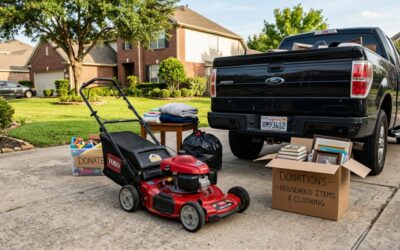
“Curb alert” posts appear constantly on Facebook groups and Nextdoor — someone leaves a mower at the curb and posts the address. Bulk trash pickup days (spring and fall in most US municipalities) are equally productive.
- Best For: Opportunistic shoppers who drive around on trash day
Pros:
- Zero effort required beyond showing up
- Neighbors often leave mowers that simply need a spark plug or air filter
- Completely spontaneous — no competition from formal listings
Cons:
- Unpredictable timing
- No information about what’s wrong with the mower
- Weather exposure reduces quality if not grabbed quickly
Main Trade-off: Near-zero effort, but nearly zero control over condition or timing.
Verdict: Always check your local Facebook “free stuff” groups for curb alerts on Monday and Tuesday after bulk pickup weekends. This is how experienced thrifters score their best finds.
Government Surplus & Municipal Auctions — Best Hidden Gem
City governments and school districts regularly auction off surplus equipment, including lawn mowers, through platforms like GovPlanet, PublicSurplus, and GSA Auctions. While not always free, bids often start under $10and frequently go unchalenged.
- Best For: Patient buyers willing to bid low on government surplus
Pros:
- Government-maintained equipment often has documented service records
- Starting bids can be as low as $1
- Riding mowers and zero-turns appear regularly
Cons:
- Not technically free — you need to bid
- Pickup is usually required in person
- Competition from dealers increases prices on good machines
Main Trade-off: Near-free prices with more reliability than curbside finds.
Verdict: Register on govplanet.com and set up an alert for lawn mowers in your state. If you win a bid under $25for a running mower, you’ve effectively gotten one for free.
Practical Buying Guide: How to Evaluate a Free Lawn Mower
Before you accept or pick up any free mower, run this quick evaluation to avoid hauling home an unfixable machine.
Check These5 Things On-Site
- Spin the blade by hand (with spark plug disconnected). If it spins freely with no grinding, the deck and spindle are likely fine.
- Pull the starter cord. Resistance means compression — a good sign. Zero resistance often means a blown engine.
- Check the oil Pull the dipstick. Milky white oil = coolant contamination. Black sludge = neglect. Clear amber = healthy.
- Look for rust on the deck underside. Surface rust is cosmetic. Deep pitting or holes mean the deck will fail soon.
- Check the air filter. A clogged filter is a $5fix. Ask if the mower ran before it was set aside.
What’s Cheap to Fix vs. What to Walk Away From
| Problem | Typical Repair Cost | Fix It? |
|---|---|---|
| Dirty carburetor | $0–$40 (kit or clean) | Yes |
| Dead spark plug | $3–$8 | Yes |
| Dull blades | $10–$20 | Yes |
| Torn air filter | $5–$15 | Yes |
| Seized engine | $100–$300+ | Usually no |
| Cracked deck | $50–$150 | Depends |
| Transmission failure (riding) | $200–$500 | No — walk away |
| Bent crankshaft | $150–$400 | No |
Rule of thumb: If the engine turns over (even if it won’t start), the mower is worth taking. Most “won’t start” problems cost under $30to fix.
FAQ: Getting a Free Lawn Mower
Q: Can I really get a working lawn mower for free?
Yes. Facebook Marketplace’s Free section, Nextdoor, and Buy Nothing groups produce thousands of free working mower listings every month, particularly in April–May and September–October when homeowners clean out garages.
Q: What’s the best time of year to find a free lawn mower?
Spring (March–May) and fall (September–October) are peak seasons. Spring triggers garage cleanouts before the mowing season; fall prompts disposal of equipment before winter storage.
Q: Are free mowers worth taking if they don’t run?
Often, yes. The most common reasons a mower won’t start — stale fuel, dirty carburetor, dead spark plug — cost under $30 total to fix. A non-running mower is not the same as a broken mower.
Q: Do nonprofits really give away free lawn mowers?
Yes. Community Action Agencies, local churches, and municipal assistance programs in dozens of US cities run verified mower giveaway or lawn care assistance programs. Call211 to find programs in your area.
Q: What if I can’t find a free mower — what’s the cheapest paid alternative?
Facebook Marketplace paid listings routinely feature working push mowers for $20–$50. That’s still dramatically cheaper than a new entry-level mower at $200–$300.
Q: Is it legal to take a lawn mower left at the curb?
In most US municipalities, items placed at the curb for bulk trash pickup are considered abandoned property and are legal to take. When in doubt, knock and ask — most people leaving things at the curb want them taken.
Q: How do I find a tool library near me?
Visit localtools.org or search “[your city] tool library” or “[your city] lending library tools.” Many public libraries and community centers also operate tool lending programs.
Conclusion
Getting a free lawn mower in 2026 is genuinely achievable for most people — it’s not a matter of luck, it’s a matter of knowing where to look and acting quickly when listings appear.
Start with Facebook Marketplace’s Free section and Nextdoor today. If you qualify for assistance, call 211 and ask about municipal programs. If you’re handy, reach out to a local landscaper and offer to haul away their retired equipment.
The best mower is the one that costs you nothing and runs. With the methods in this guide, that’s exactly what’s within reach — often within a week.